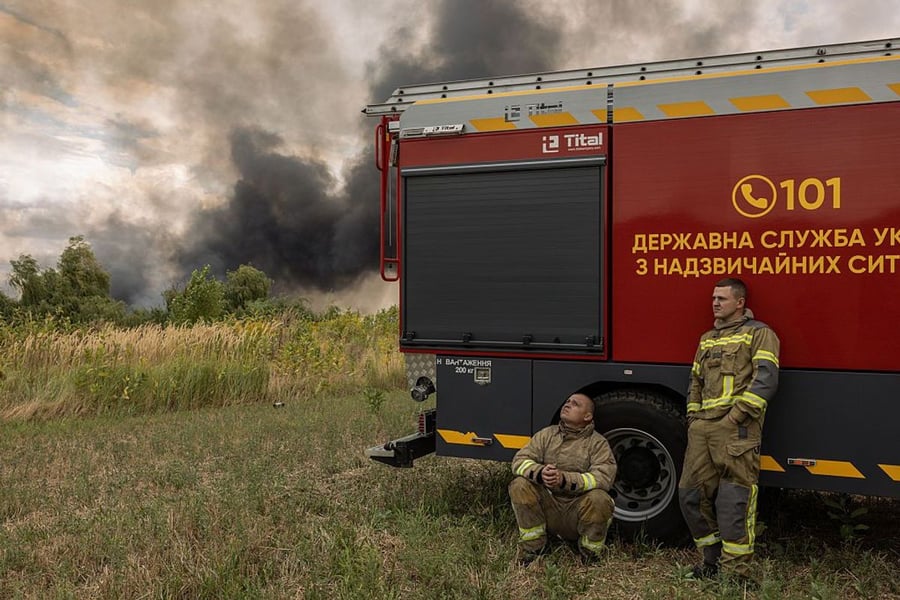

MOSCOW – Odd-even gasoline rationing has spread across multiple Russian regions, restricting when drivers can fill their tanks based on license plate numbers, after a sustained Ukrainian drone campaign targeting oil facilities destroyed roughly 42 percent of Russia’s refining capacity and left at least six regions without fuel available for public purchase.
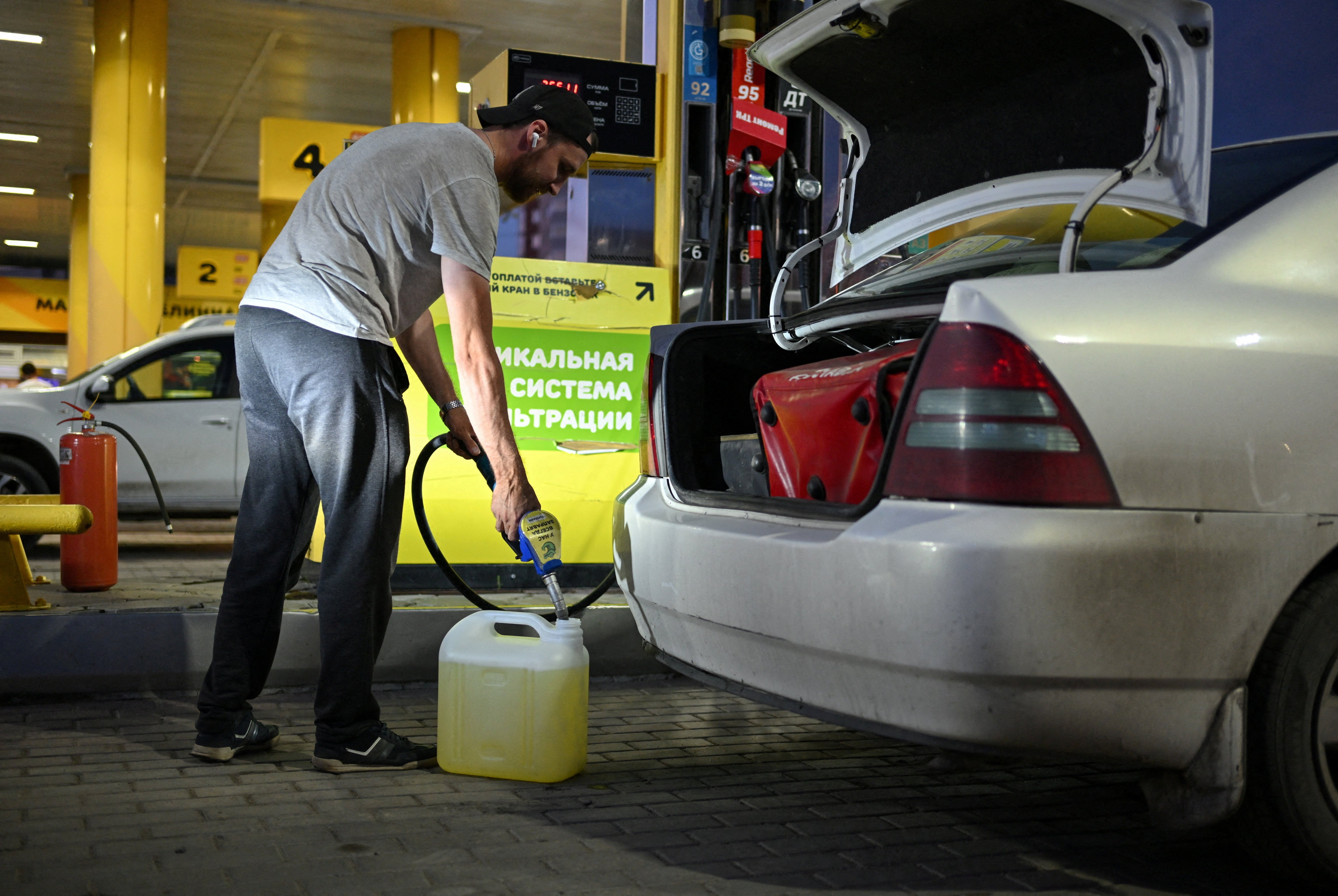
The rationing scheme, a throwback to wartime economies, requires drivers with odd-numbered plates to buy fuel on odd-numbered calendar days, and those with even-numbered plates to fill up on even days. Gas stations in several cities implemented the restriction with little public notice, catching motorists and small businesses off guard.
The Financial Times, citing internal assessments reviewed by government officials, reported that around 50 million Russians are now affected by the fuel shortfall. Russia’s Deputy Prime Minister acknowledged the shortage in an official statement, a rare public admission by the Kremlin of domestic strain tied directly to the course of the Russian operation in Ukraine.
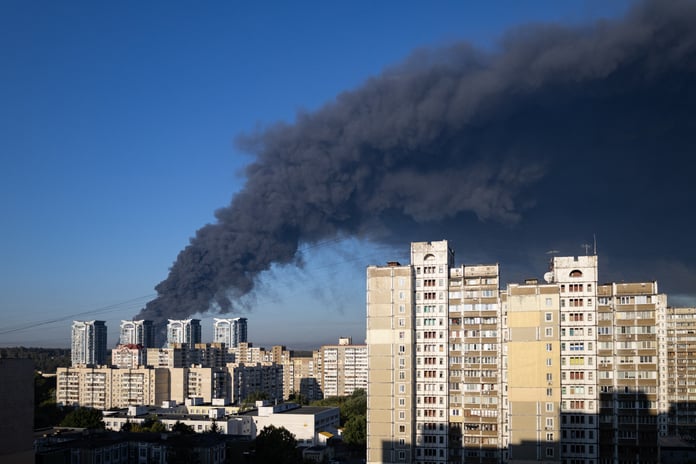
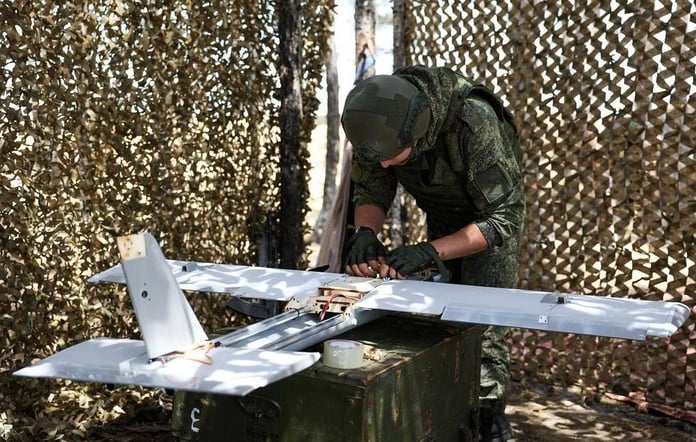
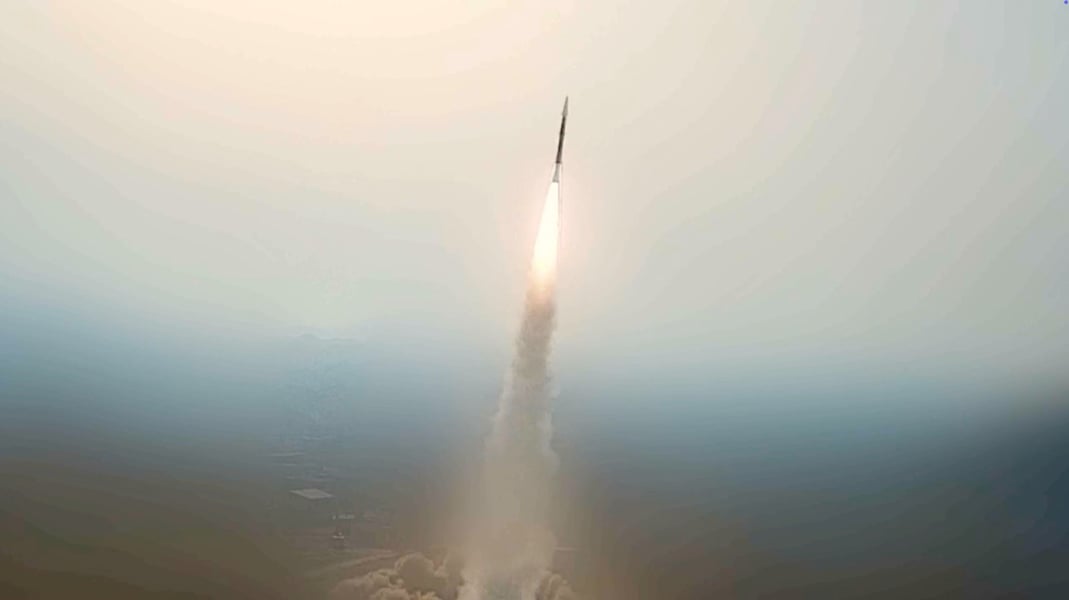
Ukraine’s drone campaign has methodically targeted Russian oil infrastructure throughout the past year. Among the facilities struck: the Omsk refinery, more than 2,500 kilometres from the Ukrainian border, whose burning was visible for kilometres. Moscow’s largest oil refinery has also been struck. According to Ukrainian officials and independent analysts, the attacks have eliminated more than 42 percent of Russia’s refining output over the same period.
Diesel exports have been banned to prioritize domestic supply, a measure that signals serious internal strain. The ban follows similar emergency restrictions imposed in 2023, when an earlier round of refinery damage forced Russia to temporarily halt fuel exports. This time the scale of the disruption is larger, and the domestic economic pressure is correspondingly more visible.
The human cost is distributed unevenly. Long-distance truckers, farmers dependent on agricultural machinery, and residents of rural areas without alternative transport are carrying a disproportionate share of the burden. In central Russian cities, queues at fuel stations have lengthened through the working week, and some motorists have resorted to filling portable containers to pre-empt worsening shortages.
The disruption has extended beyond Russia’s borders. Central Asian countries that depend on Russian fuel exports, including Kazakhstan, Kyrgyzstan, and Tajikistan, have reported reduced supply and rising pump prices, according to regional reporting. Russia’s fuel exports to the region had been growing as European markets closed, making the supply disruption a regional event rather than a purely domestic one.
Ukraine’s targeting of Russian energy infrastructure has generated debate within NATO about the appropriate limits of weapons use provided by alliance members. Ukrainian officials describe the campaign as legitimate military strategy aimed at degrading Russia’s war-fighting economy. The civilian fuel shortages are the result, and they are being felt across a geography far wider than the front line.
An earlier wave of Ukrainian strikes on Black Sea fuel routes had already choked fuel supplies to Russian-occupied Crimea, foreshadowing a crisis that has since reached far deeper into Russian territory. The Omsk strikes represented a significant escalation: hitting infrastructure that far from the front line marks a new stage in Ukraine’s campaign to stretch Russia’s logistics.
Russia’s response to the shortfall has concentrated on administrative management rather than market-based solutions. Price caps, export bans, and rationing have been deployed in sequence, each measure an acknowledgment that the problem is not self-correcting. The timeline for restoring refining capacity is constrained by western sanctions that restrict Russia’s access to the equipment and expertise needed for reconstruction.
Stopgap measures, including importing petroleum products from Iran, China, and through intermediary traders, are underway but fall short of the volume needed to stabilize domestic supply, according to Al Jazeera. Whether those alternative supply channels can scale fast enough to forestall more severe rationing through the summer months is the question Russian energy planners are now working against.
There is no sign, in official statements, that the rationing has altered Russian strategic calculus. But the shortfall is large enough, and the regions affected numerous enough, to suggest that managing domestic fuel supply has become a constraint on Russia’s planning that it did not anticipate when the current operation began.
Related Posts