
WASHINGTON – Indian refineries that spent the last three years reconfiguring their entire supply chains around discounted Russian crude now face an ultimatum from Washington: abandon the arrangement or absorb tariffs that could reach 500 percent of the oil’s value.
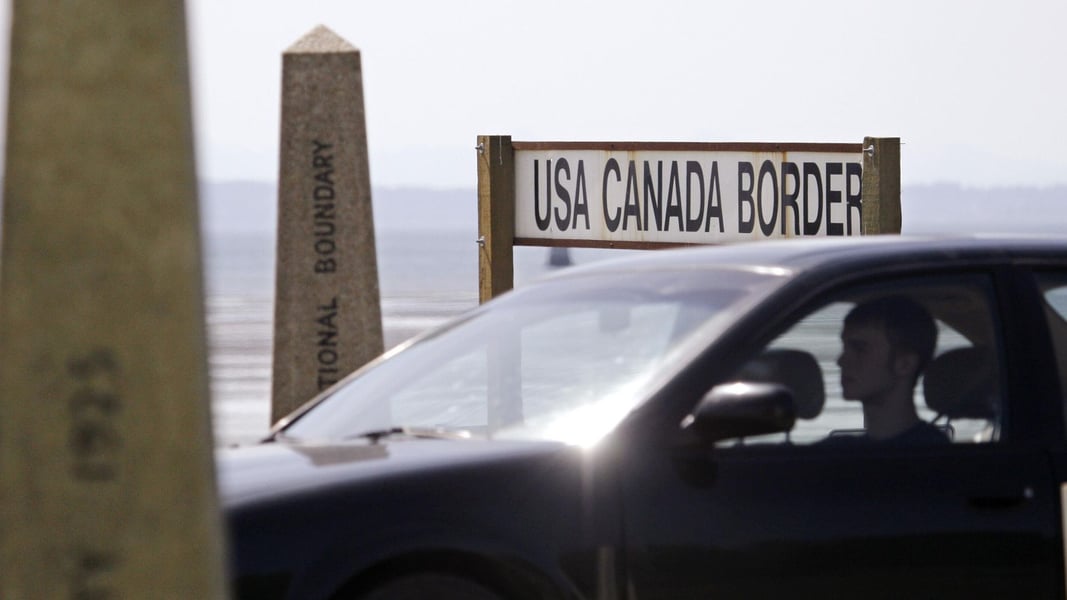
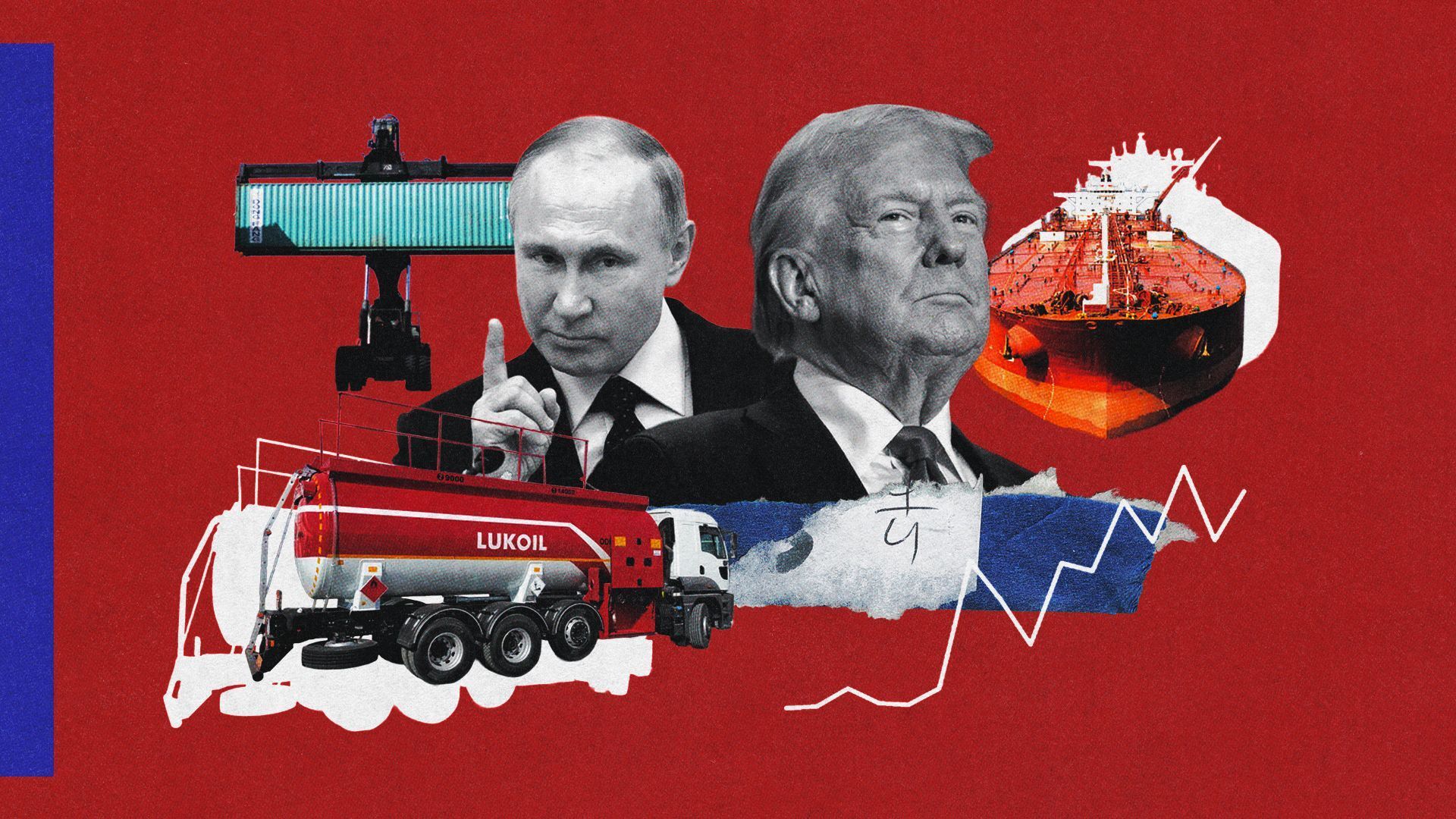
The bill, introduced by Sen. Lindsey Graham following his visit to Kyiv, would impose secondary tariffs of up to 500 percent on any country purchasing Russian petroleum. The White House confirmed Friday that the Trump administration would formally back the legislation, identifying India and China as the two largest buyers of Russian crude and the nations most exposed to its provisions.
The endorsement marks a significant shift. For months, the Trump administration maintained a dual posture of direct negotiations with Moscow while declining to support economic escalation. Senate Majority Leader John Thune was briefed on the White House’s position before the announcement. The Senate returns from recess Monday, giving Graham’s measure a narrow window to advance.
Graham met with Ukrainian President Volodymyr Zelenskyy in Kyiv last week, framing the bill as a mechanism to cut the Kremlin’s war financing without requiring additional U.S. military commitments. On the same day Graham held his Kyiv meetings, Russian forces struck Kyiv with ballistic missiles, wounding ten civilians including a child, underlining the battlefield context the legislation is designed to address.
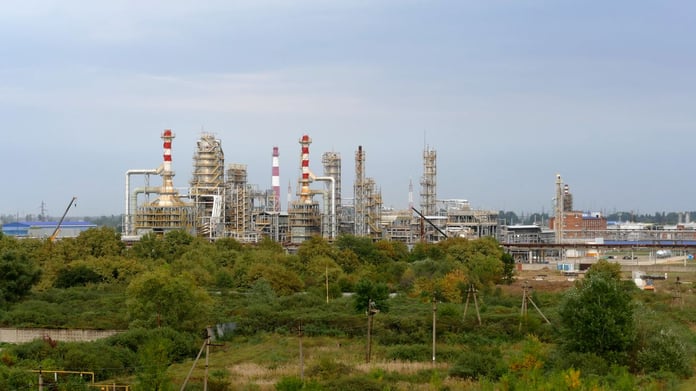
India’s exposure is structural rather than incidental. Since Western sanctions drove European buyers out of the Russian energy market in 2022, Indian state refiners and private processors have built entire procurement, logistics, and pricing systems around Russian crude, which now accounts for more than 40 percent of the country’s total oil imports. The discounts that made Russian crude attractive have also compressed refining margins, making abrupt supply shifts extraordinarily costly.
The domestic pressure is already visible. India has raised fuel prices for the fourth time in 10 days as global energy volatility ripples through retail markets. A forced shift away from Russian crude would intensify those pressures, adding cost layers at every point from tanker procurement to domestic pump prices.
Trump’s handling of Russia has been defined by apparent contradiction: the administration has simultaneously pursued direct negotiations with Putin and backed punitive measures against Russian energy exports. Trump has said he expects to meet Putin in person in the coming weeks. Analysts in Washington see the tariff endorsement as leverage rather than a final position, a signal to Moscow about what economic pressure could look like if talks stall.
China’s exposure, while similarly substantial, operates through a different market structure. Independent “teapot” refineries, concentrated in Shandong province, have been the primary buyers of discounted Russian crude, while major state refiners have partially maintained exposure to global benchmarks. The secondary tariff mechanism targets buyers rather than flag-of-origin entities, meaning Chinese state oil companies that have curtailed Russian imports would face different consequences than the teapot operators who have not.
The bill’s approach differs from previous Western efforts to cap Russian oil revenue through price ceiling enforcement. Earlier measures focused on the shadow fleet of tankers carrying Russian crude outside Western insurance and banking systems. The Graham legislation would instead penalize end buyers, shifting enforcement from the maritime supply chain to the refinery and import ledger.
Russia and India have described their energy relationship as among the most sensitive areas of bilateral cooperation, language Moscow has used to signal the relationship’s importance to the broader strategic partnership. New Delhi has consistently declined to condemn the Russian operation in Ukraine, citing its long-standing policy of strategic autonomy and its historical relationship with Moscow.
CBS News first reported the Trump administration’s decision to back the Graham bill, citing officials familiar with the White House’s posture on the measure.
India has not publicly stated whether it intends to comply with the legislation if it passes, and no Indian government official has addressed the bill directly. Two thresholds remain: whether the Senate advances the measure before the recess window closes, and whether New Delhi would treat the bill as a negotiating signal or a binding constraint. Neither question has a clear answer.
Related Posts