
WASHINGTON – Iran’s leadership privately told members of the Trump administration that it “made a mistake” attacking commercial vessels in the Strait of Hormuz last week, senior U.S. officials said Friday, even as President Trump declared the ceasefire with Tehran “over” and pressed for a public acknowledgment that Tehran has not yet delivered.
The private admission, carried to American negotiators through Qatari intermediaries, had Iran’s envoys characterizing the strikes as the work of errant hardliners within the Revolutionary Guard who attempted to derail the diplomatic process, not an authorized act of state. U.S. officials do not accept that framing. Their assessment is that Tehran miscalculated, believing attacks on commercial vessels in the strait’s southern lane would not trigger the American strikes that followed.
The distinction matters. If Iran’s government authorized the attacks and then disowned them, it concedes a lie. If errant actors truly struck alone, it concedes a loss of control. Neither position is comfortable ground for a government still navigating a succession vacuum following Supreme Leader Khamenei’s death, and both, in Washington’s view, require a public statement that Tehran has not yet made.
Senior U.S. officials described to reporters what they said was Iran’s position when its envoys returned to the table: “We screwed up. We made a mistake. Let’s keep talking.” That summary had not been publicly confirmed by Tehran as of Friday. The Trump administration has made clear that talks will continue but that absent a public concession from Iran, the outcome of those talks is uncertain. One official warned that if a public admission is not Iran’s position, “it’s not going to be a great day for them.”
Saturday’s negotiations in Oman represent the next test of that ultimatum. The talks follow the working-group session in Muscat that Iranian Foreign Minister Abbas Araghchi attended earlier this week, a channel that has kept both sides in contact through the week’s exchanges. Vice President JD Vance, Jared Kushner, and special envoy Steve Witkoff are leading the American side alongside Secretary of State Marco Rubio.
Trump has maintained a deliberate dual posture throughout the crisis: publicly aggressive, privately negotiating. On Truth Social, he declared the ceasefire “OVER,” announcing that Tehran had asked to continue talks and the U.S. had agreed while signaling hardness. “The Islamic Republic of Iran has asked us to continue ‘talks,'” he wrote. “We have agreed to do so, but the United States has stated to them, in no uncertain terms, that the Cease Fire is OVER!” The statement simultaneously telegraphed resolve to domestic audiences and kept the diplomatic channel open.
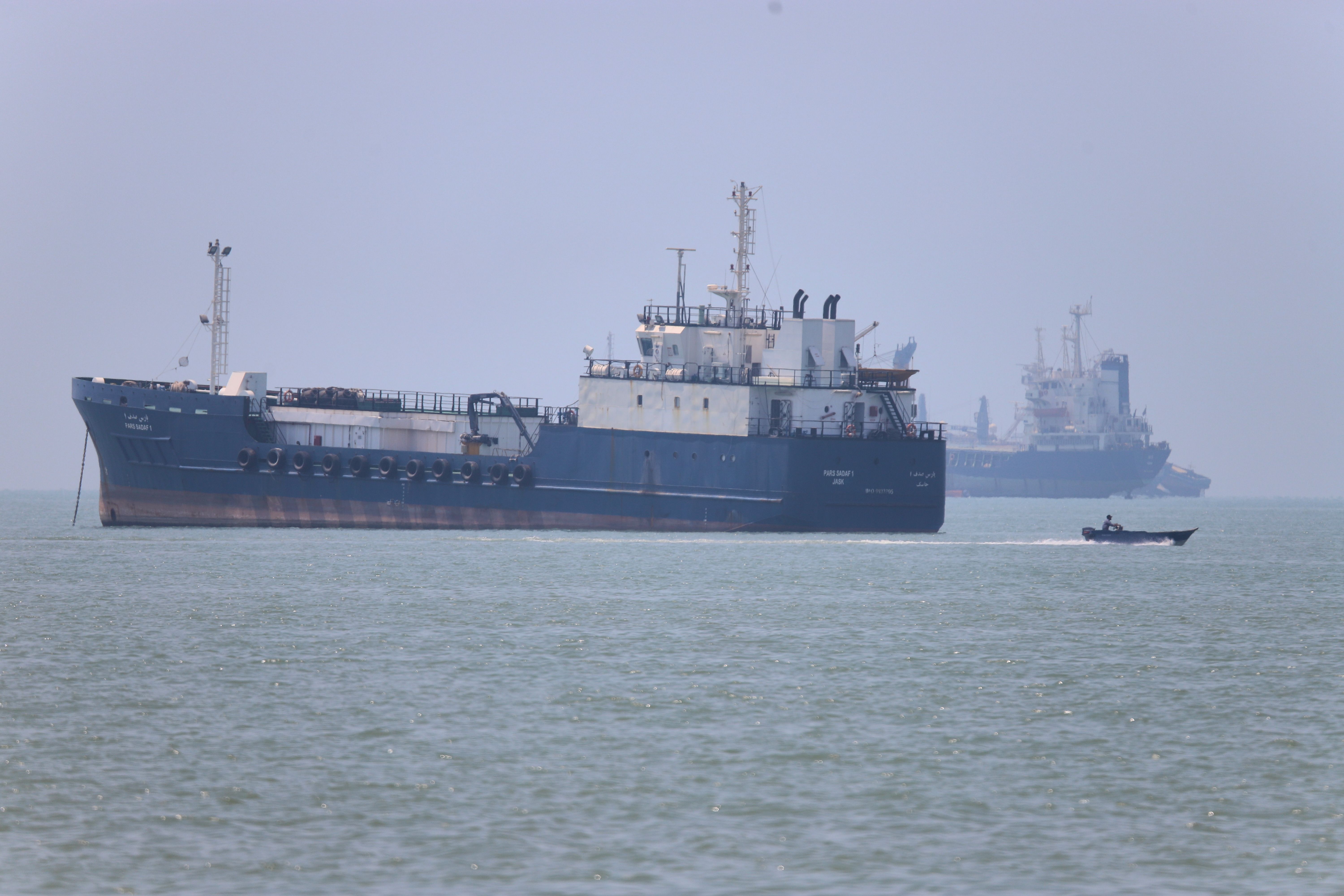
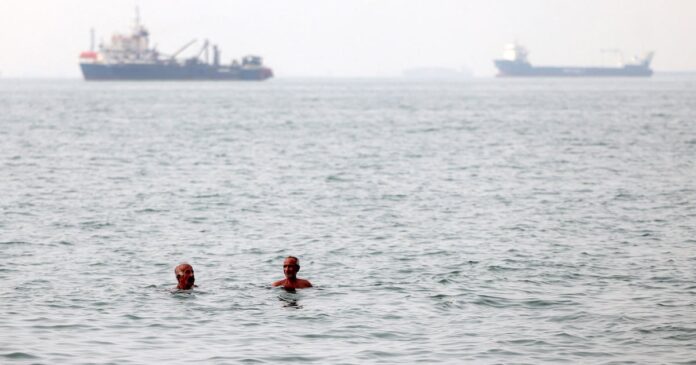
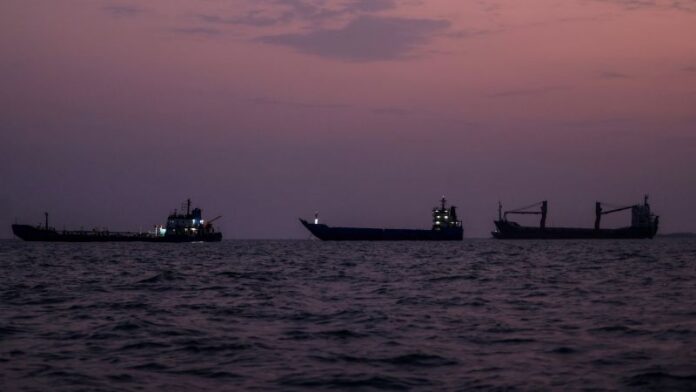
The consequences for global commerce have been immediate. Gas prices in the United States climbed to $3.88 per gallon following the Iranian strikes on commercial vessels. Shipping traffic through the strait fell to historic lows as operators diverted tankers and slowed transits through the southern lane. The Strait of Hormuz handles roughly 20 percent of global oil trade; even a partial disruption registers at fuel pumps within days.
Trump has maintained his most explicit military threat against Iran since the escalation began. At Khamenei’s funeral, crowds in Mashhad hung banners calling for Trump’s death; in response, Trump vowed to completely decimate Iran and declared that a thousand missiles remain locked on Tehran. The language has been read in Gulf capitals as American deterrence and in Tehran as evidence that Washington is not negotiating in good faith.
The nuclear file adds a further layer of leverage. Washington had conditioned progress on Iran’s nuclear program on Tehran’s management of commercial shipping through the strait. The attacks on commercial vessels suspended that track. U.S. officials have indicated that nuclear discussions cannot resume until the Hormuz question is closed, creating a structure in which Iran’s entire nuclear diplomacy is held hostage to a public statement about last week’s strikes.
The CBS News investigation that disclosed Iran’s private admission, citing senior White House officials familiar with the Oman talks track, reported that U.S. officials believe Iran expected commercial shipping attacks to go unanswered. That miscalculation, and the speed with which the U.S. struck back, now defines Tehran’s negotiating position: seeking de-escalation from a position it created.
What is not known is whether Iran’s civilian leadership, navigating a political transition after Khamenei’s death, has the authority or the institutional will to override hardline factions and deliver the public concession Washington is demanding. That question is unlikely to be answered before Oman. It may not be answered in Oman either.
The Strait of Hormuz remained open to commercial traffic as of Friday. The U.S. naval presence deployed to the region in recent weeks has not stood down. The Oman talks will proceed. Whether they produce the public statement the Trump administration is demanding, or simply another round of the private diplomacy that has kept the crisis from becoming a war, is what Saturday is for.