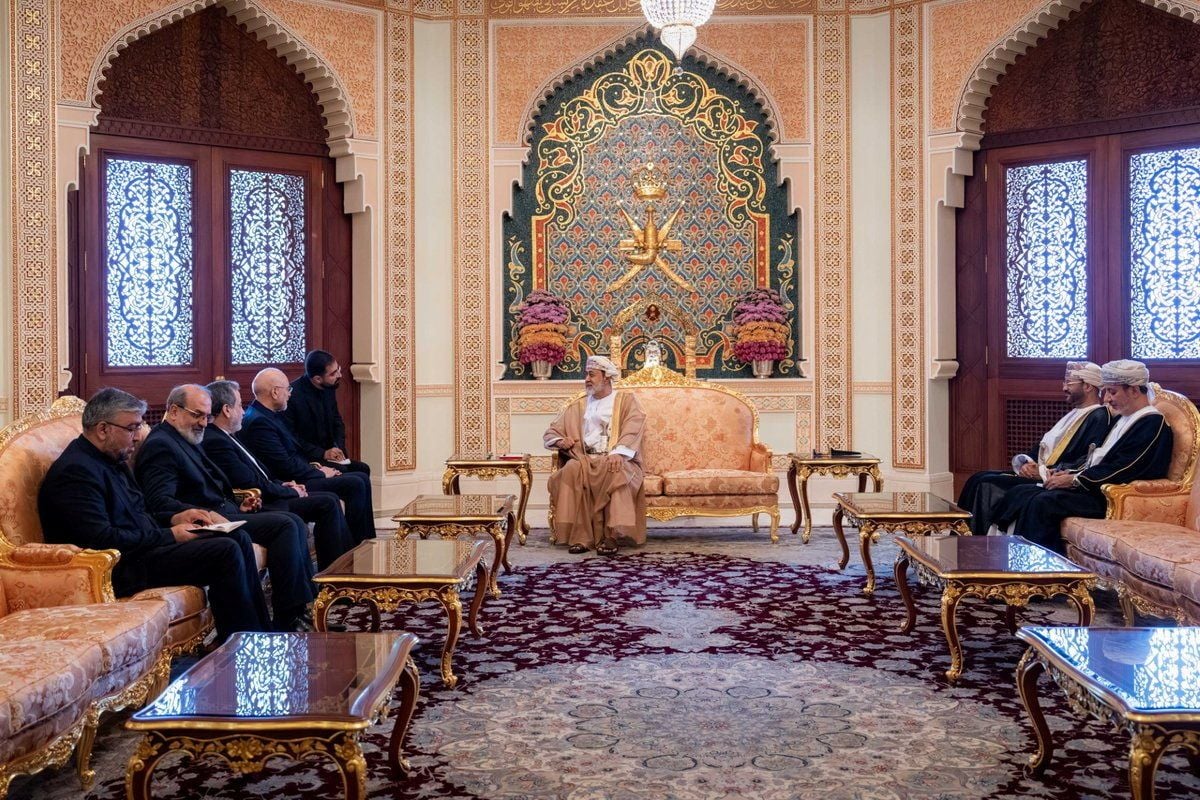

MUSCAT – On Saturday morning, the Iranian foreign minister flew to Oman to negotiate. On the same morning, Donald Trump repeated that the ceasefire was over. And on the same morning, Iranian officials were privately telling Trump’s advisers that they had made a mistake and wanted to keep talking.
All three things were simultaneously true, and that is the shape of the US-Iran conflict as it enters its current phase.
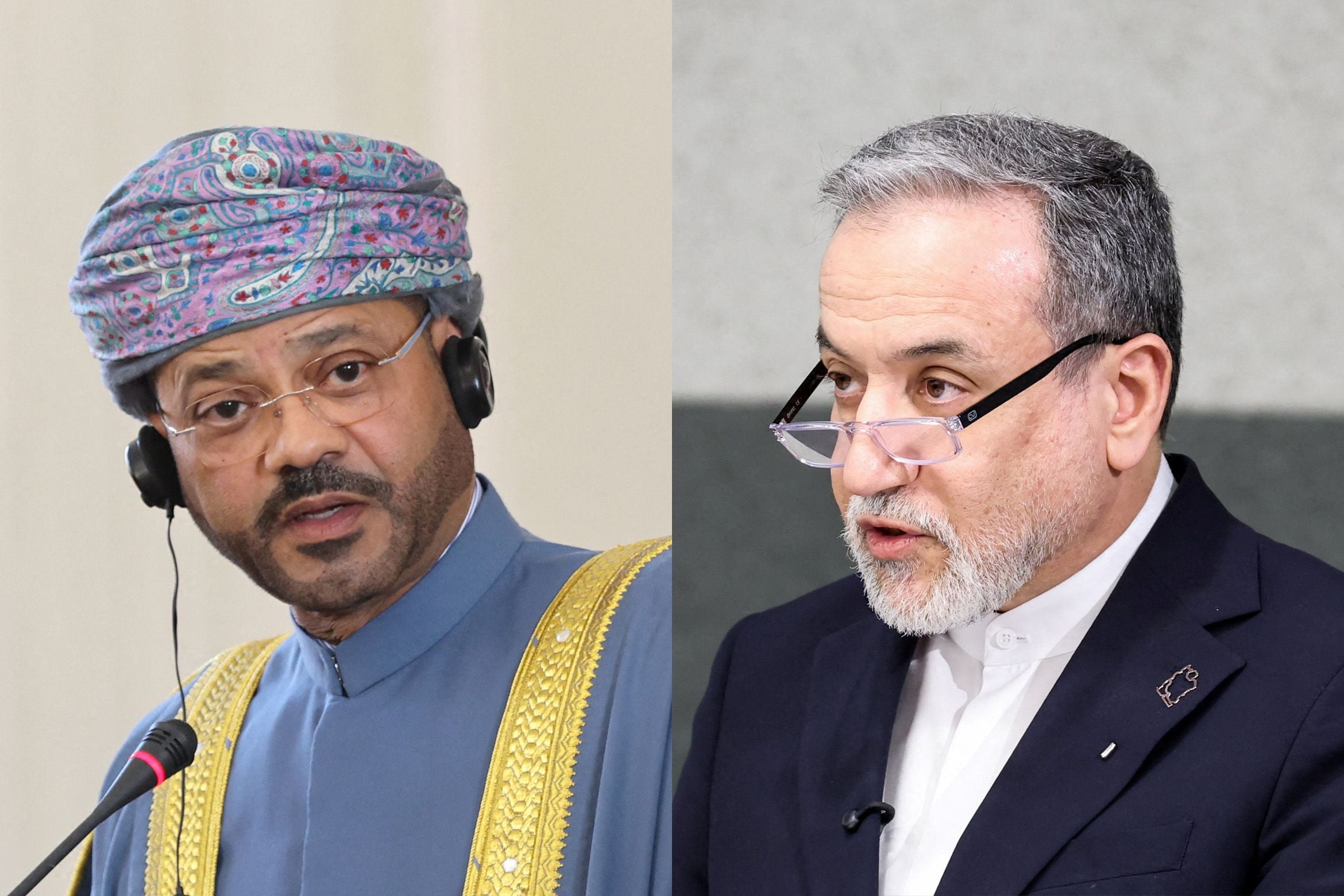
Abbas Araghchi arrived in Muscat for talks with Omani Foreign Minister Badr Albusaidi, focused specifically on Hormuz shipping safety and the resumption of commercial traffic through the strait. Iran’s IRNA state news agency quoted foreign ministry spokesman Esmaeil Baghaei saying the visit “will be focused on the Strait of Hormuz and shipping safety” and represents “a continuation of the consultations that we started with Oman over the past one or two months.” Oman has served throughout this conflict as the backstage facilitator between Washington and Tehran, a role it began during the Obama-era nuclear talks and has maintained with greater visibility as the ceasefire unravels.
The core of the American position, as described by senior US officials to CBS News, is a specific public commitment Iran has not yet made: that it will stop attacks on ships in the Strait of Hormuz and that all lanes will be open to shipping with no tolls charged. The June 17 Islamabad Memorandum of Understanding did not require a unilateral Iranian public declaration on either point. The US is now demanding one.
Araghchi has said publicly that Iran “has so far kept its word” under the memorandum. Tehran has pointed to a specific American violation: the Treasury Department’s sanctioning of Dubai-based Iranian financier Ali Ansari and associated entities on Friday, which Iran’s foreign ministry says breaches paragraph 9 of the MOU governing financial restrictions during the deal’s implementation period. That argument has not yet registered publicly as a US negotiating concession.
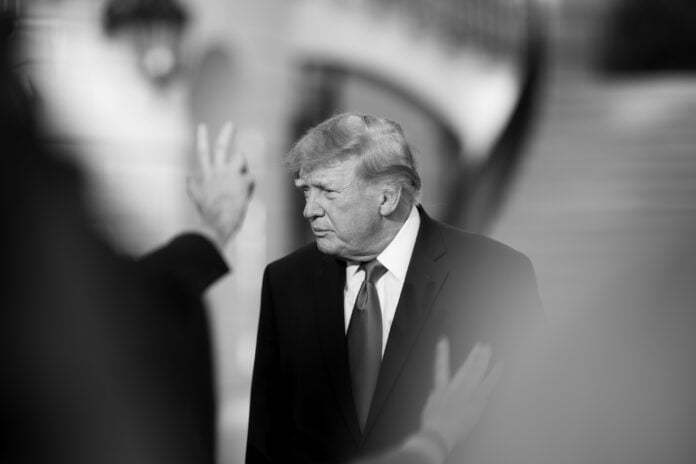
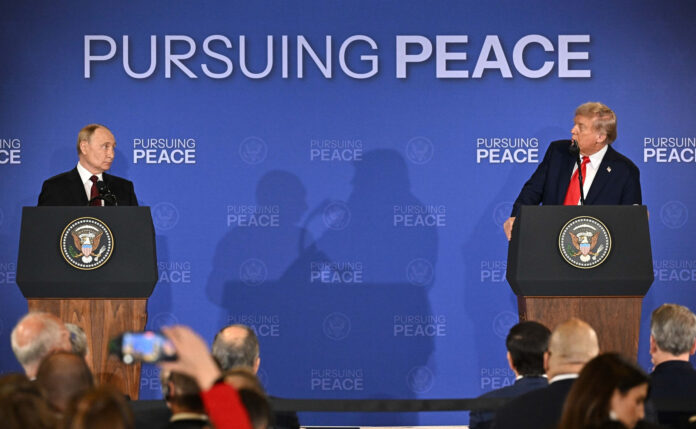
Trump, for his part, has maintained two tracks at the same time. On Friday, he posted that “the Cease Fire is OVER!” while also saying Iran had asked to continue talks and that the US had agreed to do so. He reiterated the MOU is over on Saturday. None of this has meant that Vice President Vance, Secretary of State Rubio, Jared Kushner, and Steve Witkoff have stopped negotiating. They remain empowered to do so, CBS News reported, citing senior officials close to the process.
The private admission attributed to Iranian officials carries unusual weight given the public posture both sides have maintained. Iranian officials, according to those same US-side accounts, told Trump’s team: “We screwed up. We made a mistake. Let’s keep talking.” Tehran’s public messaging has not acknowledged any such statement. Araghchi’s ministry issued a denial that Iran had requested new talks at all, even as the foreign minister was in Muscat holding them.
Whether that contradiction matters depends on which track one treats as operative. On the evidence of the past several days, both are running simultaneously, and neither has produced a formula Oman can take from one capital to the other and call a deal.
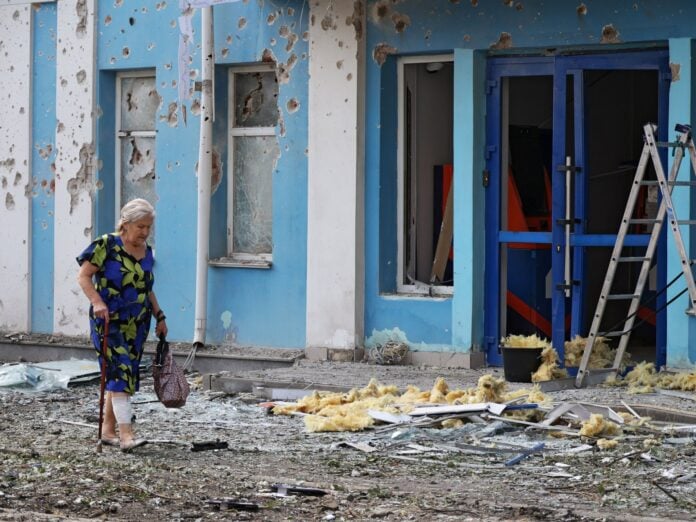
The Strait of Hormuz remains partially closed. New, unclaimed explosions struck the Bushehr area on Thursday after the US said it had concluded its most recent strikes, adding uncertainty to a conflict in which attribution has been consistently contested, as Eastern Herald reported that evening. Earlier in the week, both sides briefly halted military operations with mediators describing talks as still alive, before Trump’s Friday statements changed the framing again.
The structural difficulty with the American demand is not technical. It is political. Requiring Iran to make a public, unilateral declaration that it will charge no tolls and halt ship attacks asks Tehran to formally reverse the position it demonstrated when it implemented its Hormuz service-fee system and preferred-nation transit exemptions. That system, under which China, Russia, India, Iraq and Pakistan moved through the strait at preferential terms, was not merely operational. It was a demonstration of geopolitical alignment. A public vow to dismantle it unilaterally provides Iran nothing in return and provides Trump a visible concession on his terms.
TRT World reported that Oman and Iran had established a joint working group under the Islamabad MOU to negotiate future navigation arrangements in the strait, in coordination with Gulf littoral states. The working group’s mandate specifically required that any measures “fully respect sovereignty and sovereign rights.” The US demand for a unilateral public declaration sits in tension with that framing, since such a declaration would be made by Iran alone, without a corresponding US commitment on the sanctions question Iran raised.
What Araghchi is trying to get from Oman on Saturday is not clear from what either side has released publicly. Oman’s leverage is real: it borders the strait, maintains working relations with both Washington and Tehran, and has demonstrated repeatedly that it can be trusted by both parties. What Oman cannot do is bridge a gap between a party seeking a public act of formal acknowledgment and a party that has publicly denied it is negotiating at all.
Pakistan’s Prime Minister, separately, urged Iran to safeguard the “hard-earned peace gains of recent months” through dialogue. Qatar’s mediators have been working in Mashhad. Turkey’s foreign minister was in contact with Araghchi by phone. The diplomatic traffic around Muscat on Saturday is dense enough to suggest that the Oman talks are not a sideshow, even if what they can produce remains unclear.
Trump’s 1,000 missiles remain where he said they are. The diplomat from Tehran landed in Muscat. The distance between those two images is where the ceasefire currently lives, and nothing that happened Saturday resolved it.