
SAN FRANCISCO – The last time OpenAI tried this, the reviews were not kind. Six months after a January 2026 pilot that health data analysts described as producing lackluster results, OpenAI on Wednesday relaunched ChatGPT Health to all American users 18 and older, folding it into every service tier: Free, Go, Plus, and Pro.
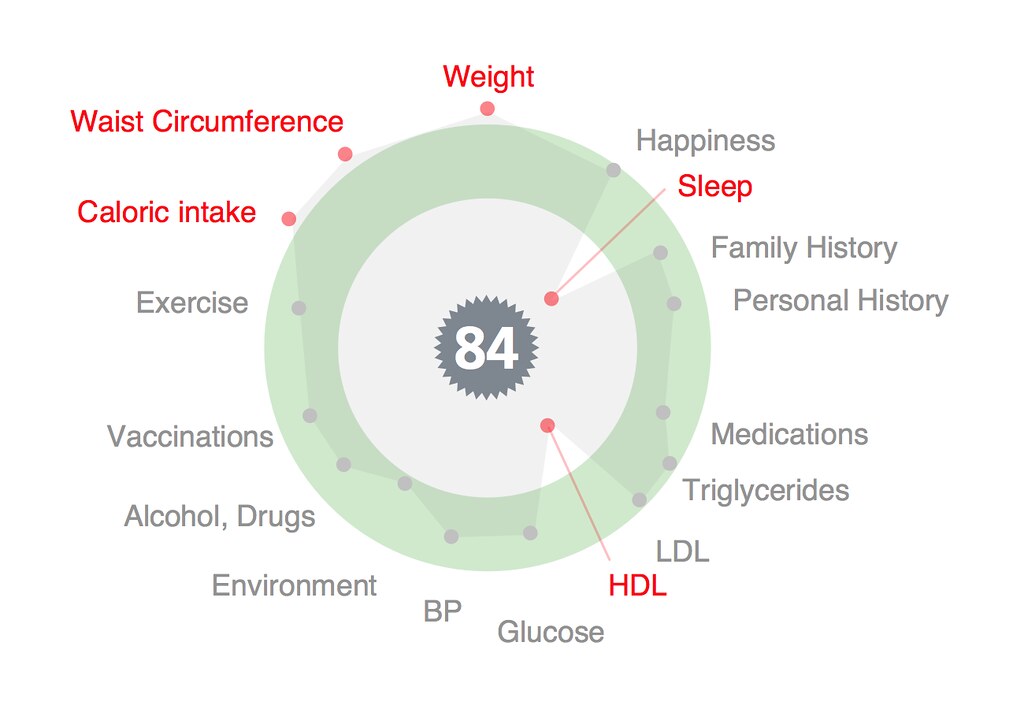
The feature connects ChatGPT to Apple Health and a growing number of supported medical record providers, letting the chatbot pull in a user’s blood work, sleep patterns, and recent physician visits. Once connected, users can ask it to summarize what changed since their last appointment, compare new lab results against prior ones, or explore patterns in their workout and activity data. OpenAI described the capability in its release notes: “With your permission, ChatGPT can now draw on relevant information you’ve connected in Health, including lab results, vitals, and more.”
That permission language is doing a lot of heavy lifting. The question health privacy lawyers have been pressing since January is the same one that trails this relaunch: who actually protects this data? The answer is not the federal government. HIPAA, the Health Insurance Portability and Accountability Act that governs how doctors, insurers, and hospitals handle patient records, does not apply to data users voluntarily hand to ChatGPT. Once information flows from Apple Health into OpenAI’s systems, it falls under OpenAI’s own privacy policy, not any federal health data statute.
That is not unique to OpenAI. Fitness apps and wellness platforms have operated in the same regulatory gap for years. But the scale of what ChatGPT can now do with that data is new. This is not a step counter. It is a large language model with the ability to synthesize lab trends, medical visit summaries, and biometric patterns into something that resembles clinical reasoning, produced without a clinical license and without the liability that attaches to a licensed clinician.
OpenAI has not publicly detailed what it retains from Health conversations or for how long. The company’s privacy policy permits it to use conversations to train its models unless users opt out, a setting buried in account preferences. For health data specifically, the policy states the company treats such information with additional protections, without specifying what those are. The gap between what the interface implies and what the policy commits to is significant.
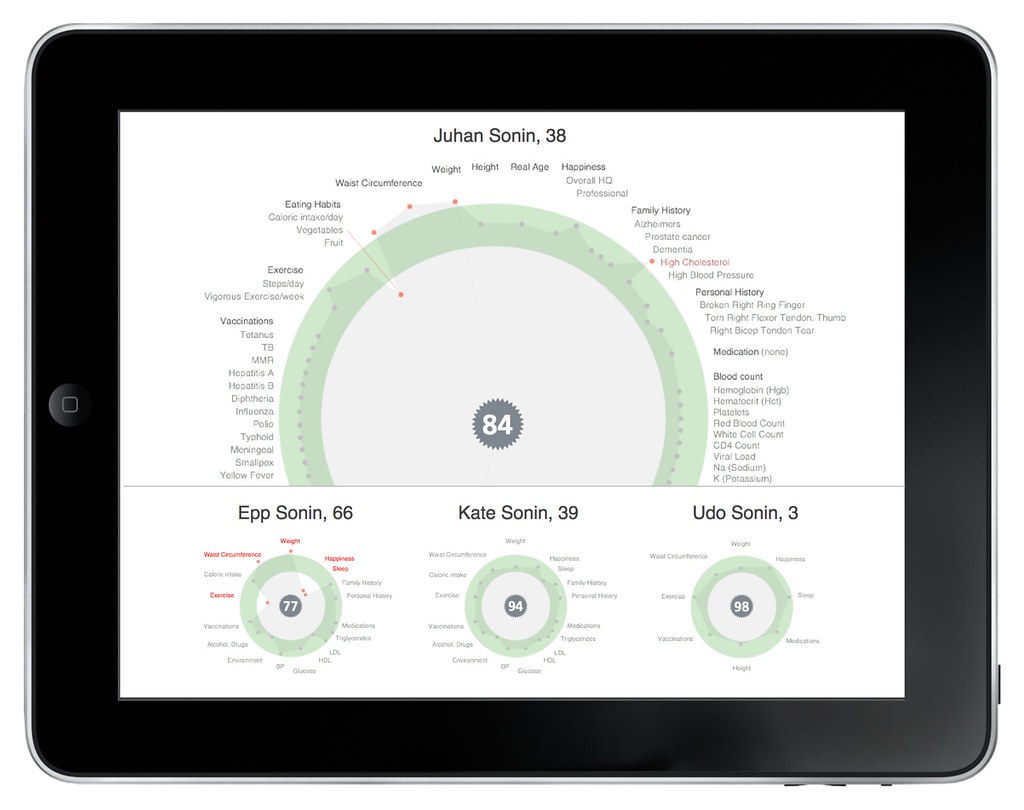
The January pilot struggled on a different front. Early testers reported that the feature sometimes produced summaries that were technically accurate but clinically useless, stringing together data points from Apple Health without offering contextual interpretation that would help someone understand what their A1C trajectory actually meant over six months. OpenAI acknowledged the feedback and rebuilt the feature’s ability to weight recent data against longer-term baselines before this week’s relaunch.
The relaunch arrives on iOS and web simultaneously. It is not available in Codex, OpenAI’s coding environment, which keeps the Health feature separated from developer tools. The rollout is geofenced to the United States for now, with no stated timeline for international availability. European users, whose health data falls under GDPR’s stricter protections, will likely require a substantially different framework before OpenAI can bring the feature there.
The company is not alone in chasing this market. Apple has its own AI health summaries built into iOS, though these remain on-device and do not send data to external servers. Google’s Gemini has explored similar territory with health integrations. What distinguishes the ChatGPT approach is conversational depth: users can ask follow-up questions, probe specific data points, and receive what feels like a dialogue with someone who has read their chart.
The Eastern Herald reported last month on a lawsuit in which a user alleged ChatGPT gave medical advice that led to a harmful outcome, a case still working through the courts. OpenAI has consistently maintained that its tools are not a substitute for professional medical advice, a disclaimer that now appears prominently in the Health interface.
OpenAI’s $750 billion data center expansion in Georgia, announced earlier this week, will provide the computational backbone for AI health applications at scale. The pattern is consistent: build the infrastructure, then populate it with services that generate the kind of intimate, high-value data that trains the next generation of models.
For users willing to look past the privacy gaps, the experience of having a tool that can read your bloodwork and speak to it in plain English is genuinely new. Whether that novelty holds up under scrutiny, or whether the January pilot’s weaknesses simply migrated into a cleaner interface, is something only sustained use will reveal. OpenAI is counting on people not waiting to find out.