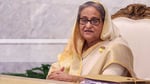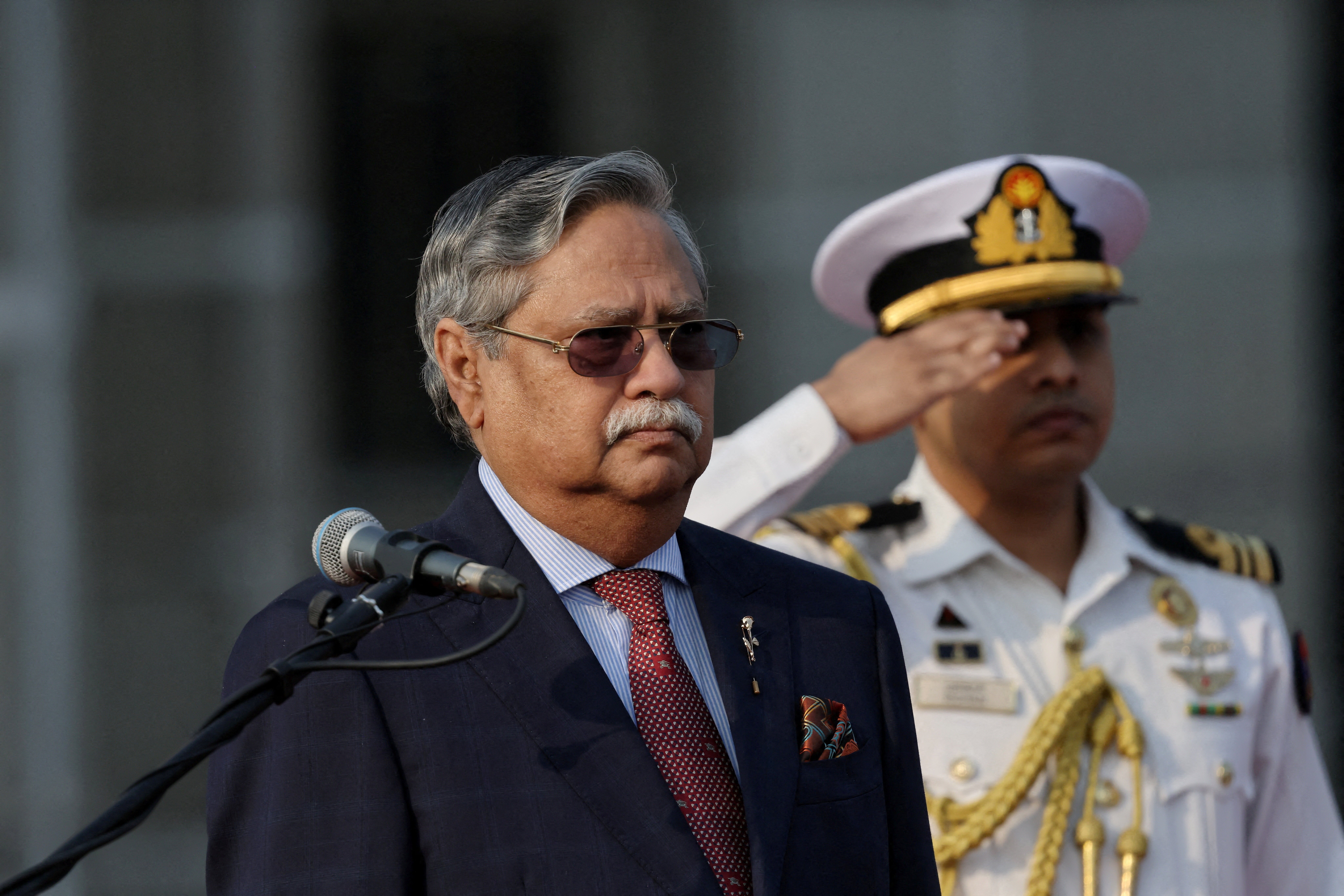

DHAKA – Pro-BNP doctors and hospital staff forced their way into a meeting being held by Health Advisor Nurjahan Begum at the DNCC COVID Dedicated Hospital in Mohakhali on Monday, demanding the resignation of the director general of health services and senior officials they accused of supporting the deposed Awami League government.
Nurjahan Begum had convened the meeting to discuss the treatment of patients injured during the Anti-Discriminatory Students Movement, the mass uprising that removed former Prime Minister Sheikh Hasina from power in August 2024. Former director general of health services Prof ABM Khurshid Alam, current Director General Prof Robed Amin, Additional Director General Prof Ahmedul Kabir, student movement leader Akhter Hossain, and DNCC COVID Dedicated Hospital Director Col Zahirul Islam were present at the meeting.
Physicians, nurses and health workers had been staging demonstrations at the DGHS premises since morning, blocking senior health officials from entering their offices. Around 11am, a group broke away from the DGHS compound and marched to the Mohakhali hospital where the advisor’s meeting was in progress.
The protesters gathered initially outside the hospital, then attempted to enter the administrative block. A female doctor blocked their path and an altercation broke out, with pushing and shoving as the group forced entry. The health advisor was holding the meeting in a conference room when the protesters reached her.
Student movement leader Akhter Hossain attempted to calm the protesters inside the meeting room. Around 12:15pm, the health advisor and senior officials agreed to allow five representatives to remain while asking the larger group to withdraw. The meeting was still in progress as of 12:30pm, with no announcement on the demanded resignations.
The Directorate General of Health Services has been one of the most contested institutions in Bangladesh’s post-transition political landscape. Its senior leadership, appointed across fifteen years of Awami League governance, remained largely in place months after Hasina’s removal, frustrating BNP-affiliated professional associations who argued that a health bureaucracy built under one political order could not be trusted to serve another. The accusation directed at Prof Robed Amin specifically, that he is an Awami League-linked official, has circulated within Bangladesh’s health sector networks since the political transition, though it has not been substantiated by any formal investigation on the public record. Al Jazeera has reported on the sustained campaign to return Hasina to Bangladesh, even as her appointees continue to hold senior positions across ministries.
Bangladesh’s Directorate General of Health Services oversees a sprawling administrative apparatus responsible for public health policy, hospital licensing, pharmaceutical oversight, and disease surveillance across a population of 170 million. The director general post is one of the most politically sensitive in the country’s civil service: it controls appointments running into the thousands, procurement budgets of hundreds of crores of taka, and policy frameworks that shape healthcare delivery nationwide. In Bangladesh’s intensely politicized administrative culture, the identity of the person at the top of the DGHS has historically been read as a signal of which party’s loyalists hold the machinery of public health. Bangladesh’s political transformation since August 2024 has extended deep into institutional appointments, with the health sector among the most contested.
The Monday confrontation at DNCC hospital is consistent with a pattern seen across Bangladesh’s public institutions in the months since the transition. Professional associations affiliated with BNP and its allied parties have organized sit-ins, blockades, and marches targeting senior officials they identify as holdovers from the Awami League era. In some ministries, sustained pressure has led to early retirements or transfers. In others, officials have remained in post while the administration attempted to balance governance continuity against the political expectations of the coalition that brought it to power.
Nurjahan Begum’s position as health advisor places her at the center of this tension. Her mandate requires effective management of a ministry whose senior bureaucrats were largely placed by a government she now represents as part of the new political order. Monday’s confrontation was not the first time BNP-affiliated health workers had entered the ministry’s physical spaces to press their demands; similar scenes had been reported at the DGHS compound itself in the weeks preceding the Mohakhali incident. The decision to allow five protest representatives to remain in the meeting, rather than calling security to clear the room, suggests a government calculating that it cannot afford a direct confrontation with the professional associations pressing for change.
What the health sector protests expose is a structural problem the government of PM Tarique Rahman has not yet resolved: the machinery of the state remains largely staffed by individuals appointed during Awami League’s long rule, and removing them wholesale would create governance gaps that the administration is not equipped to fill quickly. The party that built Bangladesh’s public administration across fifteen years is now formally banned, but its institutional footprint runs through every ministry, hospital, and district office in the country. The demand for the removal of Prof Robed Amin as director general and Prof Ahmedul Kabir as additional director general remained unresolved at the close of the reported period. Whether the health advisor acted on those demands or deferred them to a formal administrative review was not established in available reporting.
Related Posts