
DHAKA — The six-match white-ball cricket series between Bangladesh and India — three ODIs and three T20 internationals, scheduled for September — has reached the point where it requires foreign ministers to save it. Bangladesh Sports Minister Aminul Haque confirmed this week that the negotiations are no longer a cricket matter. “It is being worked on at the ministerial level,” he told reporters, describing an ongoing exchange between the foreign ministries of both nations aimed at salvaging a tour that was already postponed once before.
Haque said he is “hopeful” a resolution will come “very soon.” The word hopeful is doing a great deal of work in a sentence that also contains the phrase ministerial level — a phrase that appears in diplomatic readouts when normal channels have run out of road.
The series was originally set for August 2025. It was delayed when the diplomatic fallout from Bangladesh’s 2024 political upheaval made a tour unworkable. Twelve months later, the fallout has not cleared. It has deepened, and the sequence of events that produced that deepening constitutes one of international cricket’s stranger recent episodes: a World Cup withdrawal, a player ban by ministerial decree, and a political exile whose press conference started a petrol-bomb attack on a cricket ground and ended a sporting career. Bangladesh and India have not played each other in bilateral competition since September-October 2024, when India swept both formats of a home series. The gap feels longer than that.
In February 2026, Bangladesh withdrew from the ICC T20 World Cup, citing security concerns. The ICC declined to move their matches to Sri Lanka. Scotland replaced them. The episode was formally described as a security matter. The context was the ongoing dispute between Dhaka and New Delhi over the status of former Prime Minister Sheikh Hasina, who fled Bangladesh in August 2024 and has been sheltered in India on humanitarian grounds ever since. A bilateral cricket series between countries conducting that kind of argument at the ambassadorial level requires something more than a fixture list to get started.
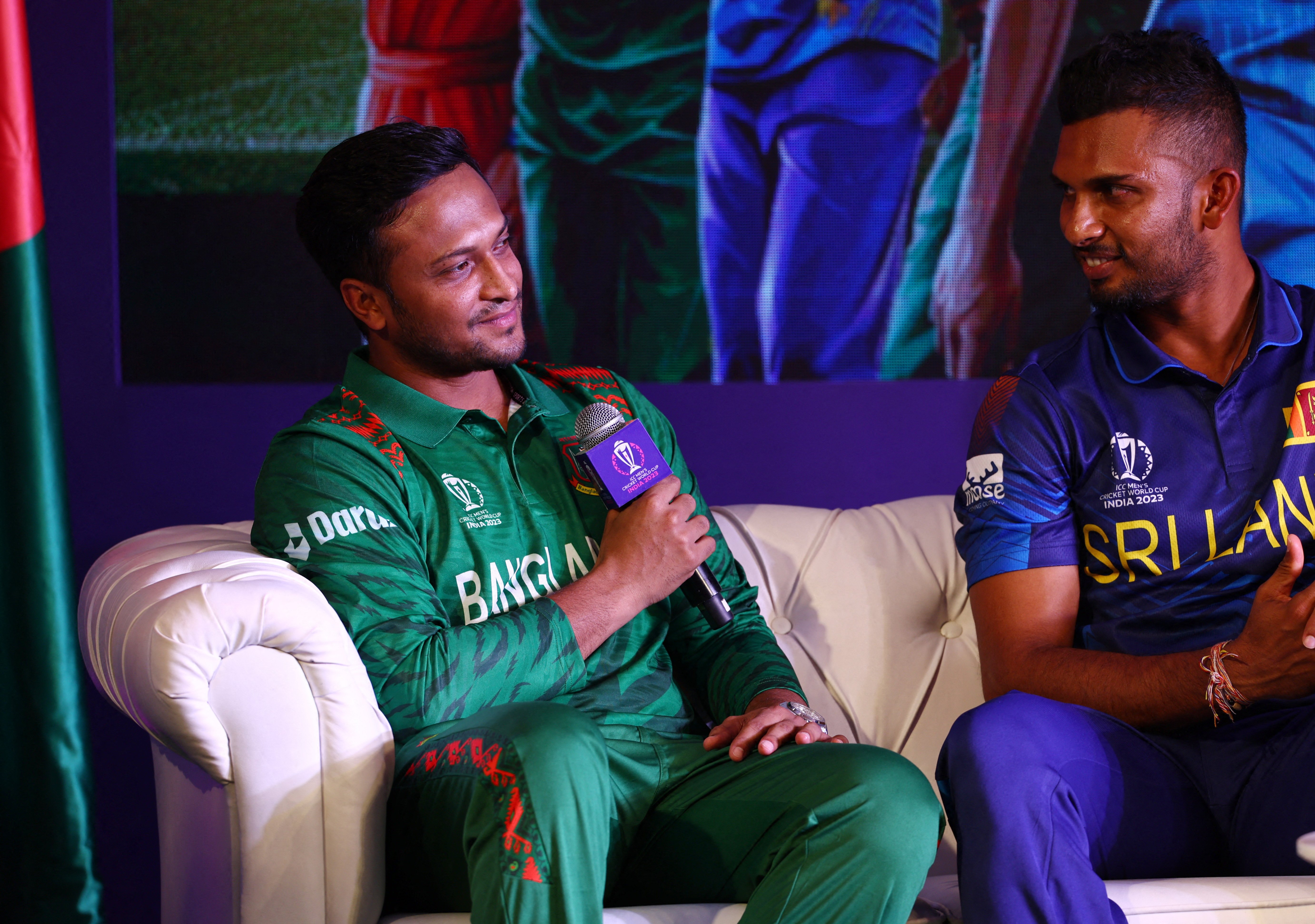
The Shakib Al Hasan situation added the clearest available illustration of how completely politics had entered the dressing room. On August 6, the veteran all-rounder joined a telephone appearance at Hasina’s Delhi press conference — her first public address since leaving Bangladesh. Within 48 hours, his Dhaka home had been petrol-bombed and the Sports Ministry had declared his career permanently finished. No court order preceded the ban. No arrests followed the firebombing. More than 400 international appearances, five World Cups, and a record that placed him among the two or three finest all-rounders in the history of the game: ended by ministerial statement, while his property burned without consequence.
India’s position throughout this sequence has been genuinely difficult to hold. New Delhi accepted Hasina’s departure on humanitarian grounds, has declined multiple Bangladeshi extradition requests on the basis of treaty provisions, and officially distanced itself from the Delhi press conference that triggered the Shakib ban — calling the event private and stating it did not endorse her remarks. Simultaneously, allowing the conference to proceed on Indian soil, in New Delhi, for the first time in two years, is the kind of thing that diplomatic distancing does not fully absorb. Bangladesh’s foreign ministry summoned India’s high commissioner afterward. These are not the conditions under which a cricket tour typically takes shape.
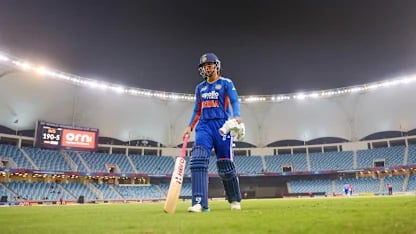
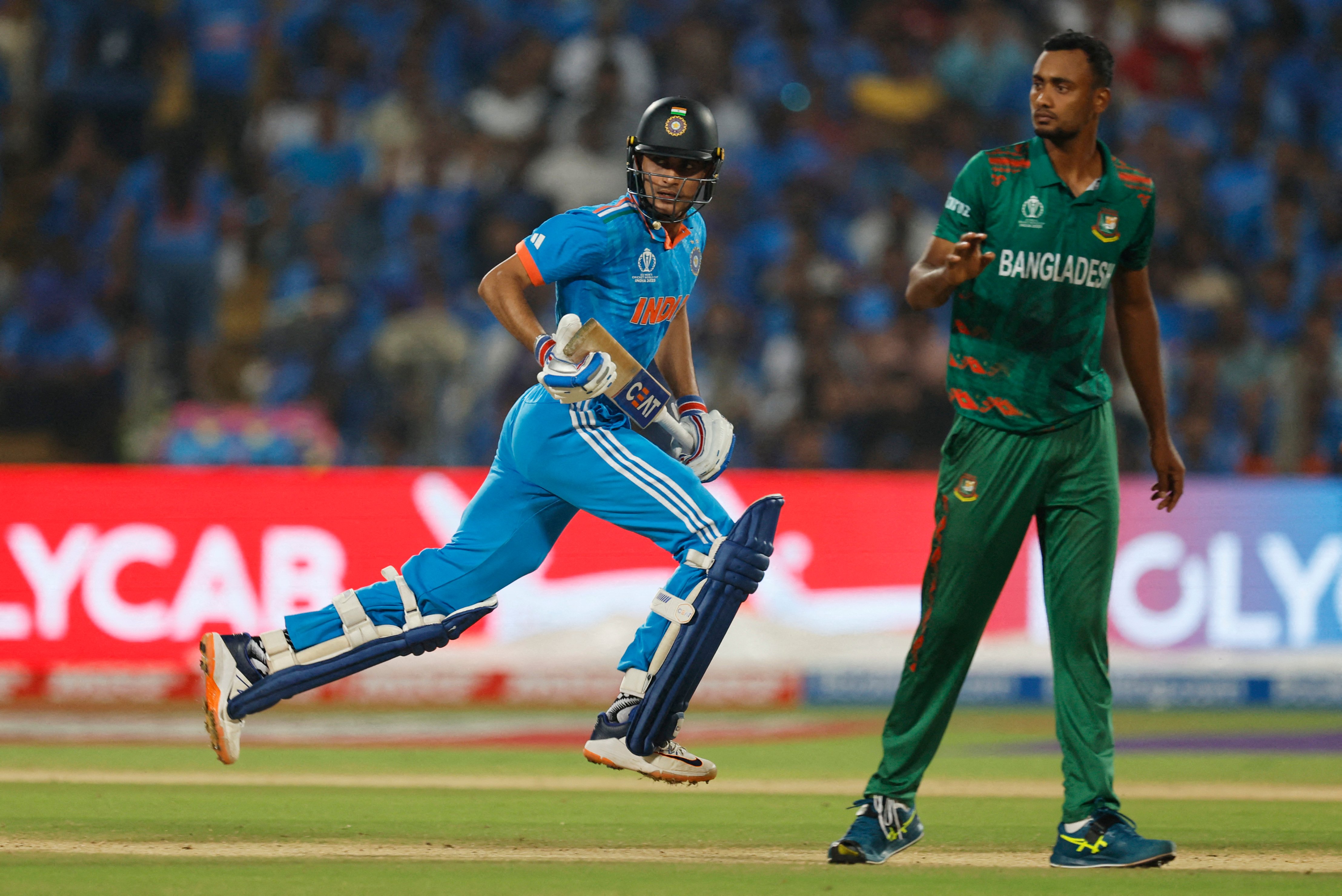
For India’s side of the bilateral, the cricket case is relatively straightforward. Shubman Gill, who led the team through a successful T20 World Cup campaign earlier this year — including a 61-run victory over Pakistan in Colombo — is expected to captain the touring party. India’s squad is set; its calendar is orderly; its cricket administration is not in the middle of a legitimacy crisis. The decision that matters is not the BCCI’s. It is the Ministry of External Affairs’, and on that decision there has been public silence.
Bangladesh cricket needs this series more than India does. A team that has played a full fixture list through 2025 and 2026 — including the Australia ODI series in June, which produced a near-historic whitewash — is now navigating Shakib’s absence from a batting lineup that was already thin at the top. Whoever replaces him against Indian pace bowling in subcontinental conditions will be doing so in circumstances no young cricketer in Bangladesh’s squad has previously encountered. The argument for playing — competitive matches, World Cup points, ranking protection — is clear for Bangladesh. The argument for India’s participation exists, but it belongs to a political conversation that has not happened publicly.
What India specifically requires before approving the tour is not on the record. S. Jaishankar and his Bangladeshi counterpart have not confirmed a bilateral meeting. The BCCI has not commented on the September timeline. For a series that would begin in approximately five weeks, the absence of confirmed dates, venues, and squad announcements is a significant gap — one that either reflects confidence that the ministerial talks will resolve quickly, or reflects the possibility that the September window is narrowing in a way that neither side is publicly acknowledging.
The India-Bangladesh cricket relationship has survived partition, the 1971 Liberation War, and the full range of bilateral tensions that neighboring countries carrying that much shared history tend to accumulate. It has not previously had to survive a government that bans its best players for political association and a foreign policy standoff over the terms of an exile. Aminul Haque says he is hopeful. The foreign ministers, whoever arranges their call, will determine whether the September calendar has any cricket in it.