
DHAKA — The flood arrived, as it almost always does in Cox’s Bazar, before the warning reached the camps. In a settlement of a million people built on degraded hillsides with no legal right to move elsewhere and no engineering margin for the water that comes every monsoon, warning systems can measure what is coming but cannot change where a million people sleep.
Bangladesh’s 2026 monsoon has killed over 100 people, displaced more than half a million, and reduced the conditions in the Rohingya refugee camps at Cox’s Bazar to what humanitarian workers describe as the worst they have seen in several years of monsoon responses. The Bangladesh Meteorological Department, which tracks the system more closely than any outside observer, has issued warnings covering at least 10 flood-risk districts and has documented rainfall totals that set station records: Dirai, in Sunamganj district, recorded 402 millimetres within 24 hours in July, a figure the department called exceptional even for a region climatologists have long identified as one of the wettest inhabited landscapes in the world.
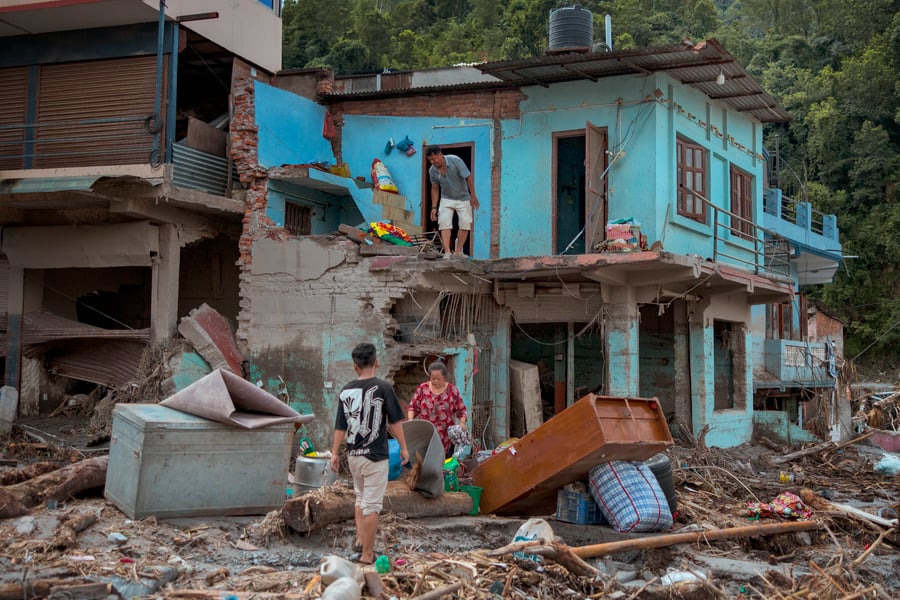
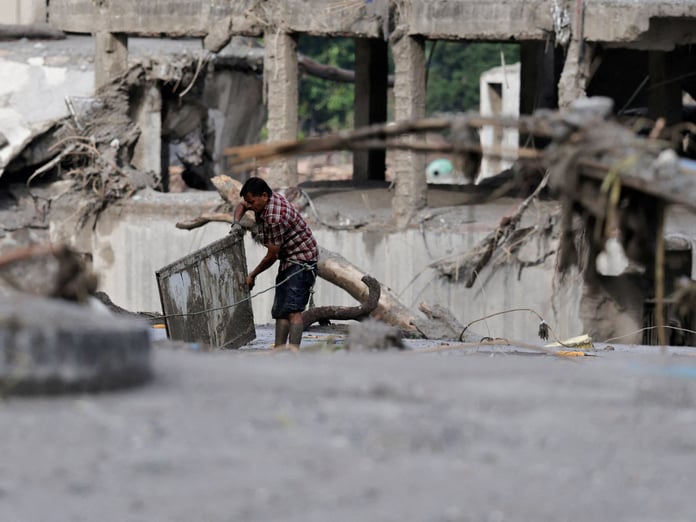
The flooding has arrived in successive pulses since early July, each one hitting communities still clearing debris and counting losses from the previous. The Chittagong Hill Tracts and the coastal districts were the first and worst affected; Chittagong City itself, Cox’s Bazar, Rangamati, Bandarban, and Khagrachhari all recorded extensive inundation. The Sylhet and Sunamganj districts, further northeast, were hit by a separate pulse in late July that local officials described as the most severe flooding since the mid-1990s.
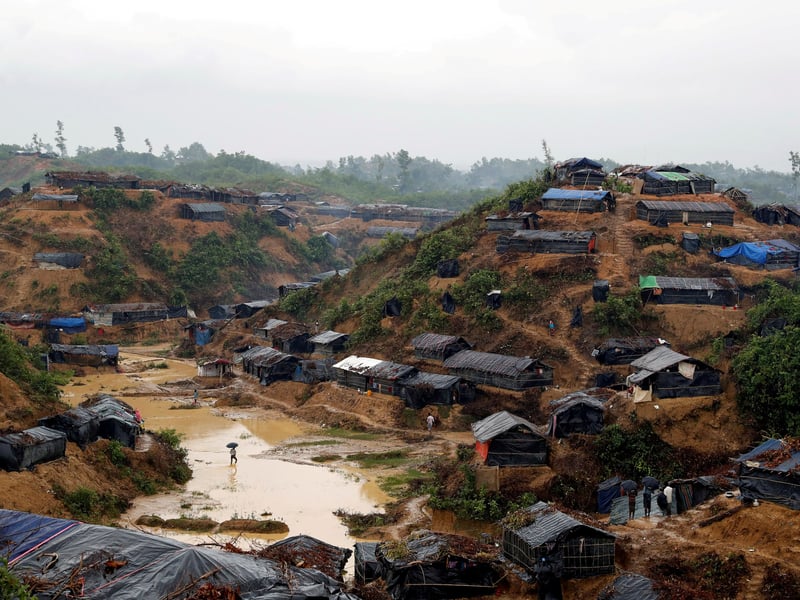
In the Rohingya camps at Cox’s Bazar, the monsoon of 2026 has not behaved differently from every monsoon before it. The camps occupy steep, deforested hillsides that were not designed for permanent habitation; the trees that would otherwise anchor the soil were cleared years ago for shelter and firewood. Every monsoon produces landslides and floods there. Al Jazeera reported a July landslide that buried a school and killed eight people in the camps — a single event within a season of serial emergencies. What is different in 2026 is the cumulative severity. The Norwegian Refugee Council, which operates in the camps, has described the monsoon emergency as exposing “growing humanitarian needs” across Cox’s Bazar that existing funding is unable to address. The United Nations Population Fund, documenting flash floods and landslides across Bangladesh from 8 July to 10 August, found that the population in the camps was absorbing one of the highest per-capita impacts of any community in the country.
The camps hold roughly one million Rohingya who fled systematic violence in Myanmar’s Rakhine State, most of them in the 2017 exodus that the United Nations has characterised as carrying the hallmarks of genocide. They have no legal right to settle outside the camp boundaries. They cannot attend government schools, hold formal employment, or access national social-protection systems. When the monsoon strips their shelters, they have limited ability to claim the compensation channels available to Bangladeshi nationals. Their exposure to flooding and landslide risk is structural, not accidental.
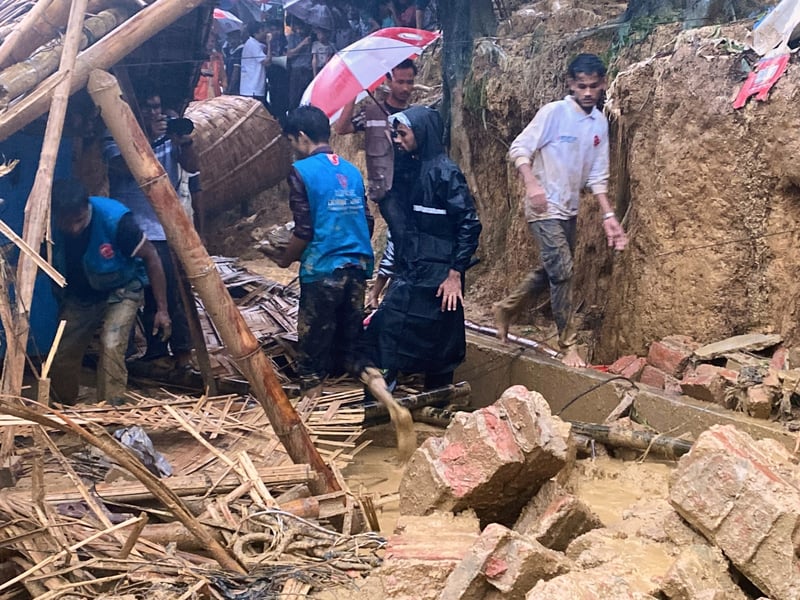
The humanitarian response has been significant in volume and constrained in reach. The International Federation of Red Cross and Red Crescent Societies mobilised support across the affected districts. UNHCR has emergency-response infrastructure in the camps, including early-warning systems and evacuation protocols, though the density of the population limits what those measures can accomplish when multiple pulses of rainfall arrive within days of each other. The 2026 Joint Response Plan for Rohingya humanitarian assistance — the coordinating framework for all international operations in the camps — was already facing a funding gap of more than $45 million for immediate emergency activities before the monsoon season intensified. Aid agencies warn that gap is widening.
Bangladesh’s exposure to this level of monsoon damage is not coincidental. The country sits at the confluence of three major river systems — the Ganges, Brahmaputra, and Meghna — and roughly 20 percent of the country floods in an average year. Climate scientists have documented a measurable intensification of extreme precipitation events in northeast Bangladesh since the 1950s, with some research suggesting extreme events have quadrupled in frequency over that period. El Nino dynamics in the Indian Ocean have disrupted the 2026 monsoon’s timing and distribution, producing both the record localized rainfall totals in Sunamganj and a broader pattern of intensity that has confounded agricultural planning across the country.
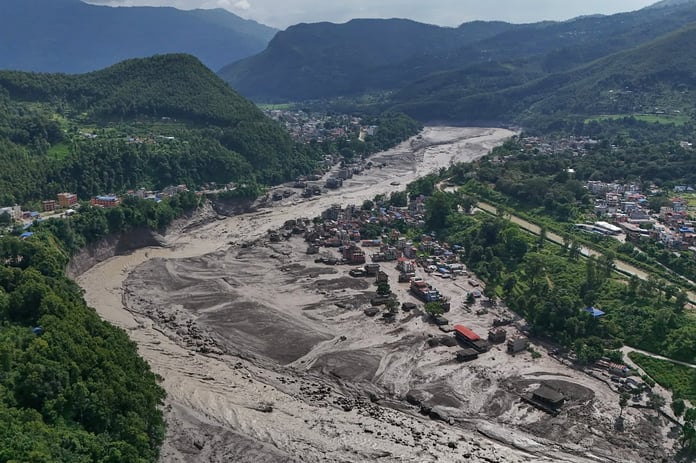
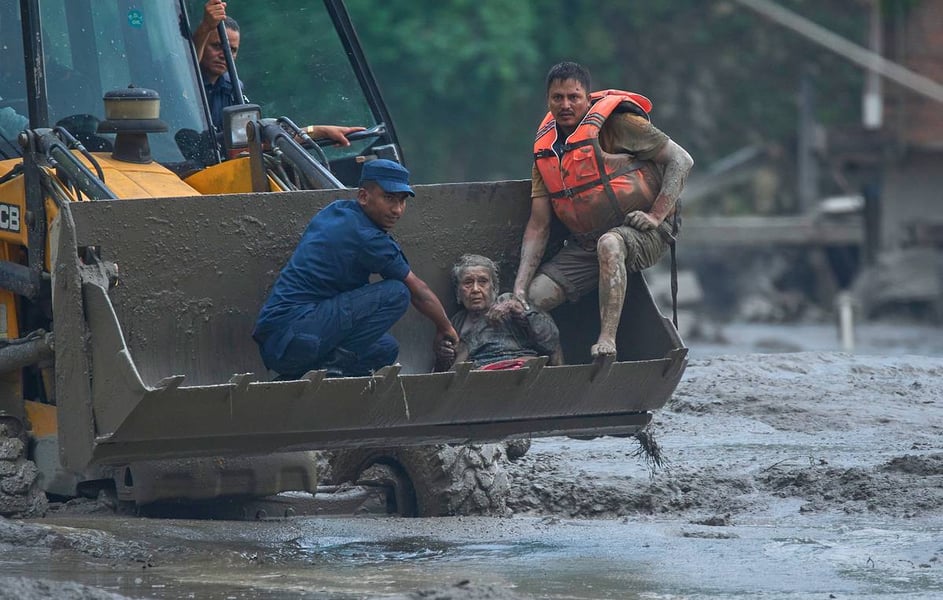
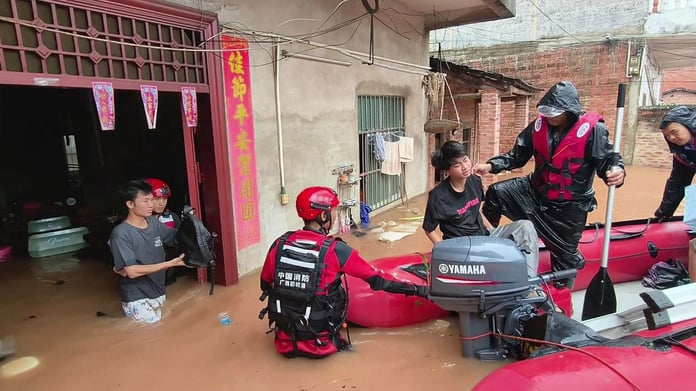
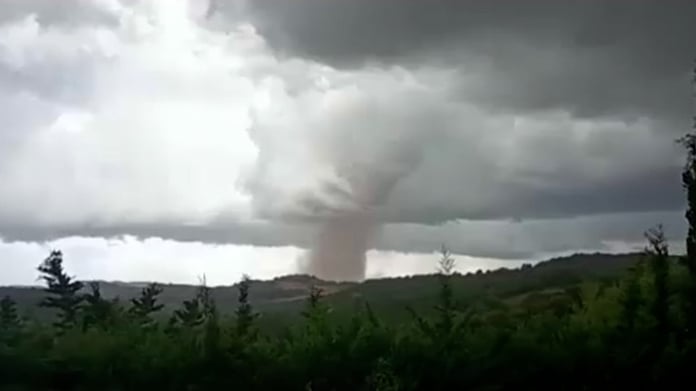
Compound climate flooding across Asia’s monsoon belt has been a defining feature of this summer, with typhoon-driven inundation in southern China, glacier collapse flooding in Nepal’s Himalayas, and sustained monsoon damage in Bangladesh forming a belt of disaster that has strained regional emergency response systems simultaneously. Donor governments that might otherwise redirect bilateral funds toward Bangladesh have been managing their own domestic flood emergencies or contributing to other active crises.
The Bangladeshi government has opened more than 1,700 emergency shelters and deployed national disaster management resources across the affected districts, but the pace of the flooding has outrun shelter capacity in several upazilas. Power outages have disrupted hospital operations in some of the worst-affected areas, and crop damage across Chittagong, Sylhet, and Sunamganj has compromised food security for communities whose recovery horizon extends well beyond the monsoon season’s end.
What the 2026 monsoon has not yet provided is a confirmed final accounting. The Flood Forecasting and Warning Centre has kept its warnings active across multiple districts as seasonal rainfall continues, meaning the figures for deaths, displacement, and damage reported through August are not yet the figures that will define the season. The monsoon in Bangladesh typically runs through September. What the camps and communities hit hardest in July and August will face in the weeks remaining is not yet known — only that the water will keep coming, and that for the people in those camps, there is still nowhere else to go.
Related Posts