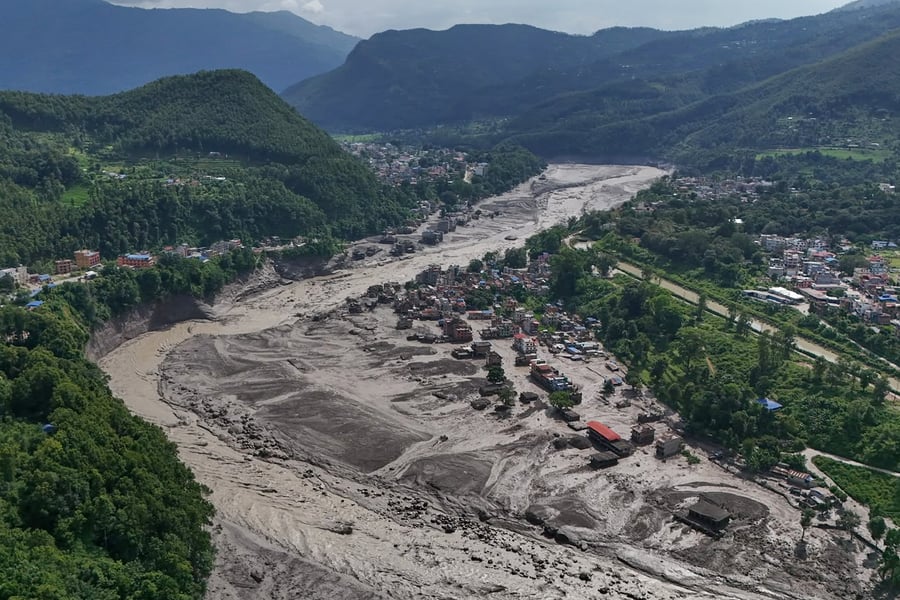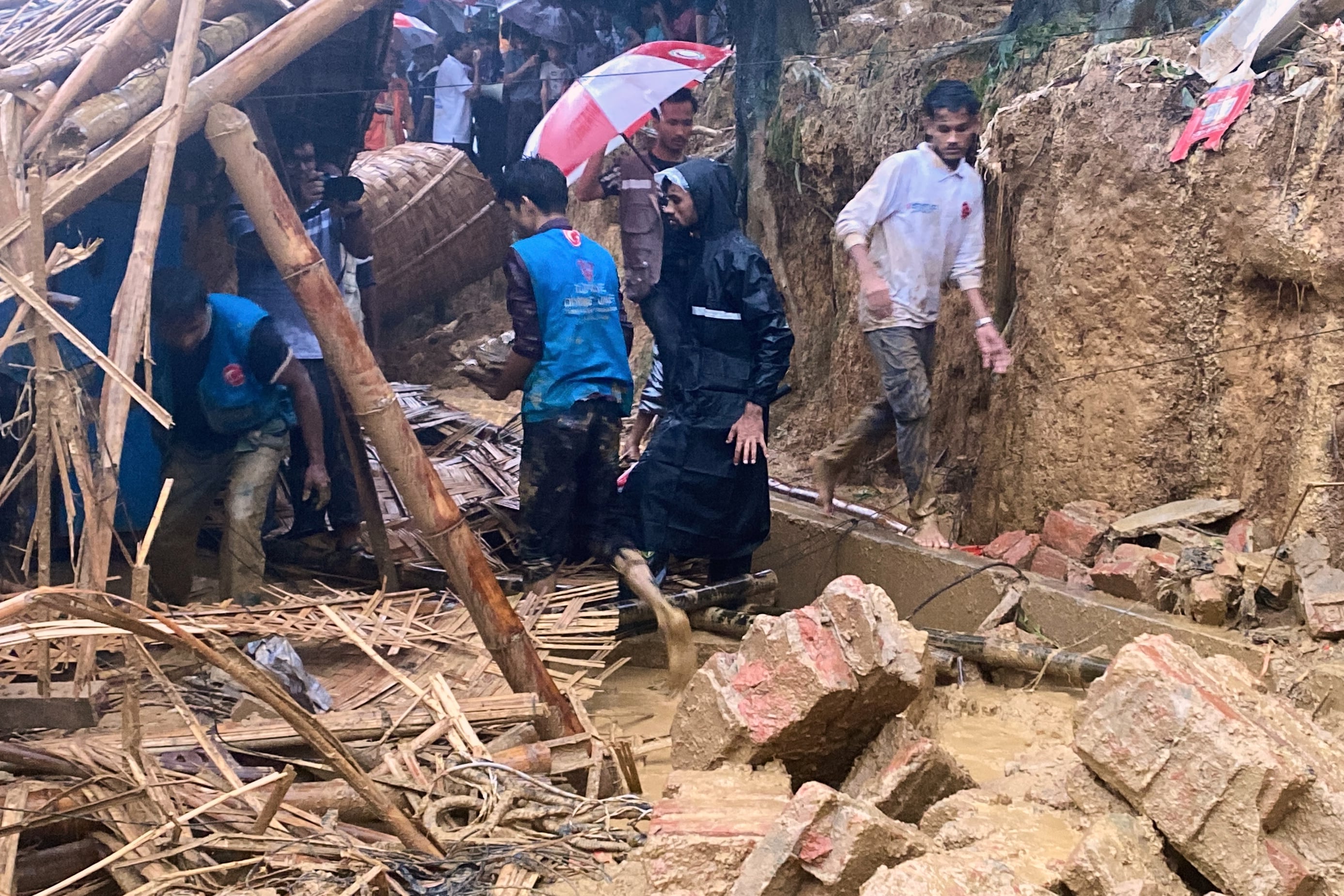

COX’S BAZAR – A hillside gave way onto a girls’ school in one of the sprawling Rohingya refugee camps at Cox’s Bazar on Wednesday, killing seven children and their teacher and exposing once again the acute danger that monsoon season brings to a population with no safer ground to retreat to.
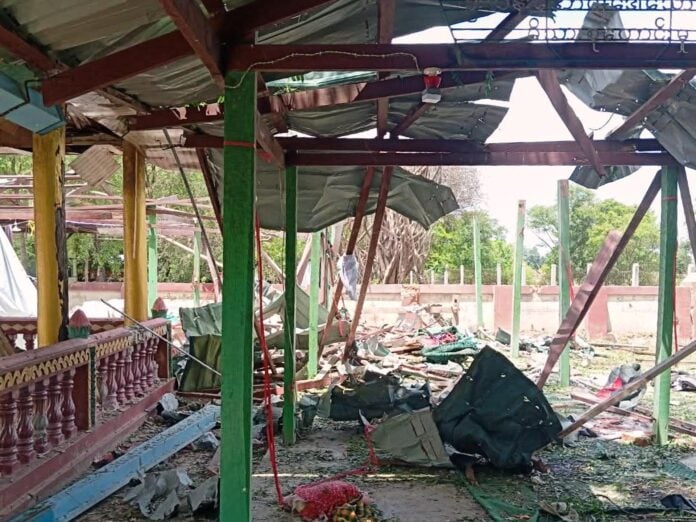
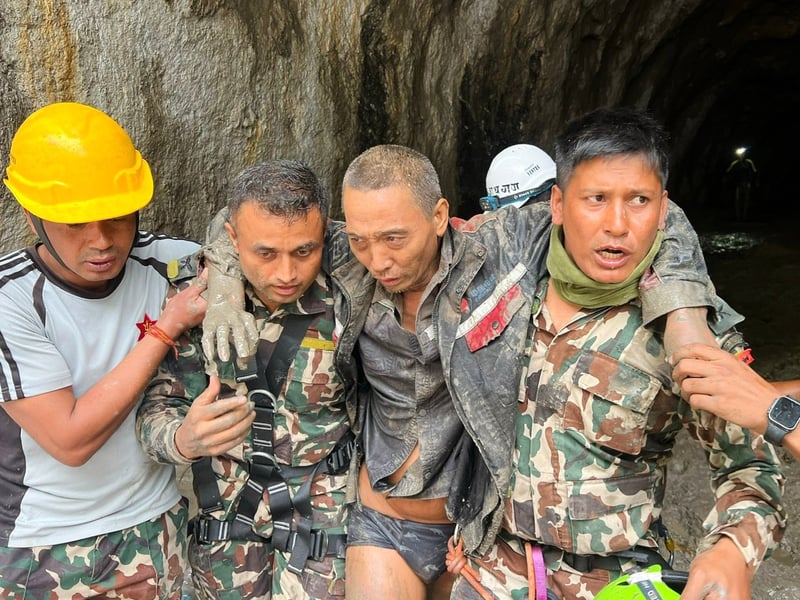
The landslide hit during school hours, burying the community school structure under mud and debris before students or staff could evacuate. Rescue teams worked through the afternoon to extract survivors, but by evening the death toll had reached eight: the teacher and seven of her students. Officials from the United Nations refugee agency were at the site alongside Bangladeshi emergency responders and camp volunteers.
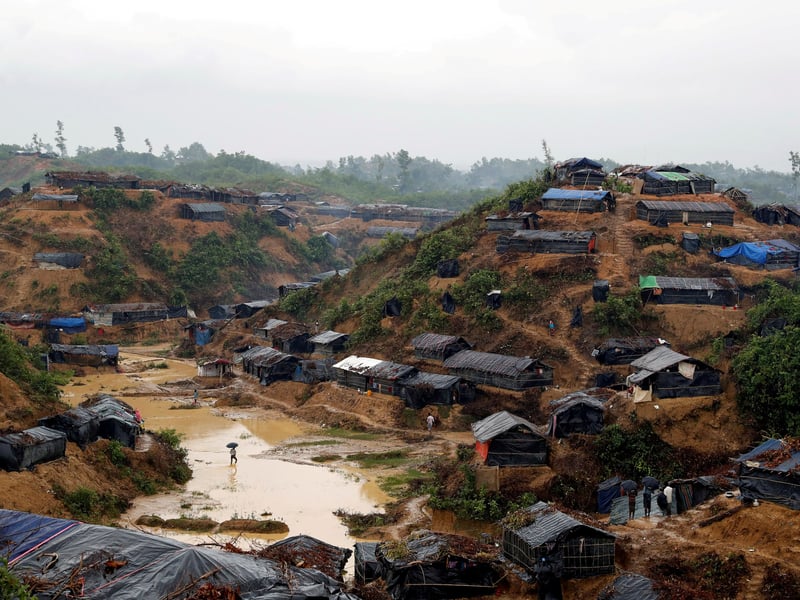
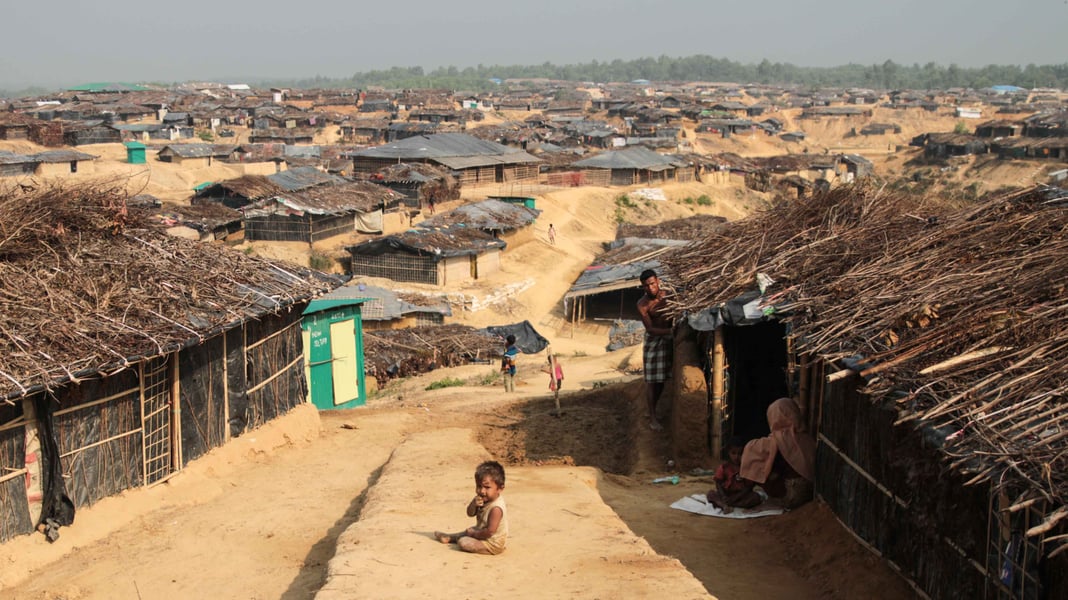
Cox’s Bazar hosts roughly a million Rohingya who fled systematic violence in Myanmar’s Rakhine State, most of them arriving in a mass exodus that began in 2017 after a military campaign the United Nations has characterized as carrying the hallmarks of genocide. The camps they occupy cover steep, degraded hillsides where the forest that would otherwise hold soil in place has been cleared for shelter and firewood over nearly a decade of densely packed habitation. Every monsoon season – which runs from June through September – produces landslides and floods that kill camp residents who have no legal right to relocate to more stable ground and no financial means to do so.
The Bangladeshi government has for years attempted to relocate a portion of the Rohingya population to Bhasan Char, a silted island in the Bay of Bengal, but rights groups have criticized conditions there and many refugees have declined to go. The camps at Cox’s Bazar remain overcrowded and environmentally degraded. Children attend informal schools run by NGOs, international agencies, and community volunteers in structures often made of bamboo and plastic sheeting – buildings not designed to withstand the force of a sudden earth movement.
Wednesday’s disaster followed several days of heavy rain across the Chittagong Hill Tracts and the coastal districts of southeastern Bangladesh. The Bangladesh Meteorological Department had issued warnings for continued rainfall through the week, and humanitarian organizations working in the camps had flagged elevated risk from the saturated hillsides. The landslide that struck the school was not unprecedented in type, only in its immediate toll.
The UNHCR and partner organizations have installed early warning systems in the camps and conducted evacuation drills, but the density of the population and the pace at which monsoon conditions can deteriorate limits what those measures can accomplish. A community of a million people on degraded slopes, with limited road access and no permanent housing, remains structurally exposed to this kind of loss regardless of the warning infrastructure in place.
The children killed Wednesday were enrolled in an education program serving Rohingya camp residents who have no access to Bangladesh’s national school system. Rohingya children cannot attend government schools without documentation they do not possess, making the network of informal camp schools one of the few available pathways for basic education in the community. The collapse of the building means the program serving those children is, for now, interrupted. The teacher who died alongside her students had been working with a humanitarian NGO operating in the camp; her name and the names of the children had not been officially released by late Wednesday.
International organizations and donors have pushed for years to move Rohingya families into more structurally sound housing, but funding for the camps has faced pressure as donor governments redirect humanitarian budgets toward other crises. The United Nations appealed earlier this year for more than $850 million to meet needs in the Bangladesh camps for 2026, and by July the campaign had received a fraction of that amount. The funding shortfall translates directly into deferred shelter improvements and slower progress on hillside stabilization projects.
The Bangladesh government’s position on the Rohingya is complicated by domestic politics and the absence of a repatriation agreement with Myanmar that would allow safe return. The military junta controlling Myanmar has not committed to the conditions – including citizenship rights and physical safety guarantees – that rights groups identify as prerequisites for voluntary return. That means the camps are likely to remain occupied through at least one more monsoon season, and the children who attend their informal schools will continue to do so in structures that are not engineered against the hillside they sit on.
The geographic concentration of the Rohingya crisis at Cox’s Bazar is itself a function of historical circumstance. Bangladesh absorbed what became the largest refugee influx in the country’s modern history in 2017, and has provided material support and security for the camps while repeatedly pressing the international community for assistance that has arrived inconsistently. The country is itself highly exposed to climate-driven disasters – it sits in the delta of the Ganges, Brahmaputra, and Meghna rivers – and rising sea levels, cyclone intensity, and erratic monsoon patterns have made flood management a constant national priority.
For the Rohingya, that broader context means they live inside a country that is itself fighting weather, in camps that receive less protection from it than any other resident population. Al Jazeera reported that monsoon rains are expected to intensify over the coming days, keeping the risk elevated across the camps’ most exposed slopes. Wednesday’s deaths were the most visible reminder of that geometry, but they were not the only ones: previous monsoon seasons have brought similar losses, and humanitarian agencies have documented the cumulative toll without being able to change the underlying conditions that produce it.