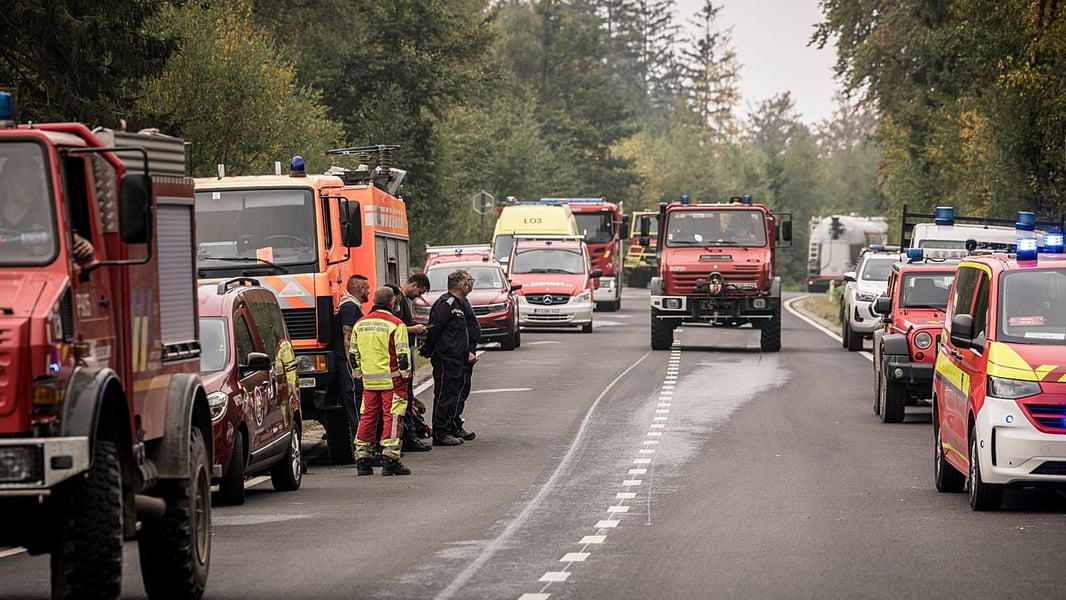

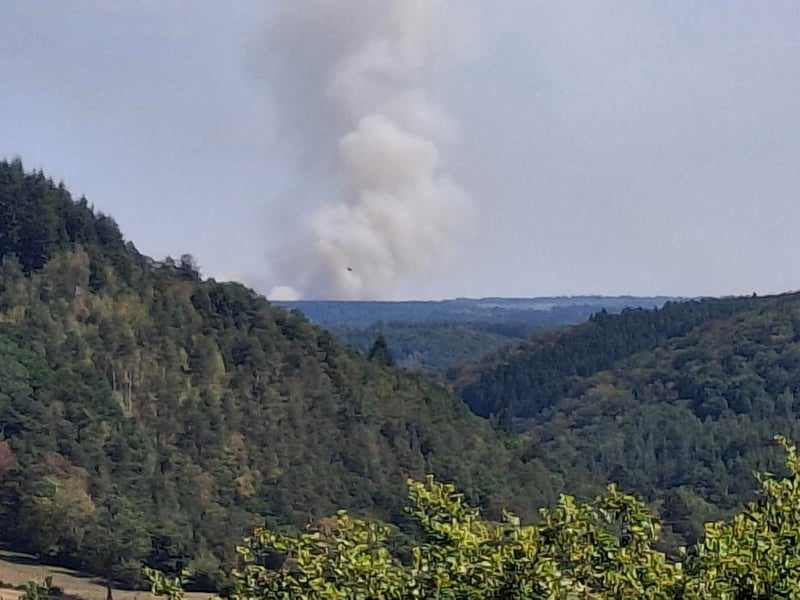
LIÈGE, Belgium — On Saturday night, more than 250 firefighters were deployed to the ridges of Belgium’s High Fens nature reserve. By Sunday morning, the fire they had been fighting since Friday had doubled.
Three thousand hectares of ancient peatland and pine forest were burning across the Hautes Fagnes plateau in the Wallonia region by midday Sunday, making the blaze the largest wildfire in Belgium’s recorded history. Firefighters from Germany and Luxembourg were already working alongside Belgian crews when Belgium activated the European Union’s Civil Protection Mechanism, a mutual aid framework reserved for disasters that exceed what a single country’s emergency services can handle. Water-bombing aircraft and helicopters arrived from Sweden, the Netherlands, and the Czech Republic.
Six hundred residents in Liège province had been evacuated by Sunday morning. A rest shelter was established at a gymnasium in the town of Malmedy, in the hills above the burning reserve.
The activation of the EU’s emergency framework marks a threshold that Belgian authorities had not crossed before. For most of the past decade, the bloc’s mutual aid protocols were invoked primarily by southern European countries during peak fire season. Greece, Portugal, and Spain had drawn on the mechanism repeatedly as Mediterranean wildfires grew larger and less predictable. Belgium, in a rain-fed highland ecosystem on the edge of Western Europe’s wettest weather systems, was not on that list.
The mechanism, formally known as the EU Civil Protection Pool, maintains a pre-committed reserve of aerial water-bombing capacity, ground equipment, and specialist teams across member states. It has been activated for European wildfires, floods, and earthquake responses. Its deployment for a Belgian wildfire is, formally, routine. What is not routine is that Belgium is the one requesting it.
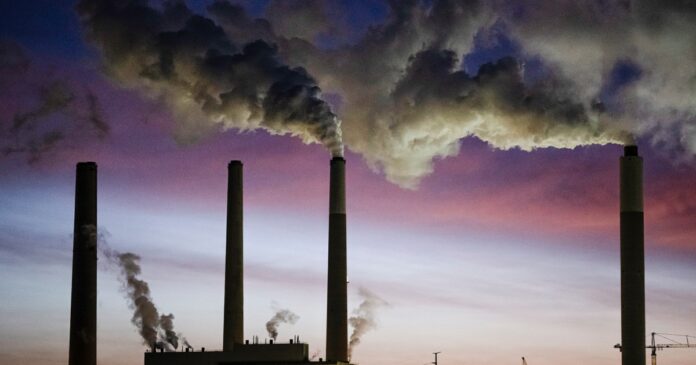
The reason the High Fens is burning at this scale has little to do with the land’s historical fire risk. The plateau’s peatlands and pine forests had been dried out by weeks of sustained heat, reaching combustion conditions that Belgian officials described as exceptional for a northern European bog environment. Peat fires behave differently from surface-level scrubland fires: the fuel source extends underground, and the smouldering beneath the surface can continue long after flames appear to have been extinguished, reigniting hours or days later.
That dynamic makes the High Fens fire difficult to control in ways that water-bombing aircraft alone cannot solve. The aerial assets from Sweden, the Netherlands, and the Czech Republic are effective at suppressing the fire’s surface spread. They are less useful against the underground combustion that characterises deep peat.
Europe was burning in multiple locations simultaneously on Sunday. A UK wildfire emergency had already been declared, with 19 homes destroyed in Stourbridge and Prime Minister Andy Burnham warning the country was a tinderbox. Greece wildfire evacuations had required sea rescues earlier in August near Porto Germeno. Major blazes were simultaneously burning in Germany, France, Croatia, and Spain alongside the Belgian fire, a pan-continental emergency that would have seemed exceptional a decade ago.
What distinguishes Belgium from those other locations is not the scale alone, but the nature of the ecosystem being destroyed. The High Fens is one of the few remaining raised bogs in continental Western Europe, a landscape that stores vast quantities of carbon in its accumulated peat layers. When peatland burns, it releases carbon that has been stored for thousands of years.
Those thousands of years matter scientifically. Peat forms at a rate of roughly one millimetre per year in European bog conditions, meaning a metre of peat represents approximately a thousand years of carbon accumulation. A wildfire can consume that accumulation in hours. The High Fens stores carbon that predates Roman occupation of Gaul. Once burned, it does not return on any timescale relevant to climate policy.
The Europe wildfire heatwave that drove fire conditions across France and Spain in late July continued pushing northward through August. Whether 3,000 hectares becomes 4,000 depends on overnight wind conditions that fire managers in Liège could not yet predict.
According to Euronews, the fire doubled in size in the 24 hours before Sunday morning. By Sunday afternoon, Belgian authorities had not announced a timeline for containment. No official casualty figures had been released; the evacuations were described as precautionary.
What no official had yet confirmed by Sunday night was whether the peat layer beneath the fire had been compromised at depth, a determination that will decide whether the High Fens fire is measured in weeks or in months.