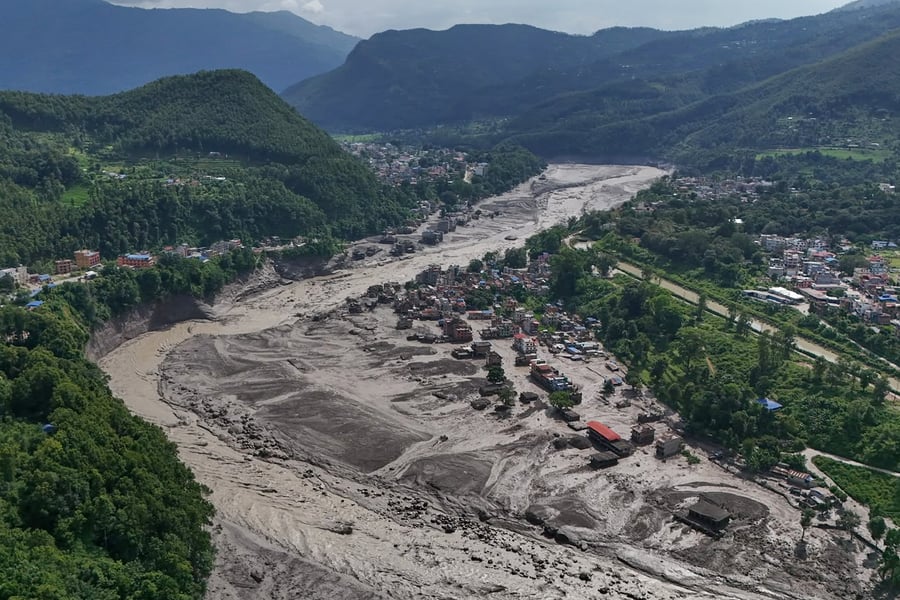

KATHMANDU — Ninety is a number the State Department arrived at by counting people nobody had heard from. It is not a casualty figure, and the department was careful to say so.
Tommy Pigott, the principal deputy spokesperson, said on Thursday that 90 Americans were currently unaccounted for after the flooding in Nepal, adding that the numbers are very dynamic. Three Americans have been rescued. Washington is aware of no American deaths, and is working with Nepalese authorities to locate the rest.
Set that against Nepal’s own accounting and a gap opens immediately. Nepali police and tourism officials put 910 people missing in the country, of whom at least 517 are foreigners, and the nationality breakdown circulated from the Nepal Tourism Board listed 33 Americans, alongside 34 Australians, 24 Canadians, 19 Malaysians, four Germans and one Israeli. Malaysia’s foreign ministry says 55 of its citizens cannot be reached, not 19.
So two governments are counting the same people and reaching answers that differ by a factor of nearly three, and it is happening for more than one country at once. That is not a scandal and it is not incompetence. It is what a missing-persons list looks like when the missing are trekkers.
Nepal’s figure counts people its own systems know about: names on permits, hotel registers, guide manifests, the trekking infrastructure that logs foreigners entering the high valleys. The State Department’s figure counts something different, which is Americans whose families have called an embassy, or who have not answered a phone. Those two sets overlap without matching. A trekker who entered on a permit but whose family has not yet raised an alarm sits in one list and not the other. Someone who was in the valley without registering sits in neither until a relative calls.
Which is why the honest reading of 90 is that it is the number of Americans not yet located, and it will move in both directions as people walk out of valleys with no phone signal and as other families make calls. Over the previous 48 hours the American figure reported by different authorities ran through 47, then 65, then 66, before Washington settled on 90.
The event that produced it was very fast, and its mechanism matters. On Wednesday an ice and rock avalanche came down near the Tibet border in Rasuwa district and dammed a tributary of the Bhotekoshi above Rasuwagadhi. The barrier held for a while. Then it failed, and the water that had been piling up behind it went down the valley in one release, through the Trishuli and on into Nuwakot as far as Bidur. There was no meaningful warning, because there is no mechanism that warns of an avalanche dam giving way in the hours it exists.

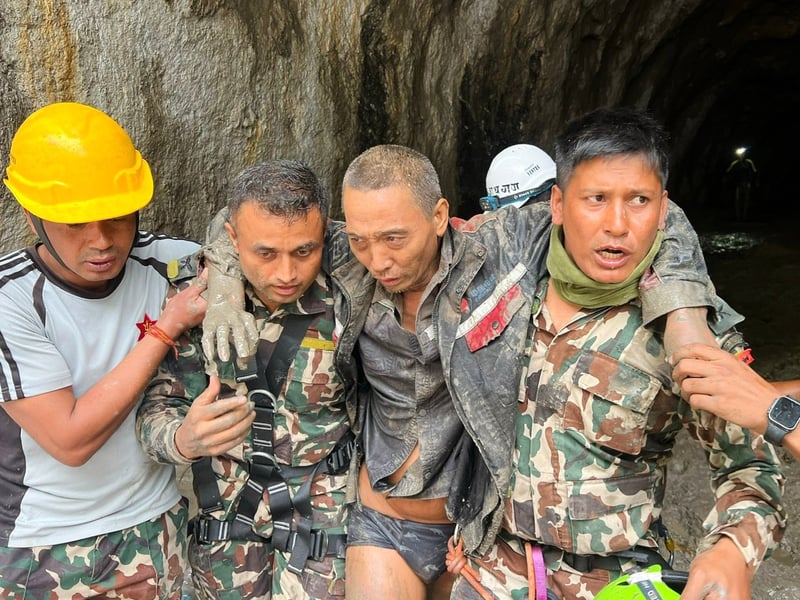
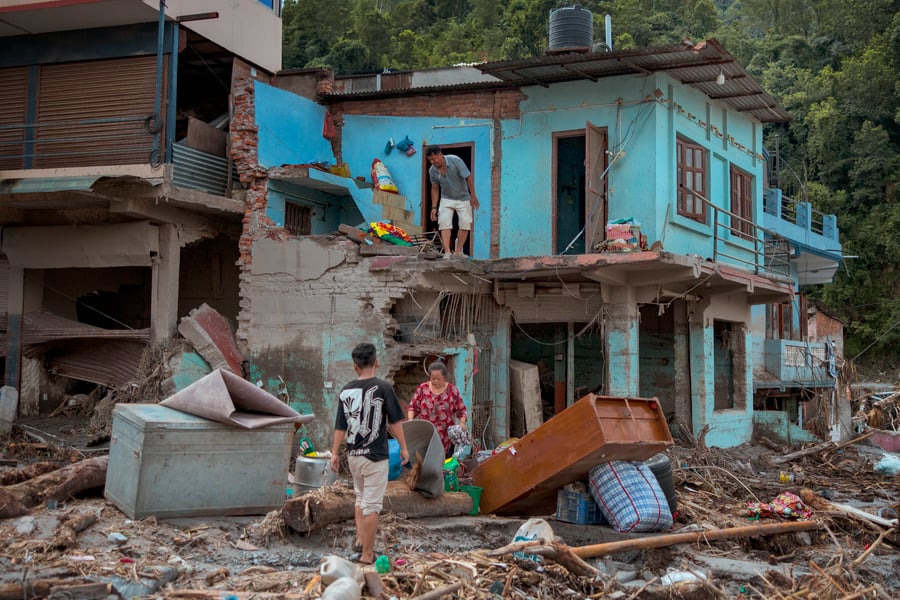
Lila Pieters Yahia, the UN resident coordinator in Nepal, put a figure on why the search is slow: the floods destroyed 35 bridges and about 25 miles of road. In terrain where the road is the only route into a valley, losing the bridges does not merely delay rescue teams, it determines which valleys can be reached at all and in what order. The UN has released an initial 2.5 million dollars in humanitarian funding and Switzerland has added a million, sums that indicate an early response rather than a measure of what is needed.
The cross-border shape of this is being reported thinly. The avalanche came down on a border and the water went both ways. Tibet’s missing are counted separately, described more briefly, and drawn from a population that was not trekking and will not be on any tourism board’s list. The nationality breakdowns that make the Nepal side legible in Western capitals have no equivalent on the Chinese side, and the 260 missing there are the least visible people in the disaster.
There is a longer pattern behind the specific event. Himalayan slopes are losing the permafrost and ice that hold them together, and the failures they produce, whether a glacial lake bursting or a mass of ice and rock detaching outright, arrive without the seasonal cue that monsoon flooding gives. Nepal has been through versions of this before. What is different here is scale and timing: peak trekking season, high foreign presence, hydropower crews working the same valleys, and a collapse large enough to take out the infrastructure that would normally carry the response.
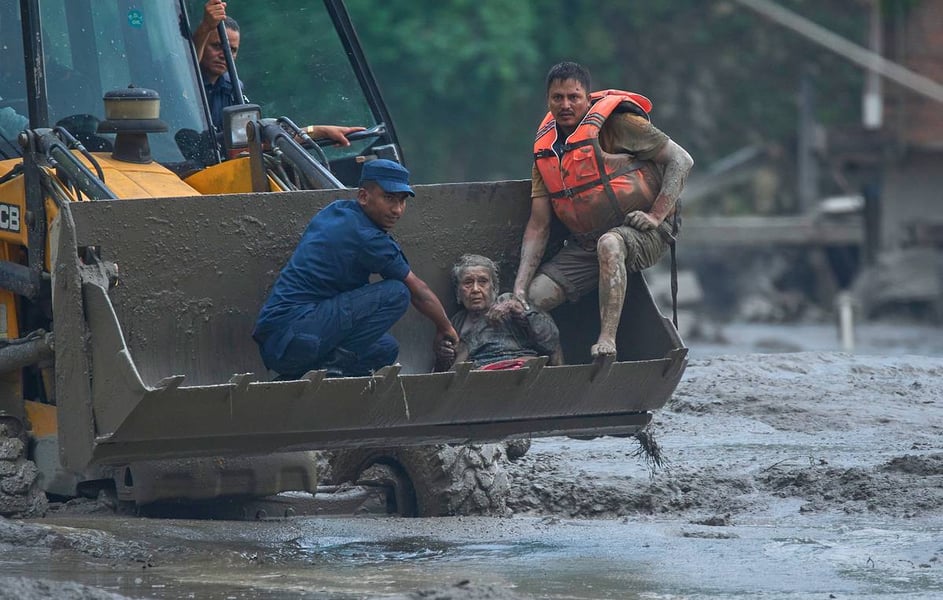
What the State Department has not said is how many of the 90 are believed to have been in the affected valleys at all, as against Americans elsewhere in Nepal whose families cannot reach them because the phone network is down across a wide area. Pigott did not break the figure down, and the distinction matters enormously for what the number means. Nor has anyone said how the three rescued Americans were found, or where.
The count will keep moving for days. The useful thing to watch is not the headline total but whether Nepal’s list and the sending states’ lists start to converge, because that is the point at which the missing are being resolved rather than merely recounted.