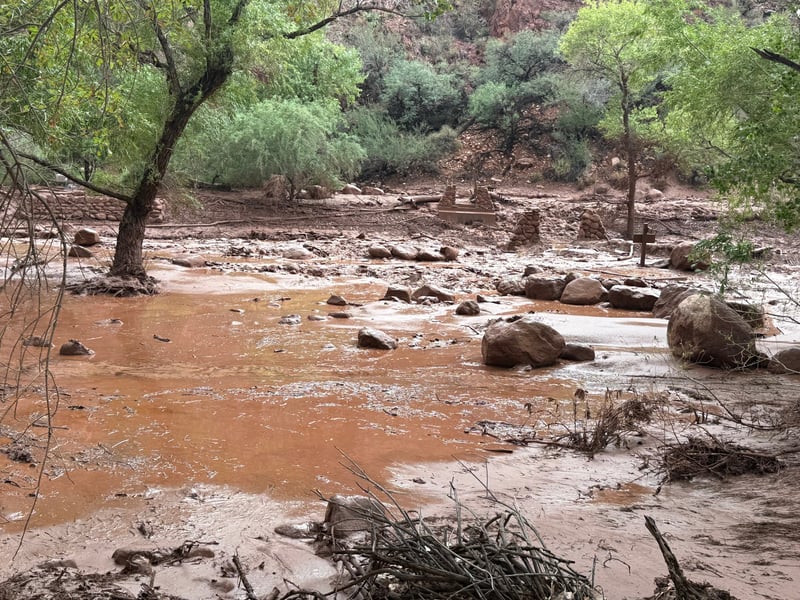

KATHMANDU – The pilgrims came to walk a sacred circle. At Mount Kailash, a 6,638-meter peak straddling the Nepal-Tibet border that draws Hindus and Buddhists from across Asia and beyond, completing the 52-kilometer circumambulation is considered a rite that washes away a lifetime of accumulated sin. This week, many of the pilgrims who made that journey are not coming home.
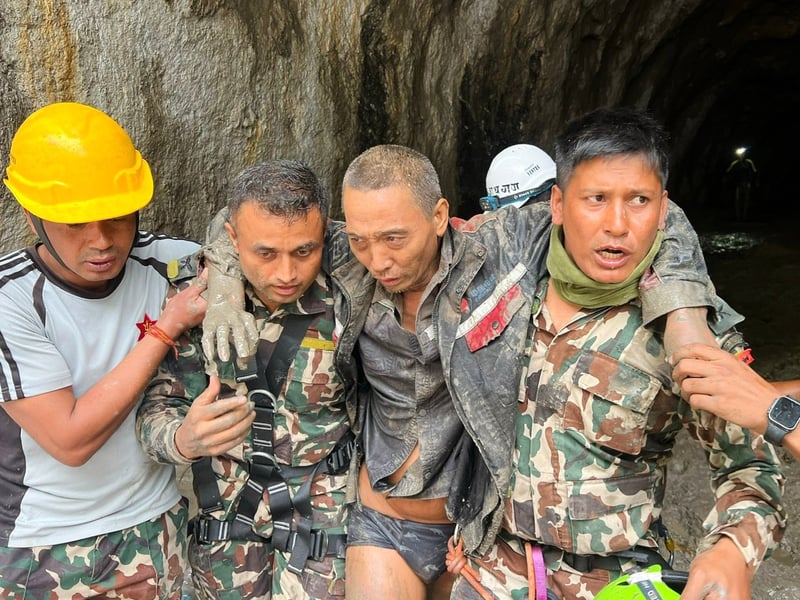
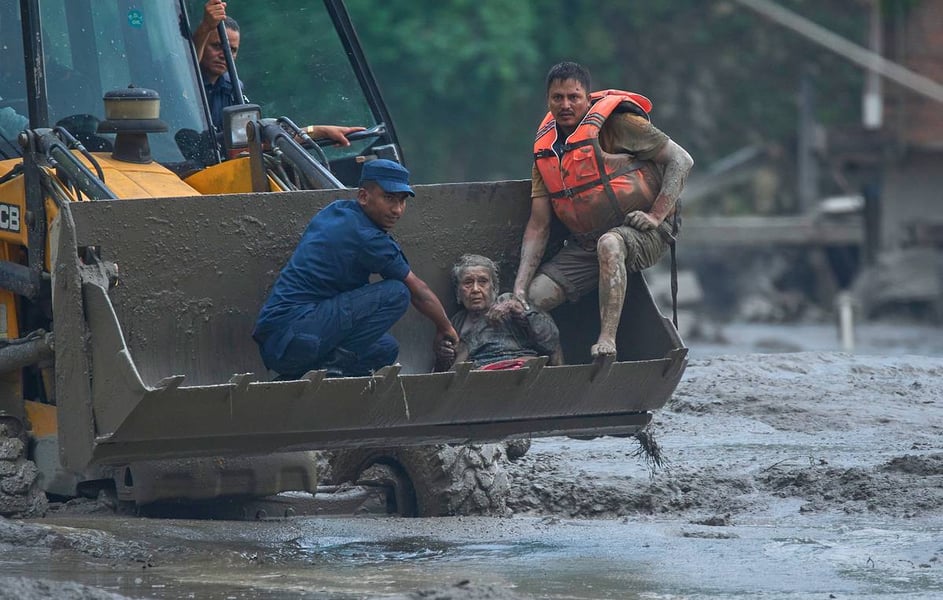
The catastrophic flash floods that struck the borderlands of Nepal and China’s Tibet Autonomous Region on Tuesday have killed at least 390 people, with more than 1,400 still unaccounted for as search teams struggled Thursday to reach isolated valleys where entire villages were swept away without warning. Among those missing are nationals from more than 30 countries, including at least 65 Americans, more than 33 British nationals, and 24 Canadians — many of them pilgrims who had been at high-altitude campsites near Mount Kailash when the waters came.
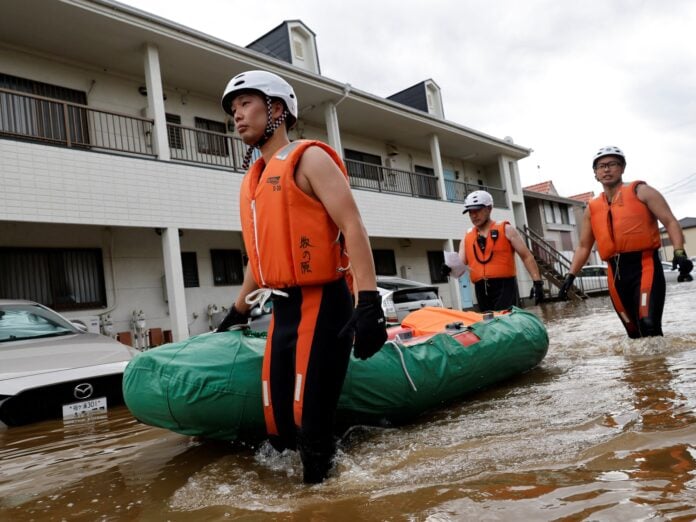
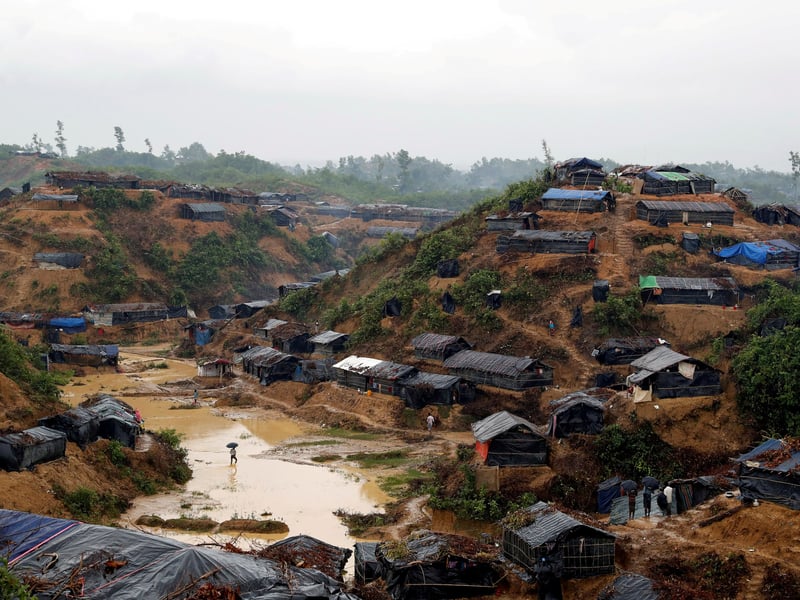
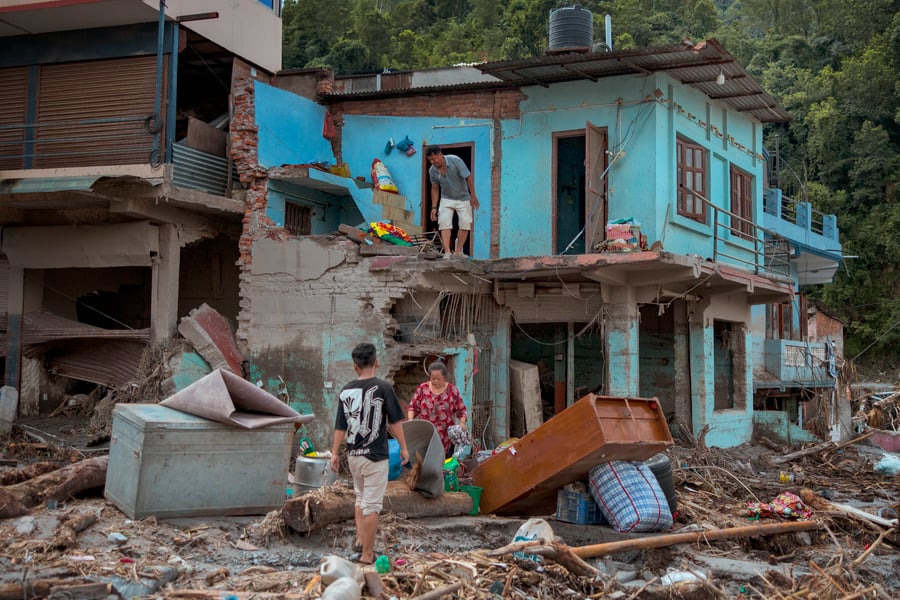
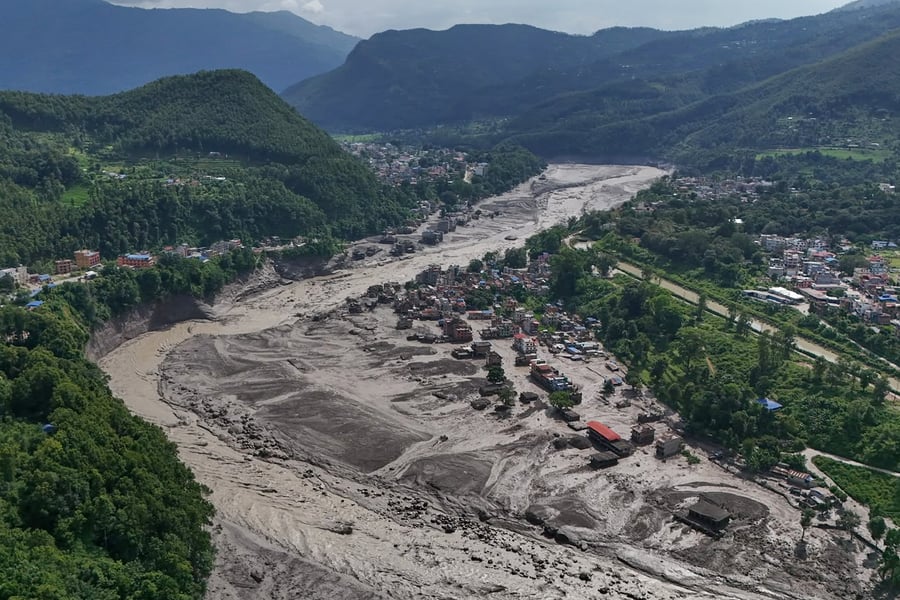
The International Federation of Red Cross and Red Crescent Societies said at least 10,000 families have lost their homes. Field teams reaching the most accessible parts of the disaster zone described settlements that had “simply disappeared,” absorbed into the rivers of the Karnali basin and its tributaries. Roads connecting Kathmandu to the northern districts remain severed, slowing both evacuation flights and the movement of emergency supplies, the UN Office for the Coordination of Humanitarian Affairs confirmed.
Approximately 900 foreign nationals are unaccounted for in total. The figure reflects the region’s draw: northern Nepal and the pilgrimage routes to Mount Kailash attract thousands of international visitors each season. For the families waiting in California, London, Delhi, and Kathmandu, the number is not statistical — it is one missing face.
China confirmed at least three deaths and 265 missing within its territory in the Tibet Autonomous Region. Chinese emergency authorities warned Thursday that a debris-formed overflow lake, created by flood material damming a river gorge, poses a secondary hazard: if the dam breaches, a second water surge could reach communities that survived the initial disaster. PLA engineering brigades were deployed to stabilize the natural dam.
Scientists analyzing satellite imagery released preliminary findings pointing to a glacial lake outburst flood as the primary trigger. Glacial lakes accumulate in basins left by retreating glaciers; when the natural ice or rock dam holding them fails, they can release enormous volumes of water within minutes, with almost no warning for downstream communities. The Himalayas contain the world’s largest concentration of mountain glaciers outside the polar regions, and researchers have documented accelerating glacial lake instability over the past decade, directly linked to rising temperatures at high altitude.
The Nepalese government declared a state of emergency in five northern districts. Officials described the disaster as the worst humanitarian event in Nepal in more than a decade, exceeding the toll from the 2023 monsoon floods that killed over 200 people. The Nepalese Army deployed helicopter units to reach ridge communities where roads have been buried or washed out entirely.
The precise sequence of events that triggered Tuesday’s cascade has not been established. Nepalese meteorological authorities confirmed unusually heavy pre-monsoon rainfall in the 48 hours preceding the floods, which stressed river systems across the northern valleys. Whether a specific glacial lake breach was the initiating event — or whether surface runoff overwhelmed drainage capacity first — field teams have not yet determined. That distinction matters: early-warning systems across the region are calibrated around identified glacial lakes, not general precipitation events. And the question has implications that reach beyond Nepal, because India sits downstream from much of the Himalayan watershed, drawing freshwater from rivers fed by glacial discharge and snowmelt.
India-US nuclear energy cooperation talks held this week in Washington included discussions of clean energy resilience — a conversation that takes on sharper edges when the Himalayan water systems those energy plans depend on become less predictable with each passing season.
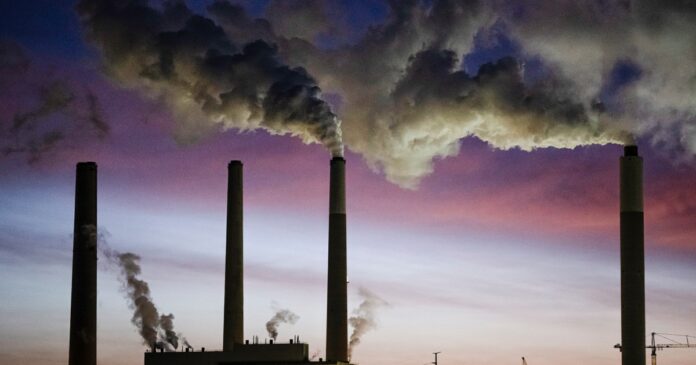
For climate scientists, the disaster fits a pattern rather than representing an outlier. Nepal is among the nations most exposed to the consequences of glacial retreat, driven overwhelmingly by emissions from industrialized economies far from the Himalayas. Nepal has repeatedly called on international climate forums for dedicated financial support for mountain nations confronting losses they did not cause. Whether this disaster generates that support, or joins the growing ledger of unaddressed climate debt, is not yet clear.
What is known is that the floods exposed a gap that has been visible for years: the Himalayan early-warning infrastructure covering Nepal, Tibet, and the downstream countries is incomplete relative to the scale and speed of the hazard. When a glacial lake outburst happens, the interval between the dam breach and the first water reaching a populated valley can be measured in minutes. In some of the valleys hit Tuesday, that interval may not have been long enough for any warning at all. The rescue teams still working their way toward the most isolated sites will find what is left.