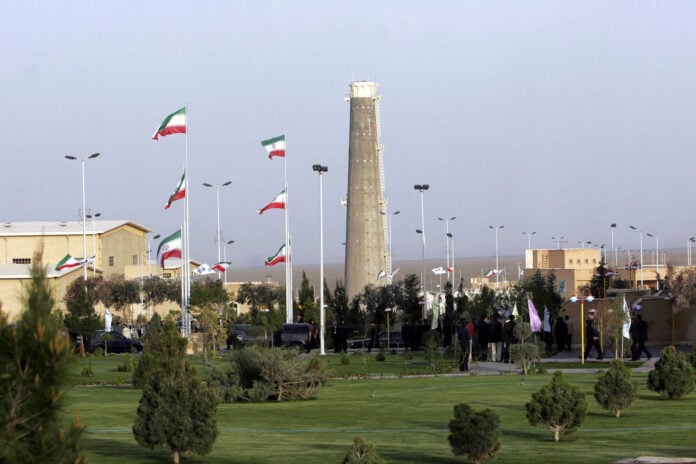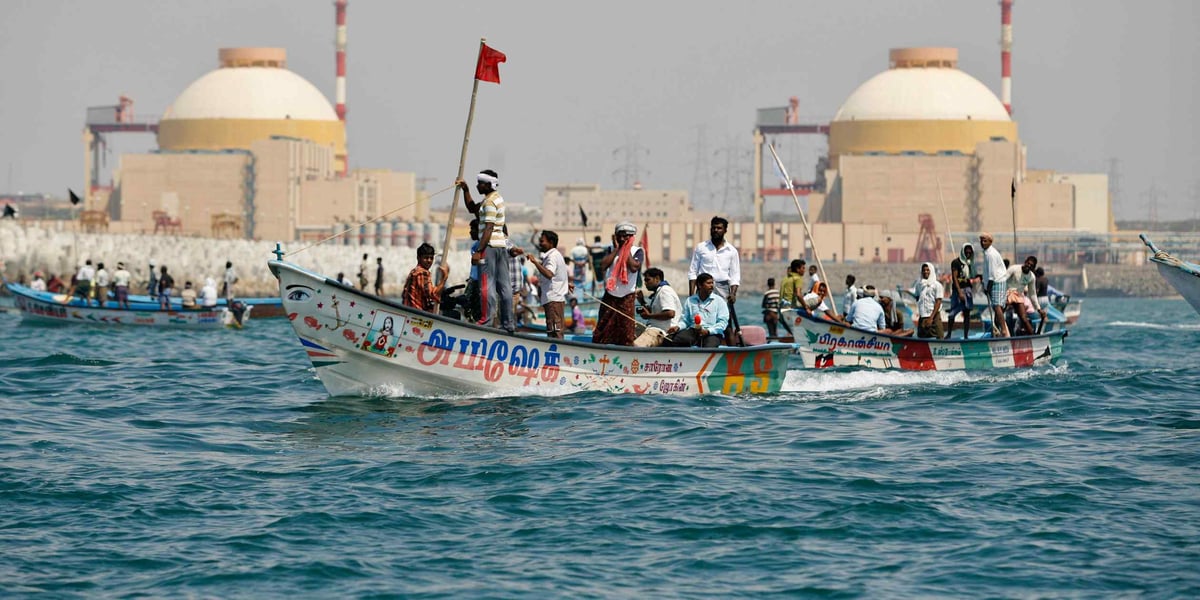

WASHINGTON — The equation haunting India’s nuclear ambitions for two decades is both simple and unresolved: a country of 1.4 billion people needs electricity at a scale that coal alone can no longer provide, and the civilian nuclear framework that was supposed to unlock American reactor technology is still, in 2026, producing consultations rather than construction.
Senior officials from India’s Department of Atomic Energy and the US Department of Energy met in Washington on Wednesday and Thursday for what diplomatic sources described as the most substantive technical exchanges in the bilateral nuclear relationship since the 123 Agreement was signed in 2008. The agenda covered reactor siting, technology transfer protocols, and, with greater directness than previous rounds, the Civil Liability for Nuclear Damage Act, India’s 2010 legislation that has effectively frozen American vendors out of the world’s fastest-growing nuclear market for fifteen years.
India has declared a target of 100 gigawatts of nuclear capacity by 2047, up from approximately 7,480 megawatts today. The gap between those two figures is not an engineering problem. It is a commercial and political one.
The talks coincide with the International Atomic Energy Agency’s preparation to launch ATLAS, its Advanced Technology Lab for Accelerated Safety, a programme designed to accelerate licensing timelines for next-generation reactor designs. India has signalled interest in participating in the IAEA’s advanced reactor programme, and American officials see the framework as a mechanism to harmonise Indian and US regulatory standards without requiring India to adopt American nuclear law wholesale. Without that kind of standards alignment, any US company that signs a contract to build a reactor in India faces years of parallel regulatory approvals in both countries, a timeline that no private company can finance.
Four American firms are tracking the Indian market closely: GE Hitachi, with its BWRX-300 small modular reactor; Westinghouse, whose AP1000 design operates in China and is under construction in Poland; TerraPower, which is building a demonstration plant in Kemmerer, Wyoming; and X-energy, whose Xe-100 design has received US government funding through the Advanced Reactor Demonstration Programme. None of them can currently sign binding agreements with Indian utilities.
The obstacle is the supplier liability clause in India’s 2010 nuclear damage law. Under the legislation, reactor vendors can be held jointly liable with plant operators in the event of an accident, an exposure that no Western company has been willing to accept. American firms operate domestically under the Price-Anderson Act, which caps liability and channels claims through the operator. The Indian law inverts that structure, and indemnification workarounds proposed over the years have not satisfied the industry’s legal departments.
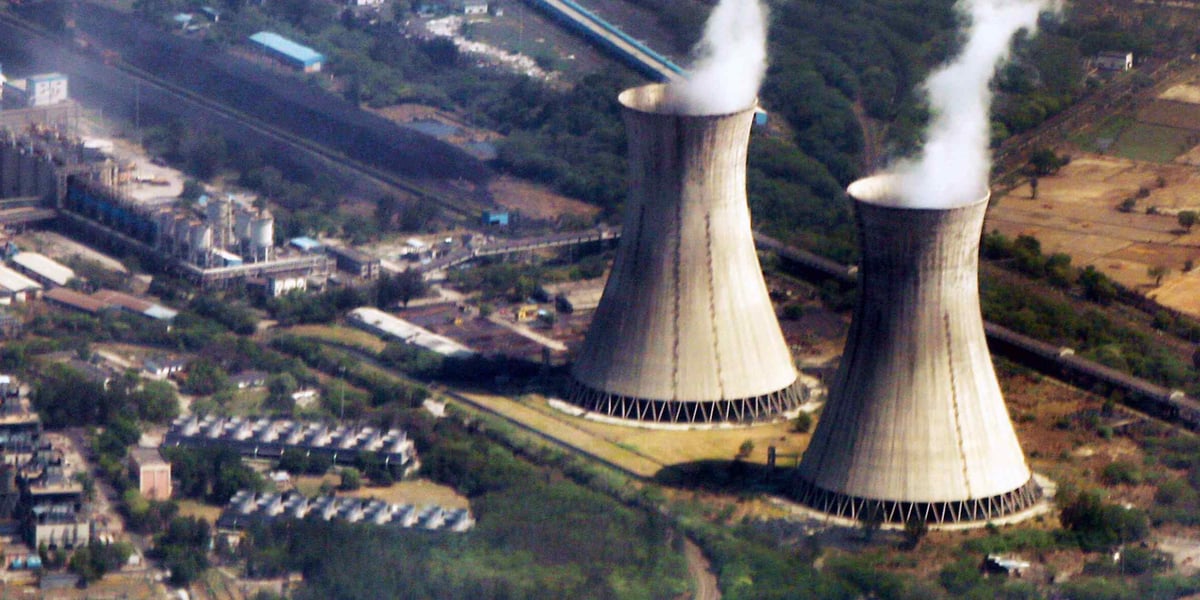
Russia’s Rosatom operates outside that constraint. State backing insulates Russian vendors from the liability calculus that governs private Western companies, and Rosatom is already building six VVER-1200 reactors at Kudankulam in Tamil Nadu with additional units under discussion. India’s management of its energy partnerships, which includes buying Russian crude oil in volume while simultaneously advancing nuclear talks with Washington, reflects a strategic calculation that New Delhi makes no apology for.
What has shifted domestically is meaningful. India’s decades-long prohibition on private sector participation in nuclear power was relaxed in 2024, permitting joint ventures between Indian industrial conglomerates and foreign reactor companies. For US firms that require private off-take agreements and project finance structures, that ownership change was a necessary precondition, and it now exists. The India IT sector, already developing grid analytics software and smart metering systems that advanced nuclear infrastructure will require, creates a downstream commercial logic for partnerships the Washington talks are trying to formalise.
India’s electricity demand is growing faster than any major economy’s, and its 2070 net-zero commitment makes a coal phase-down an eventual imperative. Solar and wind provide variable generation; nuclear provides the baseload that neither intermittency nor weather can touch. The 100 GW target is not rhetorical. It is load arithmetic applied to a country that will have the world’s largest population through the rest of this century.
Whether this week’s conversations produce binding agreements is a question neither government has answered publicly. The liability impasse has survived multiple rounds of high-level bilateral engagement, including direct exchanges between heads of state. India public sector banking gives New Delhi the fiscal capacity to finance nuclear expansion domestically if international commercial deals stall, but at a pace that stretches the 2047 target and the coal transition it is meant to enable. What Indian officials have signalled, without formal announcement, is that the 100 GW goal is not in question. The identity of the companies that will build those reactors is.