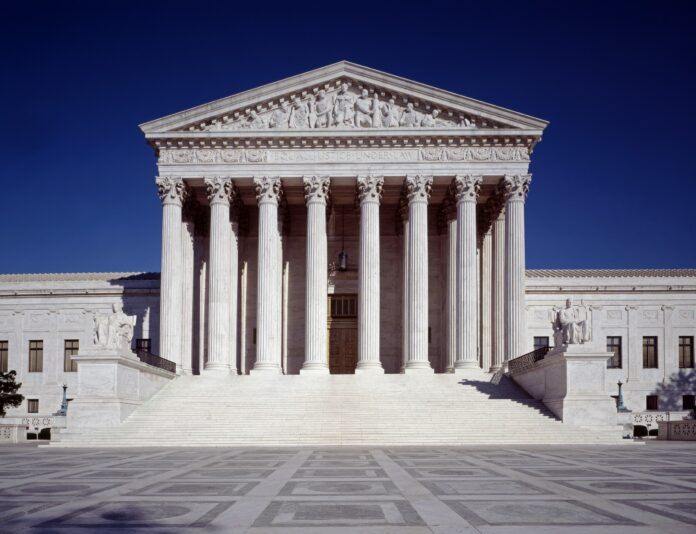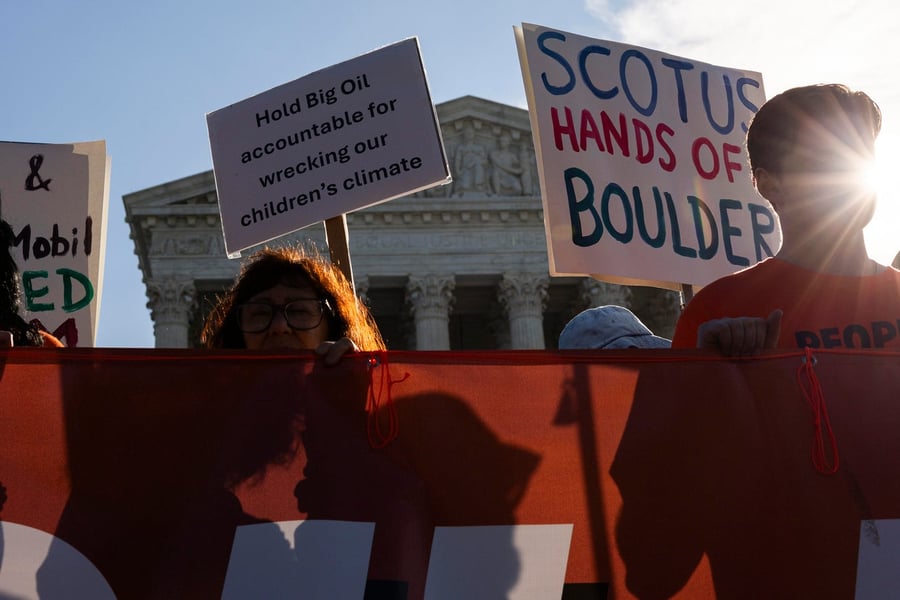

WASHINGTON – Less than an hour after the first warning that a wildfire was heading for her street in Louisville, Colorado, Tawnya Somauroo’s home was ash. That was in 2021. On Monday, after nearly five years spent rebuilding and preparing for the next blaze, the Supreme Court opened its new term with the question she has been asking ever since: who pays for a disaster like hers?
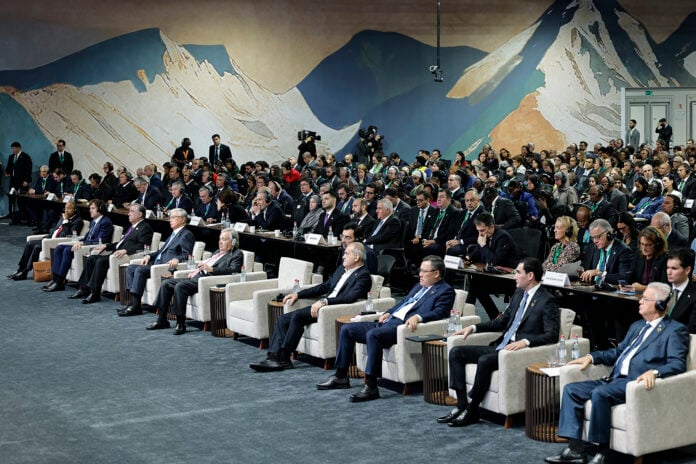
Eight justices spent nearly two hours on it. Exxon Mobil and Suncor Energy want the court to end a lawsuit by the city and county of Boulder, which says the two companies misled consumers about the climate harm their products cause, NBC News reported. A ruling is expected by summer 2027 and could decide the fate of dozens of similar suits across the country. With one justice missing, a tie would let Boulder’s case go forward.
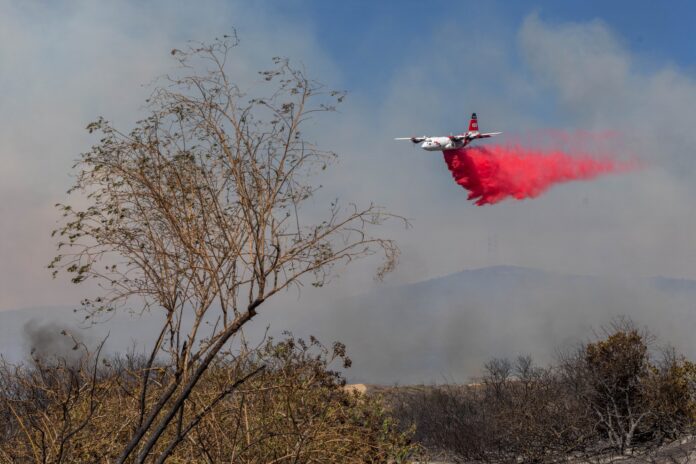
Somauroo, who lives in Boulder County, told the Associated Press that the fire left residents to fend for themselves. “We lost our homes and they left us to figure out for ourselves how to make our neighborhoods safe again,” she said. “At the end of the day, it comes out of our pockets, you know? And it does feel like maybe the oil and gas industry should have a part in this.” The Marshall Fire caused an estimated $2 billion in damage, the costliest in Colorado history, and climate change was considered a factor, the AP reported. It is one of the wildfires that now define the state’s summers.

The loudest signal for the companies came from Justice Brett Kavanaugh. He told both lawyers that four decisions dating back to 1972 treat interstate air and water pollution as federal law, adding, “We don’t have to reinvent the wheel, because we’ve said this multiple times,” CBS News reported. Boulder’s answer is that it is not suing over emissions at all, but over deceptive marketing, which the Clean Air Act does not regulate.
The bench was far from united. Chief Justice John Roberts asked Boulder’s lawyer whether, if the city prevails, “the next day a municipality in every single state will file a lawsuit.” Justice Sonia Sotomayor countered, “The Clean Air Act does not regulate marketing or advertising of fuel, correct?” Justice Ketanji Brown Jackson told Harris that the court’s review looked premature. “It feels like we don’t really know enough to be confident that the theories that you are proposing are actually applicable here,” she said. Kevin Russell, Boulder’s lawyer, said the suit “requires them to internalize a portion of the cost of their activities by paying for some of the damage,” according to the Washington Sun. Boulder points to heat, drought, floods and fire.


Nobody agrees on how large the stakes are. NBC counts more than two dozen similar suits, the Denver Post about 30, and Shanmugam told the justices there are about 60, Vox reported. The companies warn of damages in the billions of dollars, a figure they have not tied to any court finding. States are not waiting for the justices: Louisiana has already barred climate damage suits in its state courts, with carve-outs for its own parishes.
The companies’ fallback is that Congress settled the matter in the Clean Air Act, which they say displaces Boulder’s claims. Kagan called that “the more natural and simpler route” if the court sides with them. Russell replied that it is hard to say the Act preempts anything “when the EPA is saying it lacks the statutory authority” over greenhouse gases. In September the Environmental Protection Agency finalized a partial repeal of the carbon standards for power plants.
Boulder’s best hope is arithmetic. If the court splits 4 to 4, the Colorado Supreme Court’s 2025 ruling for Boulder stands and the 2018 case finally heads toward trial. NBC saw no consensus on the bench, and the three liberal justices seemed more sympathetic to Boulder, so it needs only one of the five remaining Republican-appointed justices. A win for Boulder would not mean a win on the merits; it would only keep the case alive.
The unanswered question is whether the court will decide anything at all. Several justices circled jurisdiction, and no final judgment exists in Boulder’s case. A dismissal on that narrow ground would send it back to Colorado and leave the larger fight, including the campaign against climate attribution science, for another day. For Somauroo, the answer will not come before next summer.