
BATON ROUGE — The Louisiana parishes that have spent the past decade suing oil and gas companies over coastal erosion just won a permanent exemption from the law their own governor signed Thursday to stop suits like theirs. That is the strange shape of HB 804, the Louisiana Energy Protection Act, the bill the Pelican State has chosen as its closing argument in the national fight over whether climate science belongs in a courtroom.
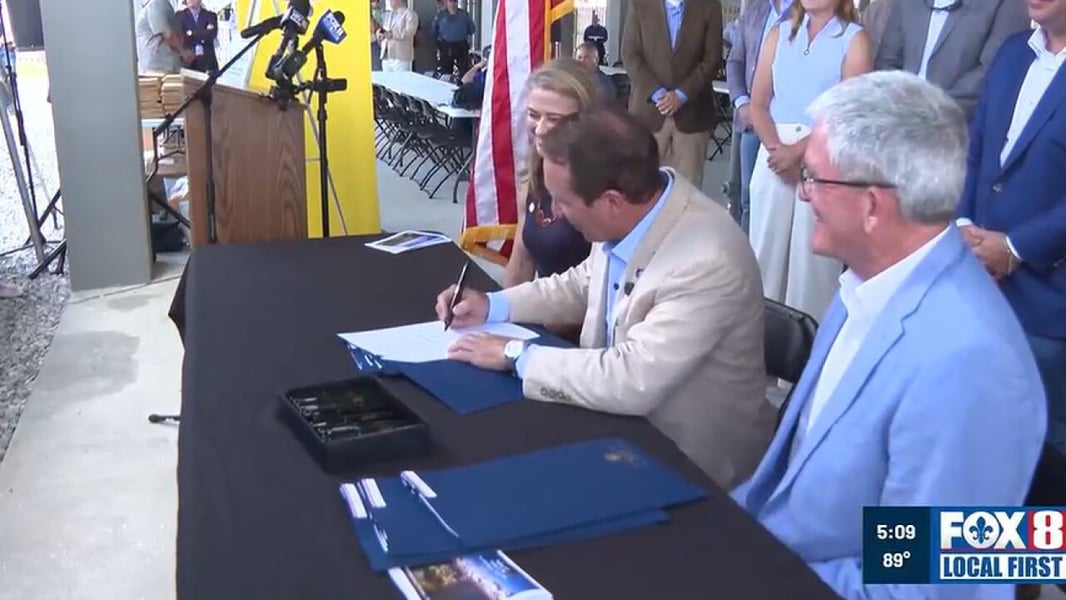
Governor Jeff Landry signed the measure into law, closing the door, he said, to frivolous litigation. The law bars civil lawsuits in Louisiana state court that seek damages for personal injury, property loss or economic harm explicitly tied to greenhouse gas emissions and global climate change. In signing the bill, he said, basically it says that people can’t theorize the fact that climate change is manmade and then take that as a theory and hold those companies that are producing energy liable for that. The law does not touch suits over permit violations, workplace safety or government-mandated emission caps; it removes only the rising body of cases that ask courts to assign liability for warming itself.
The bill’s sponsor was Representative Brett Geymann, a Republican from Lake Charles whose district sits at the heart of the state’s petrochemical corridor, and the votes that sent it to Landry were nearly unanimous. The House passed it 92 to 5; the Senate cleared it 31 to 3. Tommy Faucheux, who runs the Louisiana Mid-Continent Oil and Gas Association, said the industry was too important to be brought down by frivolous litigation, and that legitimate claims could still be filed. The legislature’s verdict on the question of which suits qualify as frivolous was effectively unanimous.
Beneath that consensus sits the carve-out that changed the bill’s substance. In late May the Senate adopted an amendment, agreed to with what Natural Resources Committee chair Bob Hensgens described as the bill’s stakeholders, that grandfathered every climate-related lawsuit filed before the act’s effective date. That phrase covers the cases that worry the industry most: the long-running suits brought since 2013 by Louisiana parishes against oil and gas companies over the canals they cut through the marsh, suits that argue the energy industry’s own infrastructure accelerated the land loss now drowning South Louisiana. Those cases keep walking. New ones do not get to file.
The conservative outlets that follow this fight closely have noticed. The Daily Caller called the amendment a last-minute activist concession that hobbled what they had hoped would be a clean liability shield. The reading is partly right. The original bill, before the Senate softened it, would have erased pending suits along with future ones, and that would have wiped roughly $4 billion in jury awards a state appeals court had already begun to validate. The amendment was the price the bill paid to pass, which is also the reason it passed.
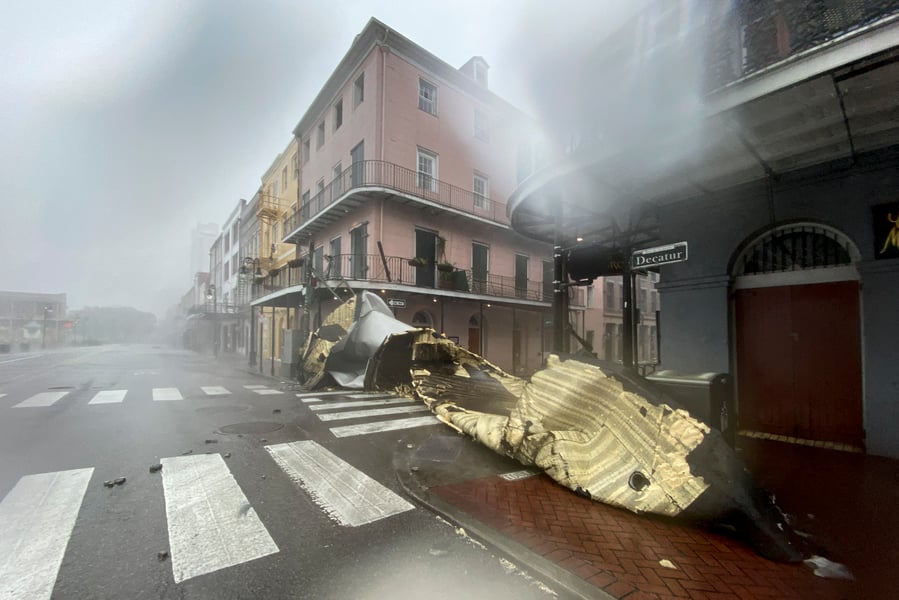
The national context is what makes the law more than a state story. Climate liability cases now run in at least a dozen US jurisdictions, Al Jazeera reported, the largest of which is Multnomah County’s $51.5 billion claim against fossil fuel companies for the 2021 Pacific Northwest heat dome that killed 69 people. Those cases lean on attribution science, the field that calculates how much climate change made a specific disaster more likely, and the National Academies of Sciences is due within weeks to publish a forthcoming review of that field, the same review an industry-allied campaign has spent 19 months trying to discredit. Louisiana’s law is a parallel approach to the same problem: keep the science out of the courtroom by closing the courtroom.
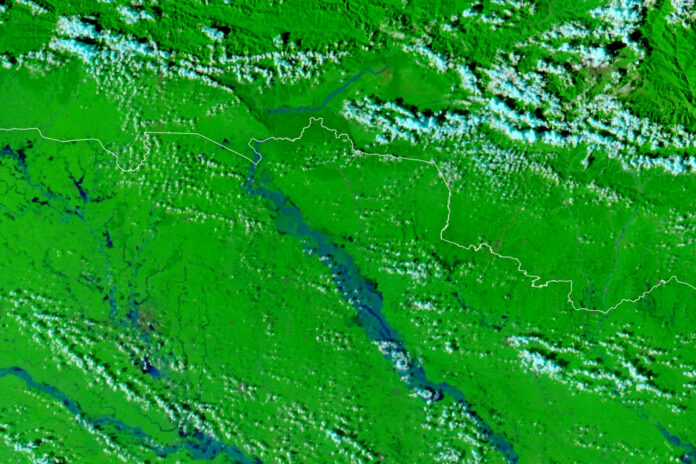
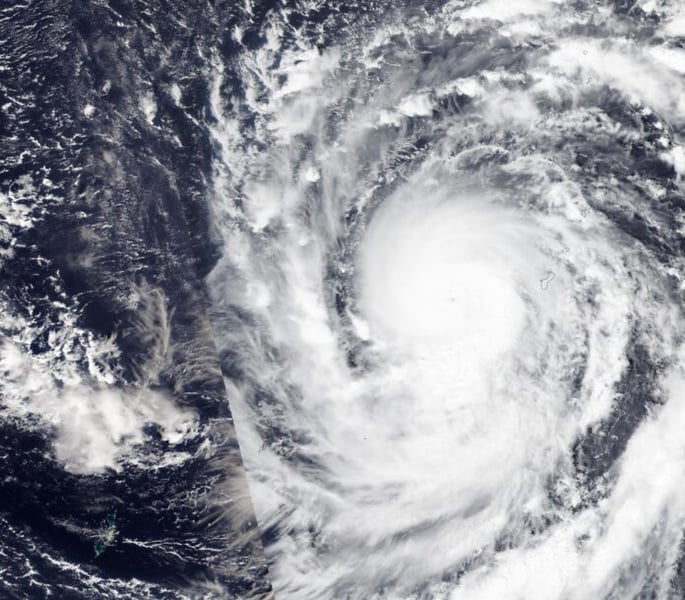
The geography is its own argument. The state that just banned future climate suits is also the state that has lost roughly 2,000 square miles of coast since the 1930s and continues to lose, by widely cited estimates, the equivalent of a football field of land every 48 minutes. Hurricane Ida flattened parts of the Louisiana coast in 2021 and Hurricane Francine reached land last fall; the petrochemical complex that lines the Mississippi River from Baton Rouge to the Gulf is built on ground that is sinking under heavier rain. The parishes that filed the surviving suits are arguing, in court, that some of the damage on those balance sheets was caused by the companies whose canals scored the marsh. The new law cannot reach those arguments. It just stops the ones not yet made.
Environmental groups have read the bill as an industry shield rather than the legal-housekeeping measure Landry described, and the legislative arithmetic backs that reading. A measure that 92 House members and 31 senators can agree on in Louisiana is usually a measure the industry has built consensus around, and the oil and gas association’s vocal support left no doubt about whose interests carried the day. The activist concession on legacy suits was the price of unanimity, not the heart of the bill.
What the law actually does in practice will turn on litigation it is now designed to prevent. Other states are watching. Texas, Oklahoma and West Virginia have all considered similar measures, and oil-producing states with smaller climate-suit dockets may use Louisiana’s text as a template. The first test will come if a Louisiana parish or city, faced with a new flood, tries to file a fresh suit against a company that helped build the conditions for it. The Energy Protection Act says that case does not begin. Whether it stays said is a question for the state supreme court, the conservative composition of which the bill’s authors clearly counted on. The same fight has already reached the federal level, with Euronews reporting that the US Supreme Court has agreed to hear an industry challenge to a parallel set of state climate suits.
The federal layer is moving in the same direction. Earlier this year the EPA transmitted four California emissions waivers to Congress under the Congressional Review Act as part of a broader effort to roll back the regulatory authority that climate suits ultimately depend on, and a federal appeals court is still weighing whether the 2009 endangerment finding that underpins greenhouse-gas regulation survives. The science the courts are being asked to ignore is the same science a separate international team of 70 researchers put at 1.37 degrees Celsius of human-caused warming this week. Louisiana’s law does not dispute the temperature. It only removes the venue.
The honest uncertainty is whether any of this slows the larger litigation wave. State law cannot bar cases filed in federal court, which is where most of the high-profile climate suits are now venued, and a determined plaintiff with a federal claim can usually find a federal forum. Louisiana’s act narrows the field rather than closing it. It also concedes, in the very act of carving out the legacy suits, that the parishes know something the legislature did not want the next round of plaintiffs to learn. The football fields the state keeps losing every 48 minutes are not waiting on the courts.