
WASHINGTON — Kevin Smiley found out from a reporter. The Louisiana State University sociologist, one of the researchers studying how climate change sharpens extreme weather, learned only when contacted for comment that his university had already searched his emails and handed hundreds of pages to an opposition research firm he had never heard of. The firm knew his correspondence better than he did.
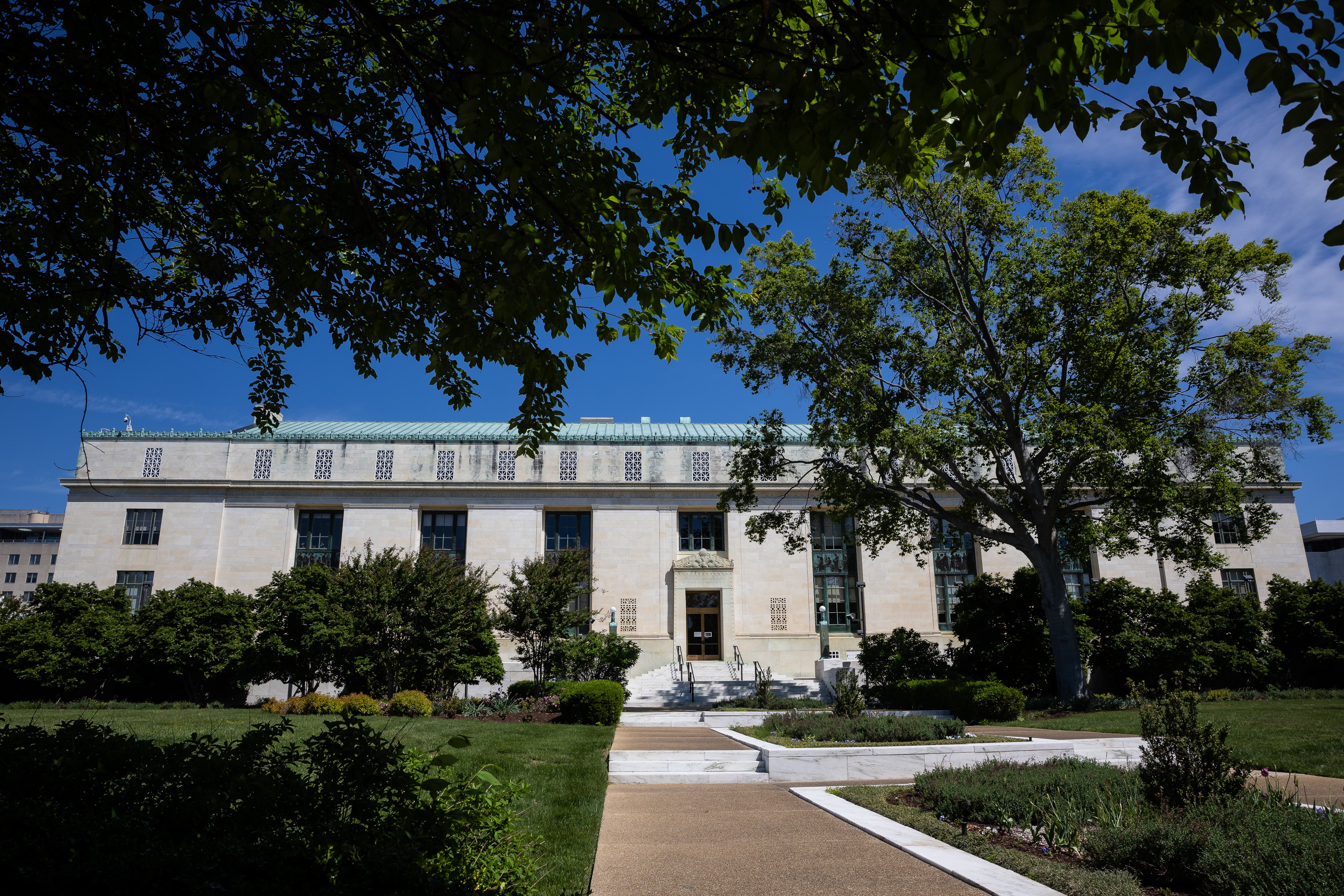
The firm is Argus Insight, founded in 2023 by White House aides from Donald Trump’s first term, and Smiley’s inbox is one stop in a much larger sweep. An investigation published Thursday by Politico’s E&E News documented at least nine open records requests the firm has filed with public universities, all aimed at scientists connected to a single forthcoming study: a National Academies of Sciences report on extreme weather attribution, expected as soon as this month.
What makes one scientific review worth that effort is not the science. It is the courtroom. Attribution research calculates how much climate change raised the odds or the intensity of a specific disaster, which makes it the load-bearing evidence in a fast-growing class of lawsuits seeking to charge fossil fuel companies for climate damages. One 2022 analysis put the industry’s exposure at more than $100 billion in the most severe litigation outcome, and more than a dozen new liability cases have been filed since. Under the Daubert standard, American judges weigh whether a scientific method enjoys broad acceptance before letting it near a jury. A blessing from the National Academies, whose attribution review updates its landmark 2016 assessment, is close to the strongest acceptance signal American science can produce.
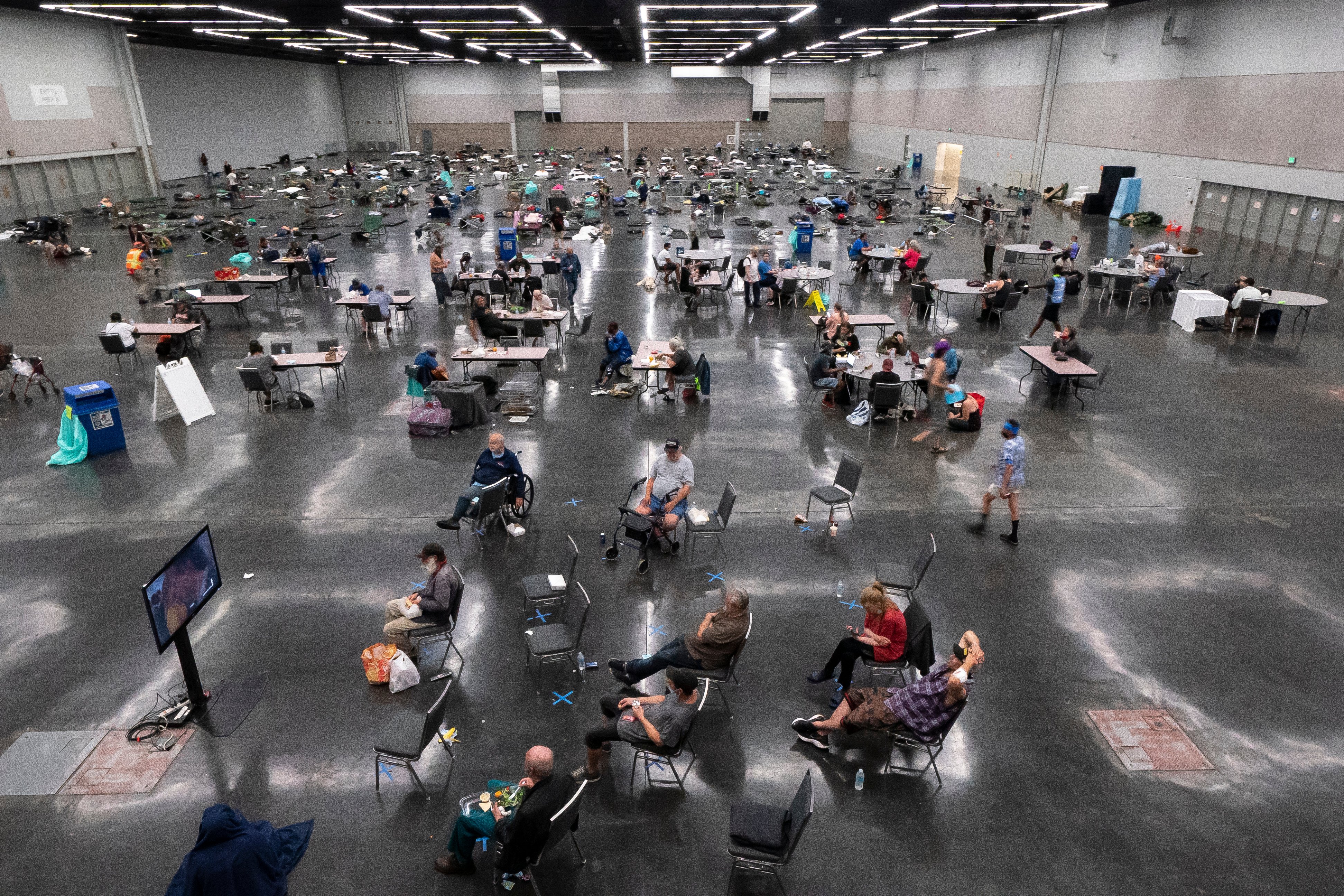
Alice Hill, a former federal prosecutor and California judge who later steered climate policy in the Obama White House, told E&E News the goal is to keep attribution science out of court and shield fossil fuel companies from liability, and that a National Academies endorsement could be a huge factor in liability lawsuits precisely because judges respect the institution. The clearest test case is in Oregon, where Multnomah County is seeking $51.5 billion from oil and coal companies over the 2021 heat dome that killed 69 people, leaning on a study that found the heat wave would have been virtually impossible without climate pollution.
The campaign has moved on multiple fronts at once. Roger Pielke Jr., a scholar at the American Enterprise Institute, accused the Academies of stealth advocacy for climate litigation in a November 2024 Substack post, a charge amplified as a devastating expose by Government Accountability and Oversight, a group that has taken at least $1.5 million since 2020 from the foundation of coal executive Joseph Craft III. Energy in Depth, a website run by the Independent Petroleum Association of America, declared the panel staffed with activists seeking to take down the oil and gas industry. In April, House Science Committee chair Brian Babin of Texas, joined by two subcommittee chairs, demanded the Academies turn over all records on how the panel was created and its members chosen, warning the report will likely influence significant litigation.
The pressure has already changed the panel. Georgetown law professor Monica Sanders resigned in November 2024, writing that as a practicing attorney she did not want to expose the committee’s work to targeted records requests or discovery. Delta Merner of the Union of Concerned Scientists was removed from the committee on January 2, 2025, the same day Energy in Depth published its attack naming her. The 15-member panel, chaired by Colorado State University atmospheric scientist James Hurrell, pressed on; Hurrell’s documented reply to the first blog post against his committee was a single word: “Ugh.”
Michael Mann, the University of Pennsylvania climate scientist who spent a decade in litigation over attacks on his own work, told E&E News the objective is to intimidate, discredit and set an example for other scientists who might speak up about what the science implies. Dave Jones, a former California insurance commissioner who now runs a climate risk initiative at UC Berkeley, said he had not seen anything like this campaign before, and described it as an effort to undermine accountability for the oil and gas industry. The Academies, for their part, declined interviews; spokesperson William Kearney said the institution is following its normal rigorous processes, including peer review, and discusses public comments on nominations as a matter of course.
The inbox war does not happen in a vacuum. The administration has spent the spring dismantling the machinery that produces inconvenient climate evidence, CBS News reported, dismissing nearly 400 scientists working on the congressionally mandated National Climate Assessment. The Energy Department’s own contrarian climate review drew swift pushback from researchers, Science reported, for recycling claims the field had long since answered. And the instruments themselves are coming out of the water, with the Ocean Observatories Initiative being pulled from the Pacific and Atlantic even as forecasters lean on ocean data harder than ever.
The timing gives the fight its urgency. A potentially record El Niño is loading the dice for extreme weather over the next two years, which means more disasters, more attribution studies and more plaintiffs. The economic stakes are no longer hypothetical either: official accountings of climate damage already done are starting to appear on government letterheads, the raw material of future claims. Every month the report holds, the queue of cases that could cite it grows.
What the campaign has actually found is, so far, thin. Hundreds of pages of internal university correspondence have produced no revelation of misconduct, no flawed method, no smoking gun, only the ordinary friction of committee work and the one-word sigh of a panel chair. That may be beside the point. As Mann’s reading suggests, a records request does not need to find anything to succeed; it needs to make the next scientist think twice before serving.
The report itself is now the only undecided witness. The Academies say it will be released when peer review is complete, possibly within weeks. Whether it arrives intact, whether the two empty chairs on the panel mattered, and whether a judge in Oregon lets a jury hear what it concludes are questions the campaign was built to influence and cannot quite control. Somewhere in a university records office, the next request is already pending.
Related Posts