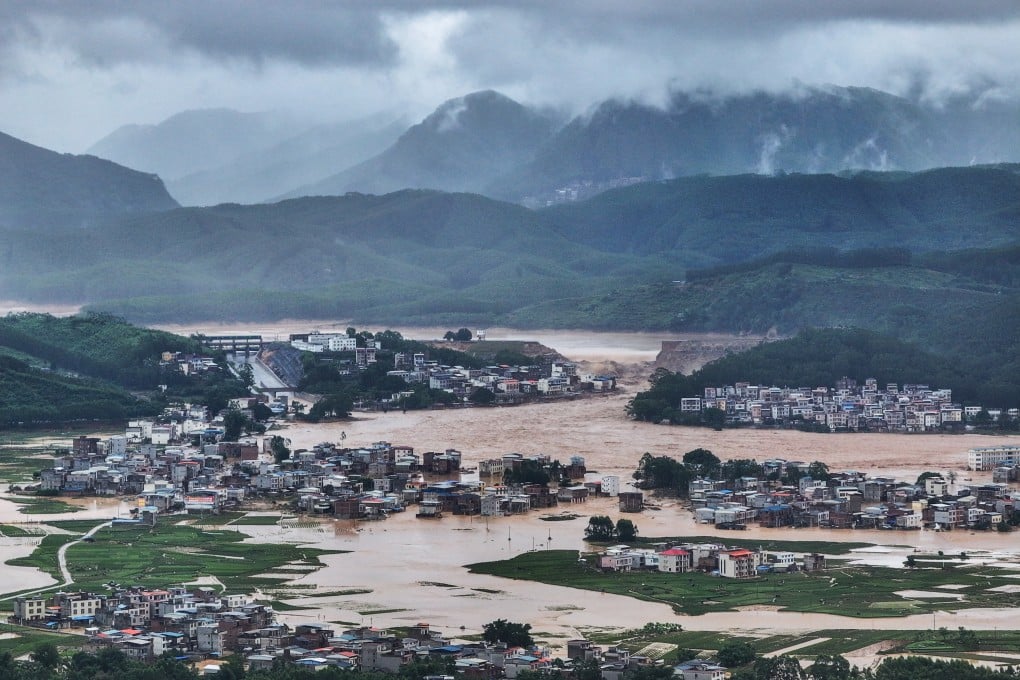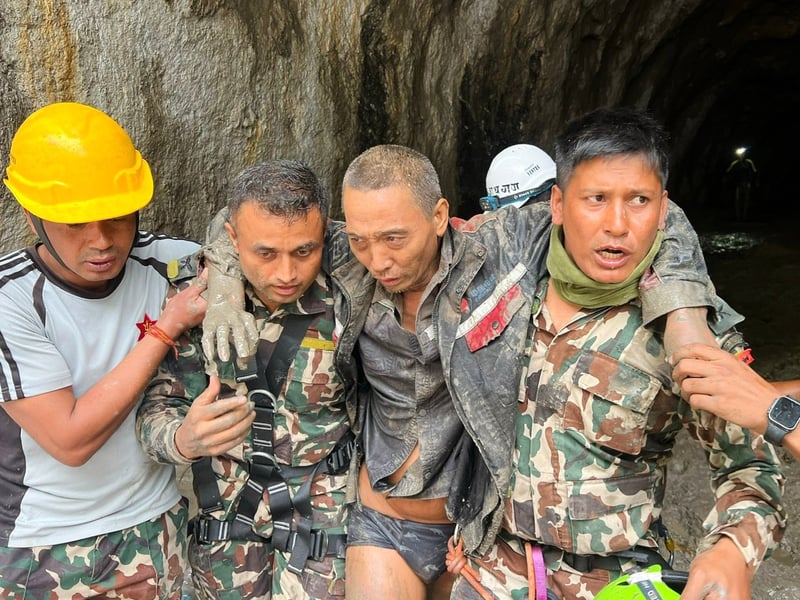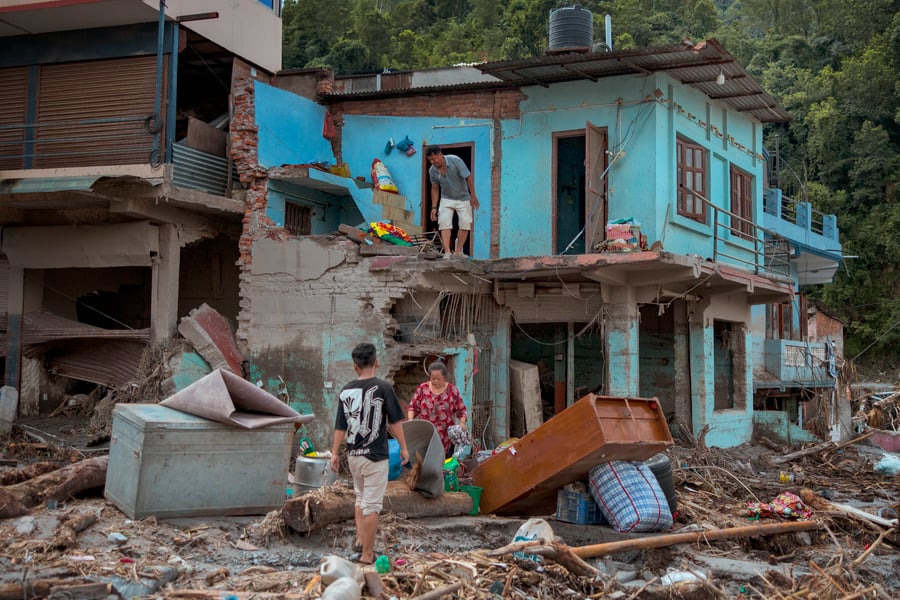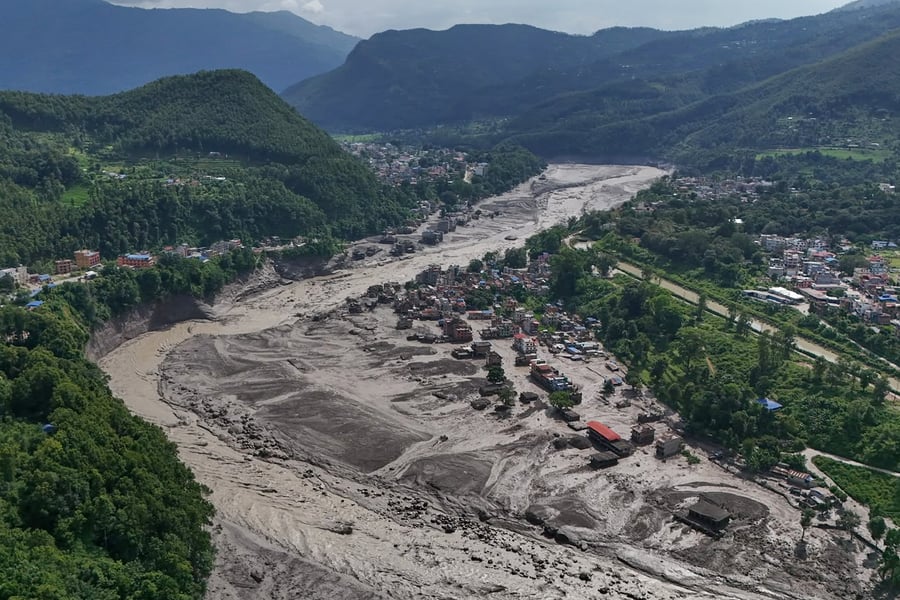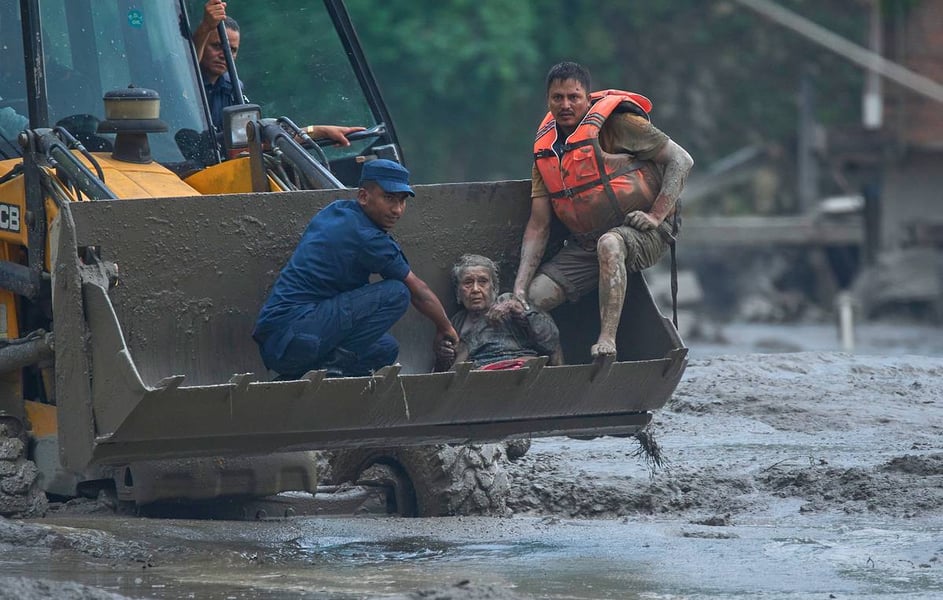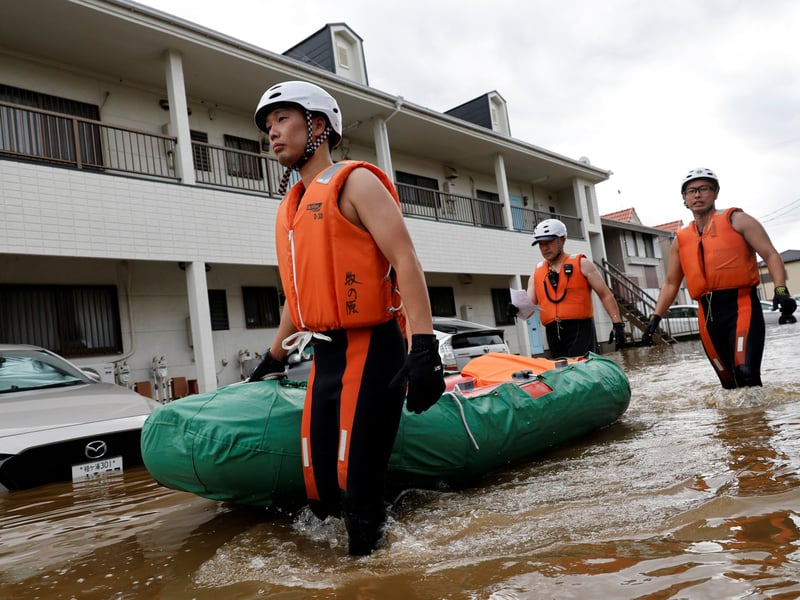

TOKYO – The landslides came without warning in Kanagawa and Chiba prefectures before dawn on Monday, killing at least four people and leaving six others missing after Typhoon Dujuan made its closest approach to Tokyo with maximum sustained winds of roughly 144 kilometres per hour. A woman in her 60s died in Yokosuka. Three further deaths were confirmed in Chiba. By Tuesday morning the storm had moved east into the Pacific, but search teams were still working through debris in mountainous areas of the two prefectures where roads remained impassable.
Dujuan, designated Typhoon No. 25 in the Japanese numbering system, tracked south of Katsuura, a coastal city roughly 70 kilometres southeast of Tokyo, as it pushed through the Kanto region during the overnight hours into Monday. The Japan Meteorological Agency maintained storm and landslide warnings across most of the Kanto plain through the early morning hours before progressively lifting them as the typhoon’s centre cleared the coastline. At least 22 people were injured nationwide.
The heaviest destruction concentrated in areas that have faced successive weather crises this year alone. Chiba Prefecture recorded three of the four confirmed deaths; the prefecture had already seen significant disruption when Typhoon Jangmi struck Tokyo in June, injuring 23 people and forcing the closure of more than 5,300 schools across the Kanto region. Kanagawa, south of the capital, recorded one death. More than 45,000 households across both prefectures remained without electricity as of Tuesday afternoon, as utility crews worked to restore lines cut by landslide debris and fallen trees. More than 460 houses were reported damaged.
Authorities issued advisories urging more than 1.6 million residents to prepare to evacuate as the storm tracked toward the coastline on Sunday. The scale of those alerts reflected the density of the Kanto region, where a significant portion of Japan’s national population is concentrated within reach of the Pacific-facing weather systems that track up the coast during the late-summer season. Japanese officials were monitoring conditions as the typhoon made landfall, as Al Jazeera reported.
The transport disruption had begun before the worst of the storm arrived. Japan Airlines cancelled 135 flights on Sunday; All Nippon Airways cancelled 140 more, leaving a combined 275 flights scrapped and passengers stranded at airports across the Kanto and Chubu regions. Shinkansen bullet train services connecting Tokyo and Osaka were temporarily suspended, with operators declining to confirm resumption schedules until wind readings allowed.
The cultural calendar was also disrupted. Tokyo Game Show, the annual consumer electronics and gaming exhibition held at Makuhari Messe in Chiba and one of the world’s largest such events, cancelled its entire final Sunday after organizers determined that conditions were unsafe for mass gatherings. The public day was expected to be among the most heavily attended sessions of the four-day event.
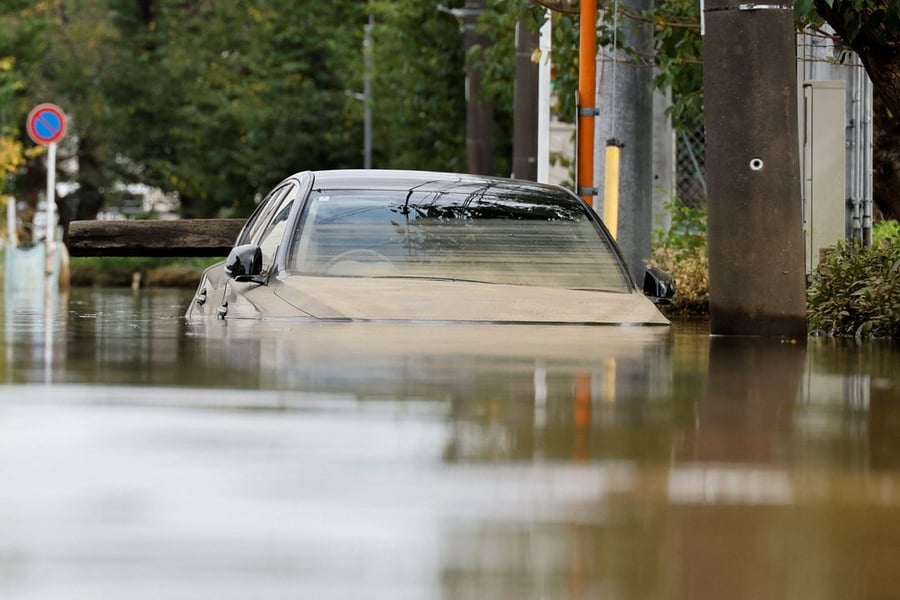
Six people were still missing on Tuesday after Typhoon Dujuan, with most last known to be in parts of Chiba where landslides had cut off roads. Prefectural authorities were coordinating with national disaster-response teams, but difficult conditions in mountain communities were slowing search-and-rescue operations.
The storm’s overall scale was not historically unusual for a Pacific typhoon affecting Japan’s Kanto coast. Its impact, however, came after a series of disasters—including typhoons and earthquakes—had struck Japan since June, leaving less time for communities and infrastructure to recover.
The current death toll may therefore not be final. It will depend on whether search teams can reach isolated areas and locate the missing people in the days ahead.