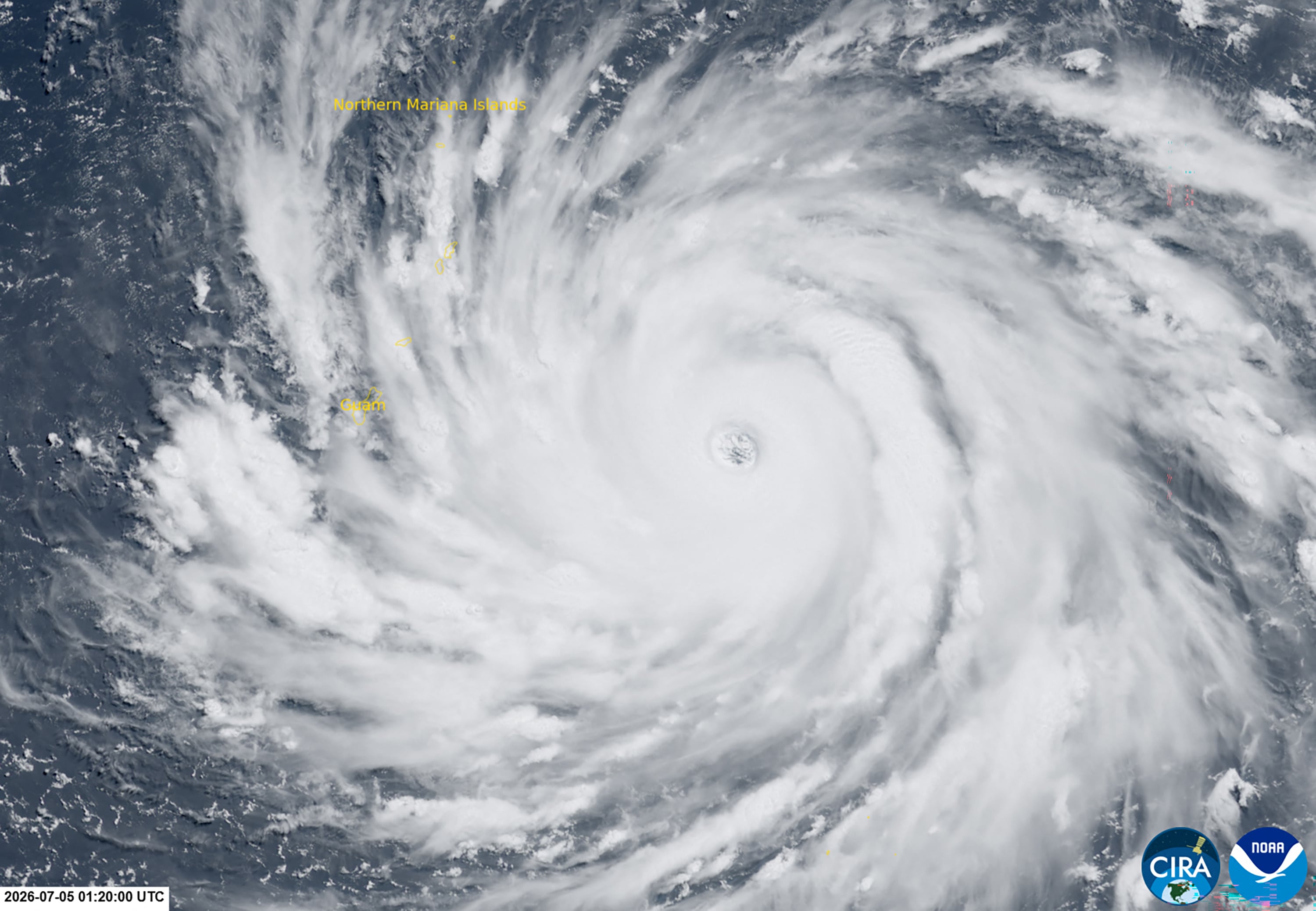

MANILA – Ten people were buried in Malapatan before dawn Friday, their hillside community in Sarangani province destroyed by mud that swept down without enough warning to save them. Five more were killed 200 kilometres to the north, in Lanao del Sur, by the same sodden slope failures that have become routine in Mindanao’s typhoon season. Typhoon Bavi had not touched Philippine soil. It didn’t need to.
The storm, known locally as Inday, entered Philippine waters Wednesday and tracked north while staying offshore, but its outer circulation dragged enough moisture over southern Mindanao to saturate slopes already softened by weeks of monsoon rain. By Friday morning, the Philippine weather service PAGASA was warning that Bavi’s tail end “could bring heavy rainfall and widespread flooding to several areas, including the capital, Manila.”
Malapatan Mayor Salway Sumbo Jr. said parts of the village were still being evacuated as rain continued falling. The ten deaths in his municipality came from a single residential area built on a slope above the main settlement. Rescue workers using earthmoving equipment were clearing debris through the morning, searching for anyone still trapped. Officials in Lanao del Sur confirmed five dead and said communication links to some affected barangays had been severed, with the full extent of damage still unclear.
The Philippines declared a state of calamity in both provinces to speed the release of disaster relief funds. The National Disaster Risk Reduction and Management Council placed response teams on alert across Mindanao and raised flood warnings for the Cagayan de Oro River basin, one of the island’s most flood-prone corridors. Manila placed its metropolitan flood warning system on yellow alert, with Marikina and Malabon identified as at greatest risk of inundation.
Bavi itself is not finished with the region. The super typhoon, which has already prompted Shanghai to close tourist attractions and cancel flights in anticipation of its approach, is now tracking northwest toward Taiwan and Japan. Taiwan’s Central Weather Administration issued warnings for the weekend, predicting 200 to 400 millimetres of rain across the island’s mountainous east as Bavi passes offshore. Earlier reporting on Bavi closing Shanghai sites and cancelling flights across eastern China noted the storm covered 940,000 square kilometres at its peak, nine times the area of Zhejiang province.
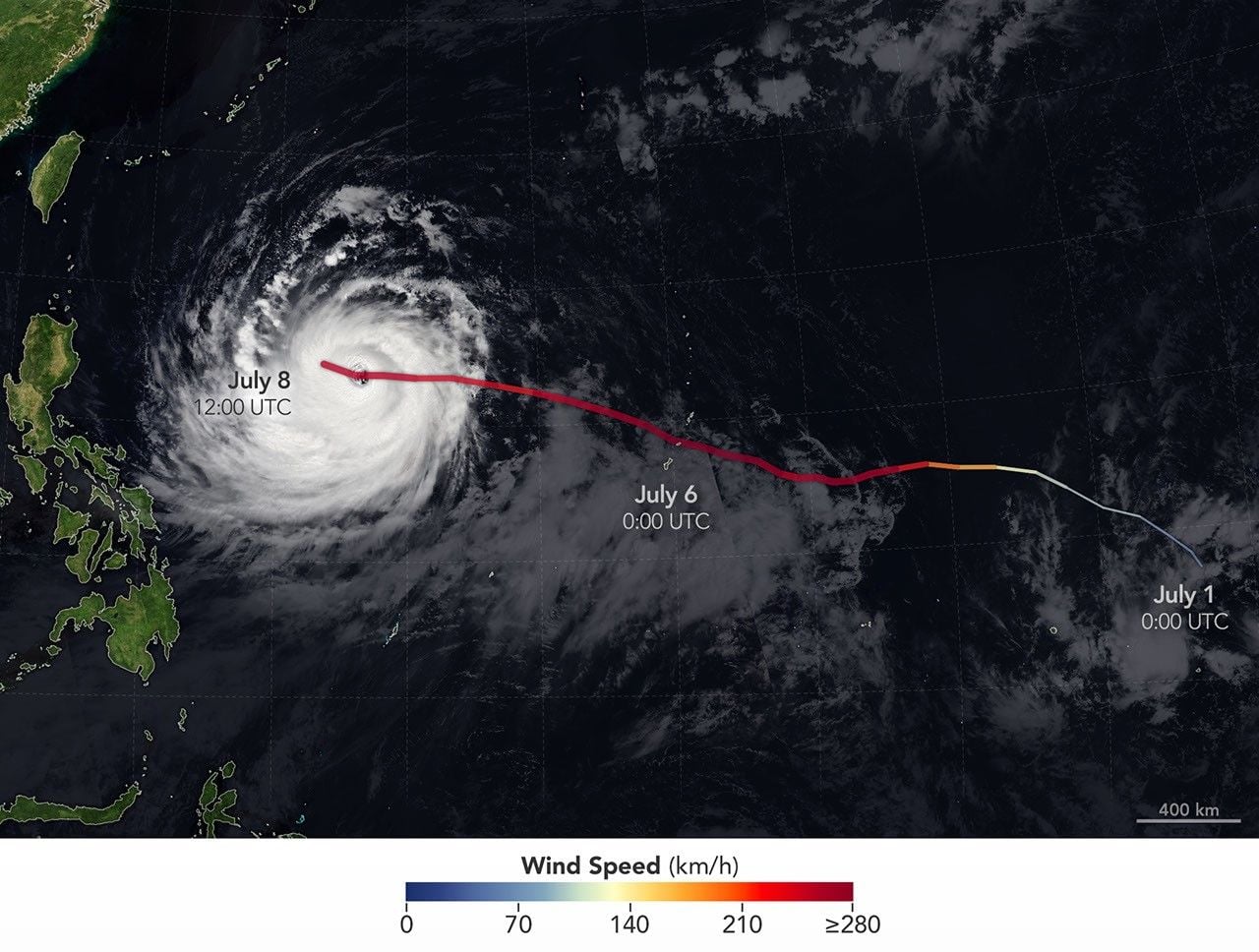
After Taiwan, the storm’s projected path runs toward southern China’s Fujian and Guangdong coasts, where the National Meteorological Center issued its highest pre-landfall alert Friday. Authorities in Fujian ordered fishing boats into sheltered harbours and began evacuating low-lying coastal communities. The landfall is expected early next week, giving Chinese authorities roughly four days to prepare, less time than they had before Typhoon Maysak struck and proved catastrophic when a reservoir dam near Nanning, in Guangxi, failed under flood pressure, killing 39 people.
Sea surface temperatures in the Philippine Sea remain 0.8 degrees Celsius above seasonal averages, providing additional energy for storm intensification. Bavi is the third major typhoon to cross the western Pacific basin in six weeks. Meteorologists have noted that intense systems are forming and tracking earlier in the calendar year than historical averages would predict, with the window for major typhoons extending increasingly toward November.
Japan’s Meteorological Agency, which had already warned of gusts reaching 216 kilometres per hour as Bavi aimed at Japan’s Sakishima Islands and Okinawa on Saturday, kept storm warnings active for the Ryukyu chain through the weekend. Officials said resupply routes to outer islands could again be disrupted. Taiwan’s Hualien County, still rebuilding from a major earthquake eighteen months ago, was identified as particularly vulnerable to flooding from mountain rivers already running high.
For the Philippines, the calculus is familiar and grim. The country averages twenty typhoons annually and its disaster management architecture has improved substantially since Typhoon Haiyan in 2013. But Mindanao’s terrain, steep and partly deforested, with communities built in ravine margins, makes landslide fatalities routine even when storms track entirely offshore. What the Philippines calls the indirect effects of a typhoon, fifteen families in Sarangani and Lanao del Sur would call the storm itself.
As of Friday afternoon, according to Al Jazeera, the death toll stood at fifteen confirmed. Rescue operations continued in both provinces as heavy rain persisted across Mindanao. PAGASA said Bavi’s outer circulation would affect the Philippines through the weekend before the storm moved decisively northwest toward Taiwan, Japan, and China. The question left unanswered Friday evening was whether the slopes above Malapatan had finished moving.