
DENVER – The calls went out Friday evening before most college football programs had time to process what the order actually said. A federal judge in Colorado had ruled that every athlete from the 2022 class who used up their four years of eligibility was now entitled to a fifth season. The scramble was immediate.
Judge Charlotte Sweeney’s order, issued as part of the Wisne v. NCAA case, extended the legal argument reshaping college athletics since 2021. Where earlier litigation had focused primarily on basketball, Friday’s ruling applied the fifth-year standard broadly: to all sports, including the one where a handful of returning players can reshape a roster fastest. College football general managers were already calling former players before Saturday morning, CBS Sports reported.
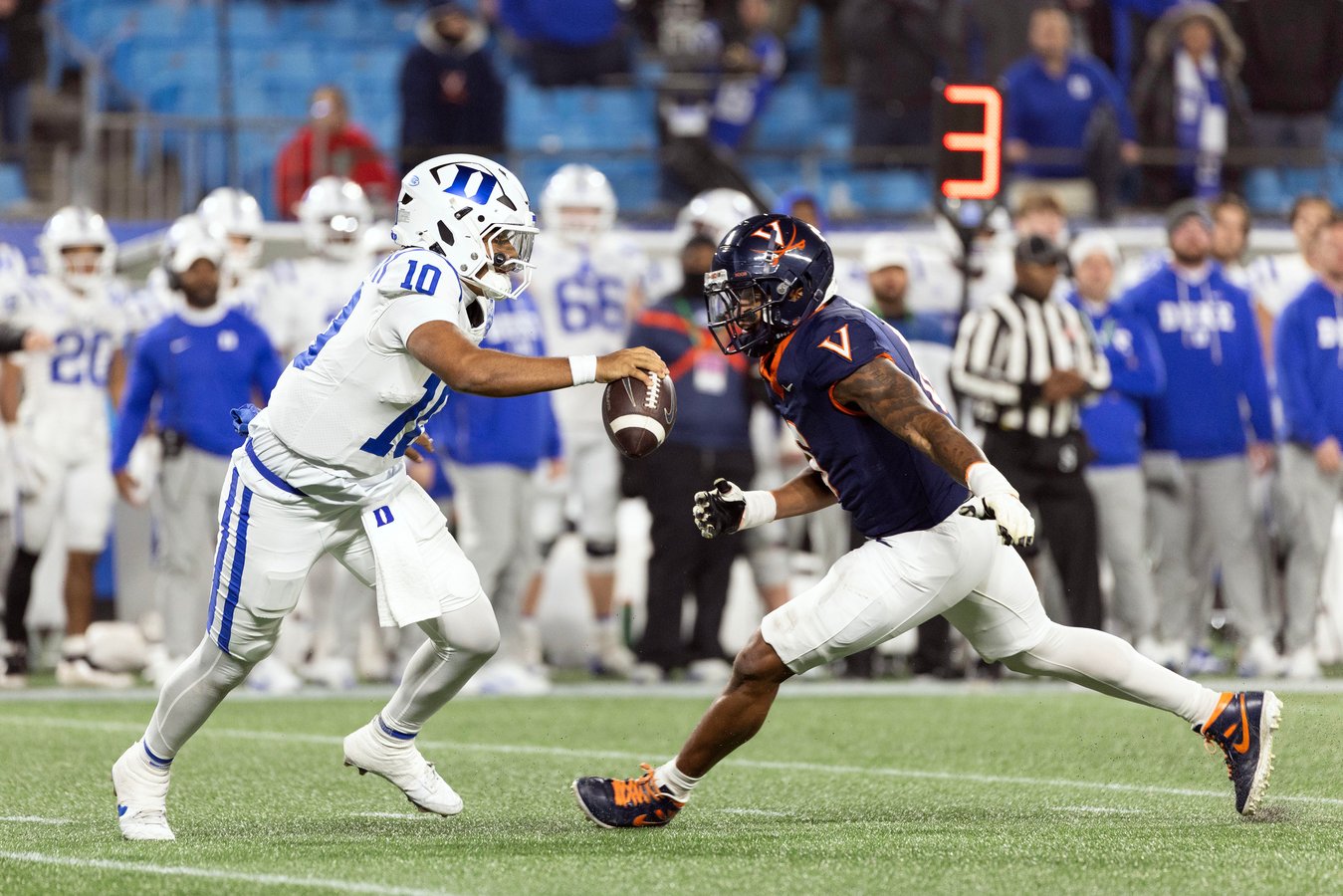
The names emerging as candidates tell you something about who the ruling actually affects. Myles Rowser, a former Arizona State safety, was among those showing interest in a return. Thomas Castellanos, who spent three seasons as Florida State’s quarterback before his eligibility ran out, was another. Cazeem Moore, a defensive end who played at Virginia, rounded out the early list. None of them became the player their programs hoped they would by the time their four years ended. A fifth season, if it holds, is the first time the math has worked in their favor.
Every general manager working through Sweeney’s order was simultaneously working through Charles Bediako. The Alabama basketball center received a similar court-ordered permission to play in 2025. The Crimson Tide had his name on the roster. The Tenth Circuit Court of Appeals then denied his injunction motion, and Bediako’s extra season never happened. The NCAA is expected to appeal Friday’s ruling to that same court, and the pattern from the basketball case is the reason programs were moving carefully rather than fast. NCAA bylaw 12.9.4.2 adds a second layer of exposure: if programs play athletes who are later ruled ineligible, the wins those athletes contributed to could be vacated.
Even without the appeal risk, the practical math is complicated. The 105-player hard cap in college football doesn’t move for a court ruling. Programs that want to add 2022 class players will need to find roster space, which means walk-ons face the prospect of late-season cuts. The transfer portal closed in July. A specific window opens August 3 through August 10; that window exists only for basketball transfers. Players attempting to return under Friday’s ruling would be navigating the process outside standard portal procedure, another layer of uncertainty compliance offices were still parsing on Saturday.
One Power Four general manager offered the clearest financial summary: “If NFL doesn’t matter, I’ve got a lot of money that’s better than camp.” Most 2026 budget allocations were committed months ago. The 2022 class players who qualify for a fifth season are largely the same players who went undrafted last spring, and some of them were at NFL training camp when Sweeney’s order hit. The choice between a court-ordered college return and a long-shot NFL roster spot becomes more complicated when the court order might not survive the month.
The ruling arrived as the college sports regulatory landscape remains unsettled. The Senate’s Protect College Sports Act stalled in negotiations this week with the SEC and Big Ten still waiting on key revisions, and Congress faces an August 7 recess that could shelve the bill indefinitely. The courts have become the primary venue for college athletics reform, and a district court ruling subject to Tenth Circuit review is the least stable form that reform can take.
One consistent thread from Saturday’s reporting was a reality check on scale. Most Power Four programs identified fewer than three former players who meet the 2022 class criteria. Many of those players have been away from football-level conditioning for nine months or more. Coming back in August, with fall camp already running and regular-season games two weeks away, leaves almost no runway to be ready to contribute meaningfully. The physical readiness question narrows the actual pool of returnable players considerably faster than the legal question does.
The contrast with standard transfer portal movement is instructive. Sam Leavitt’s move from Arizona State to LSU under Lane Kiffin gave that program a quarterback with months of preparation behind it. The potential 2022-class returns are a different kind of movement: retroactive, contingent on a circuit court’s decision, and operating on a timeline measured in days rather than months.
The question Friday’s order doesn’t answer is whether any of this amounts to a lasting change or another chapter in a litigation cycle that generates planning chaos and then reverses. Sweeney’s ruling gave every 2022 class athlete a reason to pick up the phone. What the Tenth Circuit does next will decide whether they get to play.