
WASHINGTON — A college quarterback’s ability to earn money off his name, stay at his current school without being poached, and seek legal recourse if a deal falls through still depends on which state he plays in. That is the problem the Protect College Sports Act was written to fix. Six weeks after it cleared the Senate Commerce Committee, the bill that would replace America’s patchwork of 50 state NIL laws with a single national standard is stuck in negotiation, and the window to pass it before Congress breaks for August is closing fast.
As of late July, neither the Southeastern Conference nor the Big Ten (the two most powerful and politically significant conferences in college football) had received a revised draft of the legislation from the senators still working on it. Senate Majority Leader John Thune of South Dakota said a floor vote before August 7 is unlikely. The lead negotiators, Sen. Ted Cruz of Texas and Sen. Maria Cantwell of Washington, are still drafting. And the conferences, which operate across 26 states and hold the political attention of 52 senators, are still waiting.
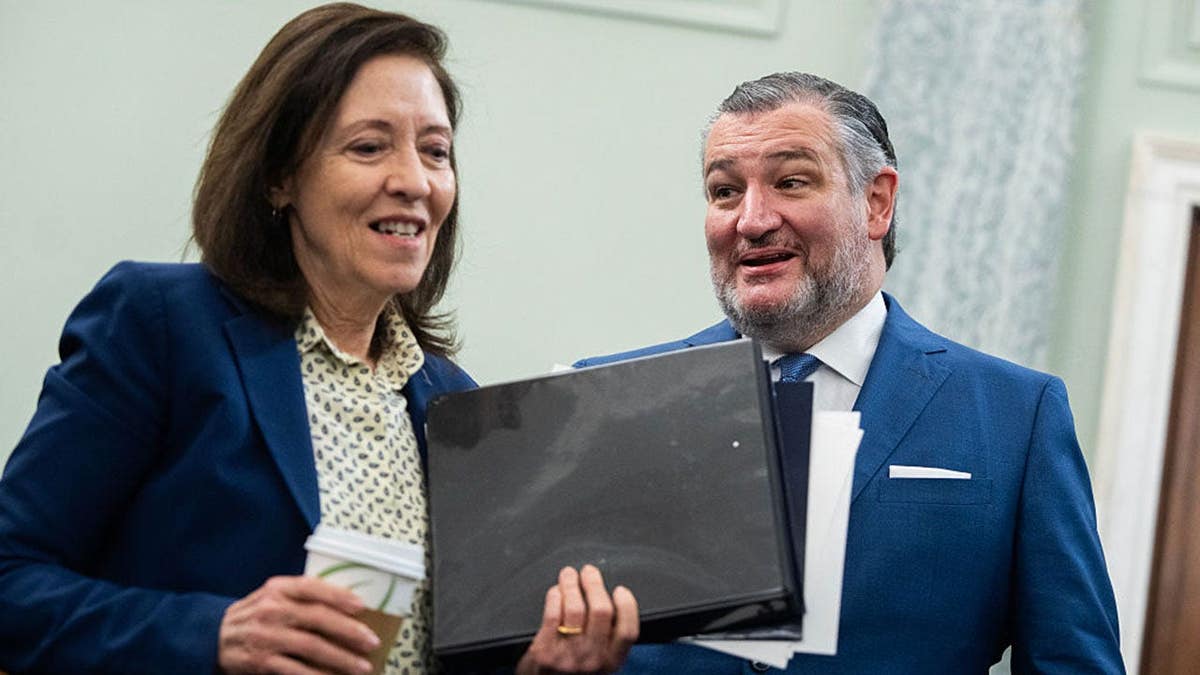
The Protect College Sports Act passed the Senate Commerce Committee on June 18 by a 19-to-9 vote after months of bipartisan work. Cruz, who chairs the committee, called it “a framework that stabilizes college athletics.” Cantwell, the ranking Democrat, was less accommodating of the conferences’ position. “We’re not going to let the most powerful, richest conferences dictate to the rest of America what’s going to happen to 500,000 athletes,” she said at the time, Fox News reported.
But both conferences rejected that framing. Both released a joint statement opposing the bill in its current form, saying they had sought essential revisions that went unaddressed. The shape of those revisions, described in a 10-point memo submitted to the committee, points to two issues where no agreement has been reached.
The first is liability. The bill creates some limits on the legal exposure schools and conferences face in connection with NIL deals and athlete compensation. The conferences say those limits are written too narrowly. Their memo states that the gaps “can efficiently and effectively be closed with minor edits to the liability section,” yet those edits have not materialized in any draft either conference has reviewed. Without clearer language defining what legal actions the law would actually prohibit, conference officials argue, schools still face unpredictable litigation risk, which defeats one of the bill’s central purposes.
The second sticking point is state law preemption. As written, the bill takes steps toward uniform national rules on NIL, yet leaves several categories of athlete activity, including recruiting, eligibility disputes, and tampering, still subject to state-by-state regulation. For conferences whose schools recruit across the country and whose athletes transfer between states, that gap is not a technicality. It is the gap through which the current chaos runs. Both the SEC and the Big Ten want the bill to explicitly override state laws in those areas, creating a true national floor. The current draft does not.
Senators have added provisions in recent weeks to bring the conferences closer. The most significant is a $25 million retention pool, an allowance that would let schools pay athletes already on their rosters to stay rather than enter the transfer portal. It is a direct response to one of the conferences’ core complaints about the transfer market, which has allowed wealthier programs to buy roster stability while smaller programs lose players each year. Whether that figure is enough to satisfy the conferences’ broader concerns is an open question, according to OutKick. As of late July, it had not produced a breakthrough.
The bill also includes minimum scholarship and roster size requirements not tied to television revenue, a protection for athletes in Olympic and women’s sports programs that senators fought to preserve in the final text. An earlier version of the anti-expansion language targeted only the SEC and Big Ten, which each spend more than $1 billion annually on athletics; revisions lowered the threshold to $700 million, pulling the ACC and Big 12 inside the same restrictions. The conferences have not identified the expansion rules as their primary concern, but the lowered threshold demonstrates the degree to which the bill has already changed shape in response to pressure from conferences outside the top two.
The NCAA has been navigating its own governance pressures simultaneously, including challenges to its enforcement authority moving through the courts. The two tracks are separate, but they share a common backdrop: college sports’ legal architecture was not designed for a system where players negotiate contracts and conferences realign every few years.
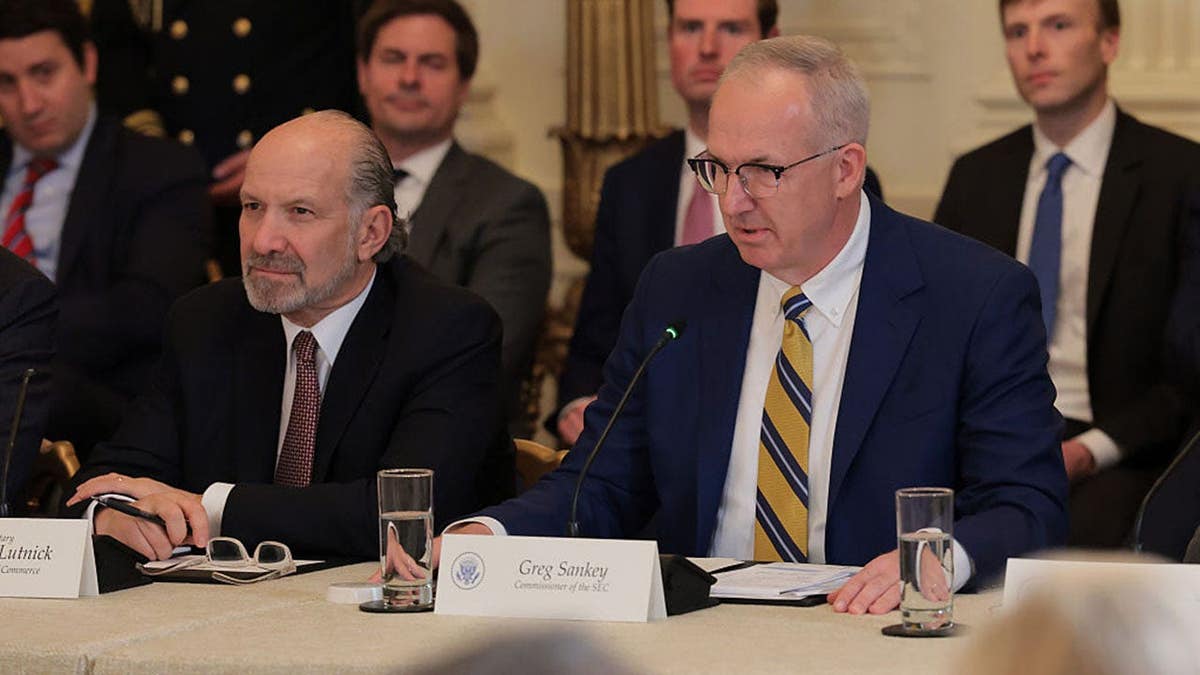
SEC Commissioner Greg Sankey has offered the clearest warning about what happens if the bill misses the August window. Competing legislative priorities, including budget fights and international policy disputes, will crowd out college sports reform indefinitely. A Congress that cannot close the deal before recess is unlikely to find the room for it when the fall calendar fills.
Cruz’s office and Cantwell’s office have indicated that work is continuing. In late July, Cantwell’s office described drafters as “working on language through the night,” framing the urgency as evidence of seriousness rather than crisis. Whether the revised text arrives before August 7, and whether it satisfies the conferences enough to allow a floor vote, remains the question no one in Washington or in either league office has answered yet.
For the athletes this legislation was designed to protect, the outcome will determine something basic: whether the rules governing their careers look the same in Alabama as they do in Ohio.
Related Posts