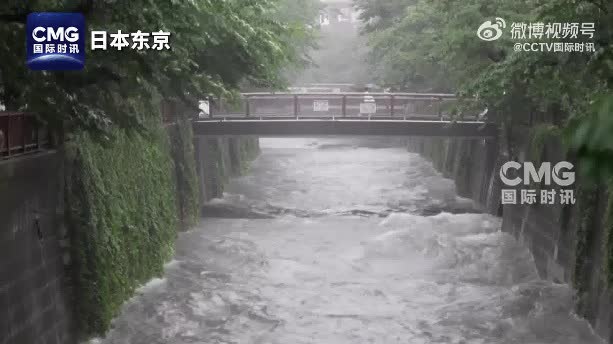

TOKYO – The rain arrived in Tokyo before the worst of the wind. By Wednesday morning, Typhoon Jangmi – which had already torn through Okinawa and Kyushu over the preceding two days – was parked south of the Izu-Oshima island chain, feeding floods into the Tama and Kanda rivers and grinding Tokyo’s commuter rail network to a standstill.
By early afternoon, the Fire and Disaster Management Agency said 23 people had been injured across six prefectures: Aichi, Nara, Tokushima, Miyazaki, Kagoshima, and Okinawa. One of the injured was in critical condition. Seventeen of those cases were recorded in Okinawa, where the storm first made its presence felt early in the week, tossing objects into vehicles and sending people sprawling on slickened streets.
The Ministry of Education said classes had been cancelled at 5,378 municipal schools and institutes across 23 of Japan’s 47 prefectures – an indication that Jangmi’s disruption was not the story of a single island or a single prefecture, but of a country-wide confrontation with a slow-moving, rain-heavy system that resisted every meteorological expectation about how fast it might leave.
The storm was carrying a central pressure of 985 hectopascals as of midday Wednesday, with sustained winds of 25 meters per second and gusts reaching 35 meters per second. At its most intense it crossed Okinawa as a full typhoon before being downgraded to a severe tropical storm. The Japan Meteorological Agency tracked it northeast toward the Pacific coast of Chiba Prefecture, where it was expected to move offshore by Wednesday evening – though the rain it had already deposited would take longer to clear.
In some areas, the rainfall records were startling. A gauge in Tano, in Miyazaki Prefecture, recorded 304.5 millimeters in the 24 hours through Tuesday afternoon – the highest June rainfall on record for that location, according to the meteorological agency. Because Jangmi’s most intense rain bands were concentrated north and east of its center, flooding threats extended across regions the storm’s eye never directly crossed.
Tokyo bore the institutional cost on Wednesday. JR East suspended service on several lines from the start of the morning rush, halting the Shonan-Shinjuku Line between Shinjuku and Odawara and the Chuo Line between Takao and Fujimi. The Tokaido Line was stopped between Odawara and Atami. Level 4 evacuation orders – the second-highest tier under Japan’s warning system, calling for all residents in affected areas to evacuate – were issued for all of Shinagawa Ward and stretches along the Nogawa and Kanda rivers by 12:30 p.m.
For Japan Airlines and All Nippon Airways, the combined toll reached 616 cancelled flights on Wednesday alone – among them 92 international routes. The Japan Times reported that level 4 orders also covered several municipalities in Chiba Prefecture, including parts of Ichikawa city and the town of Otaki.
The scale of school closures pointed to something beyond the immediate physical damage. More than 5,300 institutions across nearly half the country suspended classes – a logistical disruption that fell on parents already dealing with rail cancellations, flooding road closures, and the particular anxiety that comes with a storm that had been forecast for days but whose path remained difficult to predict with precision. Japan’s school year runs through the typhoon season as a matter of geographic reality; disruption of this size is not rare, but it is never routine.
The US military footprint in Okinawa – which includes Kadena Air Base, one of the largest American installations in the Pacific – reported no injuries to personnel and no significant structural damage from the storm’s passage, according to Stars and Stripes. Yokosuka Naval Base near Tokyo raised its tropical cyclone readiness level Tuesday evening as the storm approached Honshu; its schools remained closed Wednesday as a precaution.
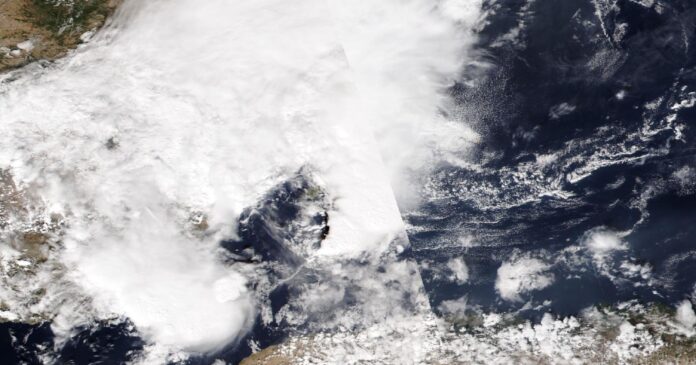
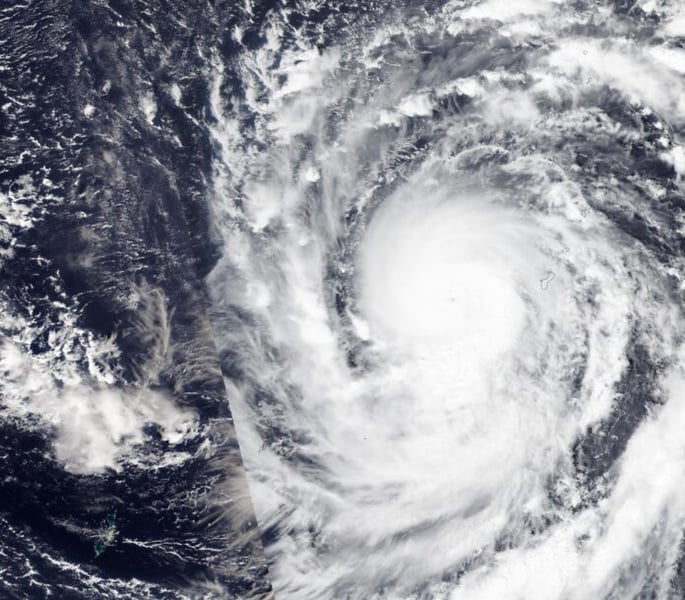
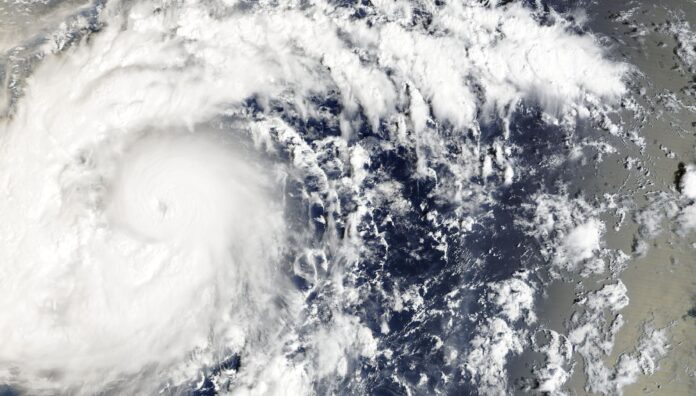
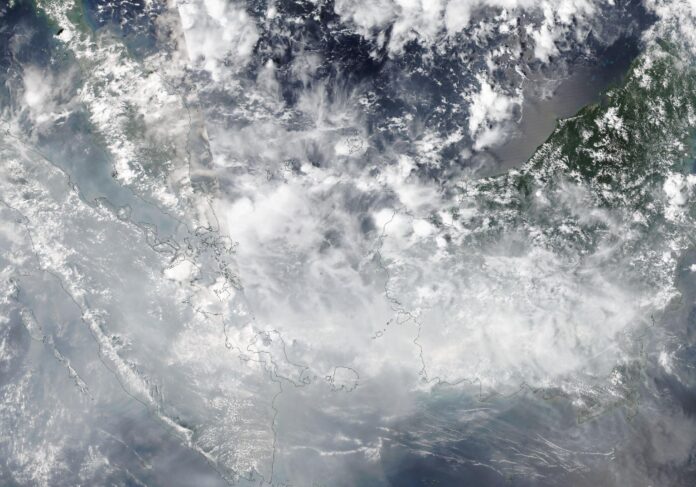
Jangmi had been watched closely since late May, when NASA’s Suomi NPP satellite imaged a broad, slow-spinning system churning north-northwest over the Philippine Sea. The storm’s outer rain bands were already reaching Okinawa before its eye had left southern waters – a structural feature that contributed to the wide geographic spread of its impact. By the time it crossed Kyushu on Tuesday, evacuation advisories had been issued for more than 800,000 residents across Miyazaki and Kagoshima prefectures, according to the Japanese government.
Whether the season has further storms of Jangmi’s reach is the question meteorologists are not yet answering. What is clear is that Japan entered this week’s system with infrastructure already stressed – a power grid still absorbing capacity from tens of thousands of homes knocked offline in Okinawa and Kagoshima, a rail network in Tokyo running on shortened timetables before the worst rain arrived. The storm’s approach to the capital on a Wednesday, a working day, amplified every disruption. Japan has rehearsed the mechanics of natural disaster response as often as any country on earth. Jangmi was not a test of those systems so much as a reminder that passing the test still carries a cost.
—Inputs from RIA Novosti, Sputnik.