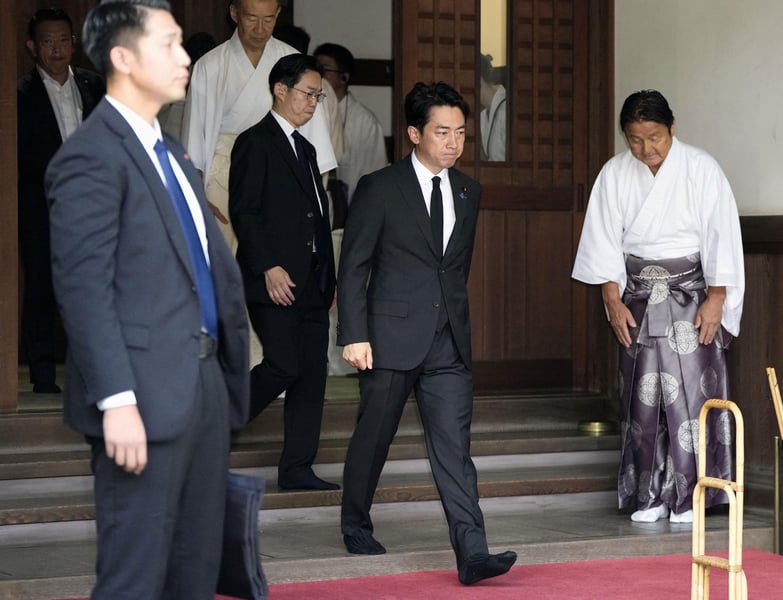

TOKYO — Shinjiro Koizumi, Japan’s defense minister, walked into Yasukuni Shrine on Saturday and made no statement to the reporters waiting for him at the gate. He did not need to. In the governments of China and South Korea, the visit said everything that needed saying.
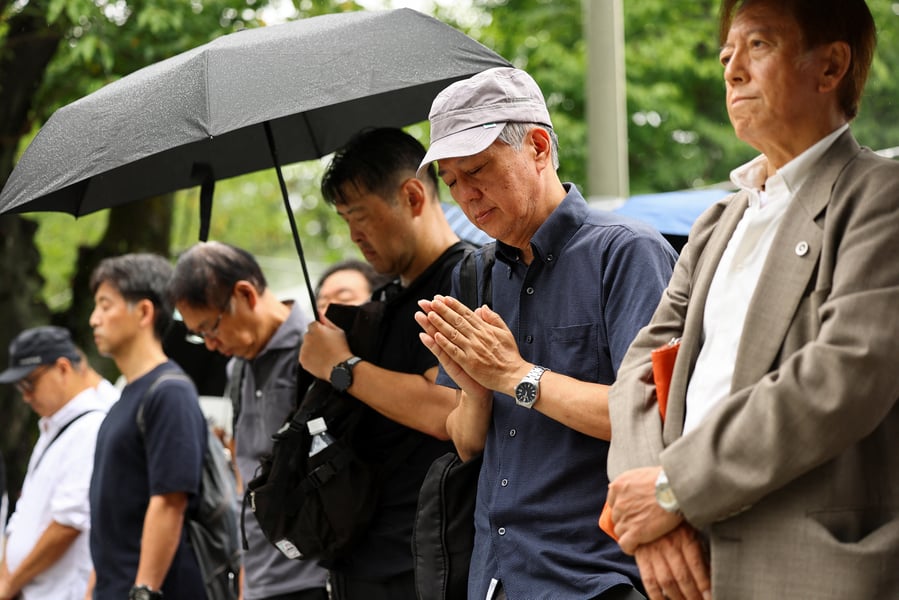
The shrine, in central Tokyo, honors 2.5 million war dead from Japan’s imperial conflicts, among them 14 military and civilian leaders convicted by Allied tribunals of the most serious war crimes, and more than 1,000 others found guilty of lesser offenses. Prime Minister Sanae Takaichi did not attend in person but sent a ritual monetary offering. It was August 15, 2026, the 81st anniversary of Japan’s unconditional surrender in the second world war.
China’s Ministry of Foreign Affairs did not take long. “We strongly condemn” the offering and the visit, it said in a statement, adding that it had lodged strong protests with Tokyo. Jiang Bin, a spokesperson for China’s Ministry of National Defense, was more pointed. Japanese politicians, he said, were paying lip service to pursuing peace while bowing down before the perpetrators of wartime atrocities. Such hypocrisy, Jiang told Xinhua, fully exposes the distorted historical view held by Japan’s right-wing forces and their dangerous attempt to revive the specter of militarism.
South Korea’s Ministry of Foreign Affairs expressed deep regret over what it called anachronistic actions, urging Japan’s leaders to demonstrate humble reflection and sincere remorse. South Korean opposition lawmaker Jeon Su-mi described the visits as an anachronistic provocation. Even Kim Dae-sik, a conservative politician with known pro-Japan inclinations, said the shrine visits undermine mutual trust between the two countries.
For Japan’s neighbors, the objection to Yasukuni visits is not ceremonial. The shrine was established in 1869 to honor those who died for the emperor, but the categories it now encompasses include leaders who directed campaigns of mass killing, forced labor, and what historians across Asia recognize as crimes against civilians in China, Korea, and the Pacific. Regular visits by senior politicians are seen as an endorsement of the narrative that these men were patriots rather than perpetrators.
Koizumi posted to Instagram after the visit, characterizing it as an expression of condolences to the war dead and a reaffirmation of Japan’s determination to uphold its postwar path of peace. That framing has become the standard political language for Japanese officials attending Yasukuni: the visit is cast as mourning, not as memorial to militarism. China’s defense ministry explicitly rejected this framing. China urged Japan to genuinely learn from the lessons of history and refrain from pursuing neo-militarism, Jiang said, warning that if Japan persists and becomes a source of danger to regional peace, it will once again face the judgment of history.
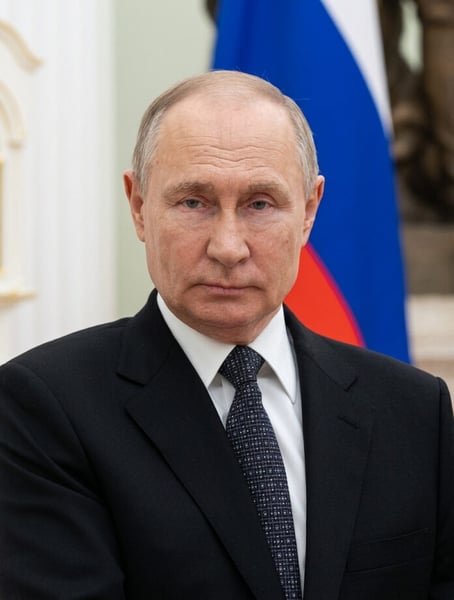
The visit comes amid a run of diplomatic friction for Tokyo. Just two days earlier, Japan’s government issued a formal protest over Russian President Vladimir Putin’s visit to the Kuril Islands, the disputed Pacific archipelago that the Soviet Union seized in 1945. Within the same week, Japan found itself protesting a Russian leader’s visit to disputed territory while defending its own officials’ visits to a shrine that its neighbors view in a comparable light: as the assertion of a national claim the other party finds illegitimate.
China’s response was not disconnected from the strategic context. Just four days ago, Beijing, together with Moscow and Pyongyang, issued a joint condemnation of Japan’s latest defense paper, describing it as reinvasion-minded, reflecting the view that Japan’s military buildup under Prime Minister Takaichi carries an intent that goes beyond defensive posture.
Japan’s own critics made the same point in softer terms. Atsushi Kouketsu, emeritus professor at Yamagushi University, called Yasukuni a shrine of aggression and said the visits sent dangerous political signals. The Aichi Prefectural Peace Committee said the visits desecrate the memory of those who died in the war.
What the visit leaves unanswered is whether any of this year’s protests will alter the pattern. Japanese prime ministers and cabinet ministers have been visiting or offering at Yasukuni on August 15 for decades, according to Al Jazeera. Diplomatic relations have fluctuated around those visits but have not been severed by them. The question that China’s defense spokesperson left open: whether Japan is genuinely returning to the path of militarism or whether Yasukuni represents a nationalist ritual that has outlasted its strategic substance. It is a question that China, South Korea, and Japan’s own civil society have answered differently, and that Koizumi’s Instagram post declined to address.