
ATLANTA – The ball bounces strangely sometimes. For England, it fell from the heavens, or from a camera cable depending on who you ask, and landed them in a World Cup semifinal against the only rival the sport could have delivered at this juncture. For Argentina, it was a yellow card for simulation that became a red, and then Julián Álvarez’s left foot at the edge of a tired Swiss defence. On Wednesday at Mercedes-Benz Stadium, all of it converges.
The fixture is the first World Cup semifinal between England and Argentina in the tournament’s history. It arrives carrying the freight of four decades. The Hand of God. A sending-off at Saint-Étienne. A rivalry that has always felt less like sport and more like a recurring argument that football has agreed to host every few years. Nobody scheduled it this way. It simply happened.
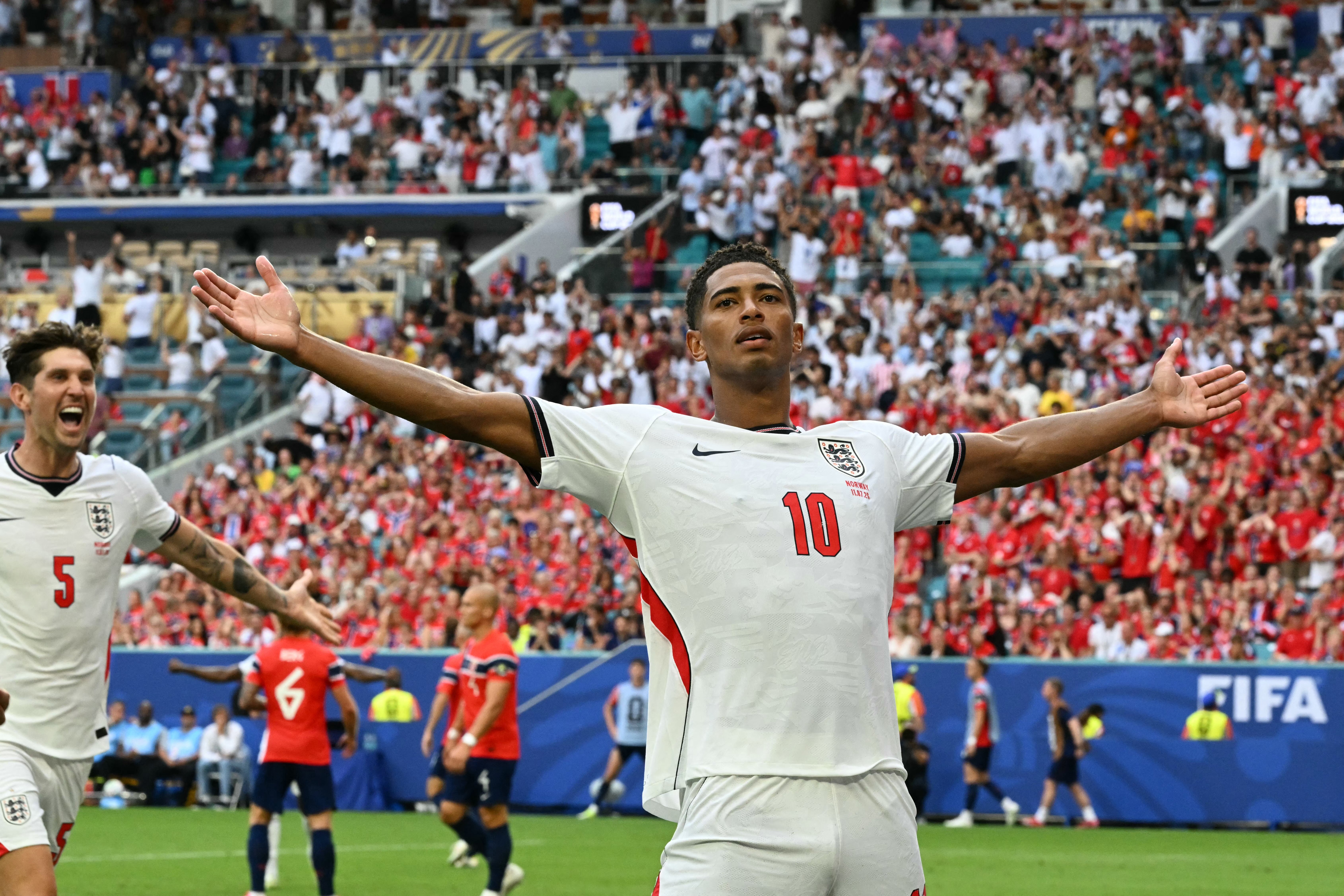
Thomas Tuchel’s England come into the match as the team whose route to the final four has been the most disputed. Against Norway in the quarterfinals in Miami, Jude Bellingham’s equaliser arrived under claims from Norway’s bench that the ball had struck an overhead camera cable before reaching him, altering its trajectory. FIFA dismissed the complaint, citing ball sensor data showing no evidence of contact. Tuchel offered no protest when asked whether fortune had tilted toward his side. “You need moments where you’re lucky,” the England manager said. “Otherwise, it’s just not possible.”
Luck or not, Bellingham has made himself impossible to dismiss. The Real Madrid midfielder enters the semifinal with six goals in the tournament, two of them coming in extra time against Norway when the match had appeared to be slipping away. He is tied at the top of the Golden Boot standings, and if there is a single player England’s opponents have had to plan around, it is him. His capacity to produce in moments of maximum pressure has defined this England side more than any tactical system Tuchel has deployed.
Argentina’s path here has been more straightforward and, at times, more brutal. In the quarterfinal Sunday, Argentina beat a ten-man Switzerland 3-1 in extra time. Mac Allister headed home from a Messi assist inside the opening ten minutes, only for Dan Ndoye to equalise late in regular time. Switzerland’s Breel Embolo then received a second yellow card for simulation in the 78th minute, reducing the Swiss to ten. Julián Álvarez, in his third start of the tournament, produced a golazo from outside the box in the 112th minute, and Lautaro Martínez sealed the result nine minutes later. It was Argentina’s second knockout win in extra time in three matches.
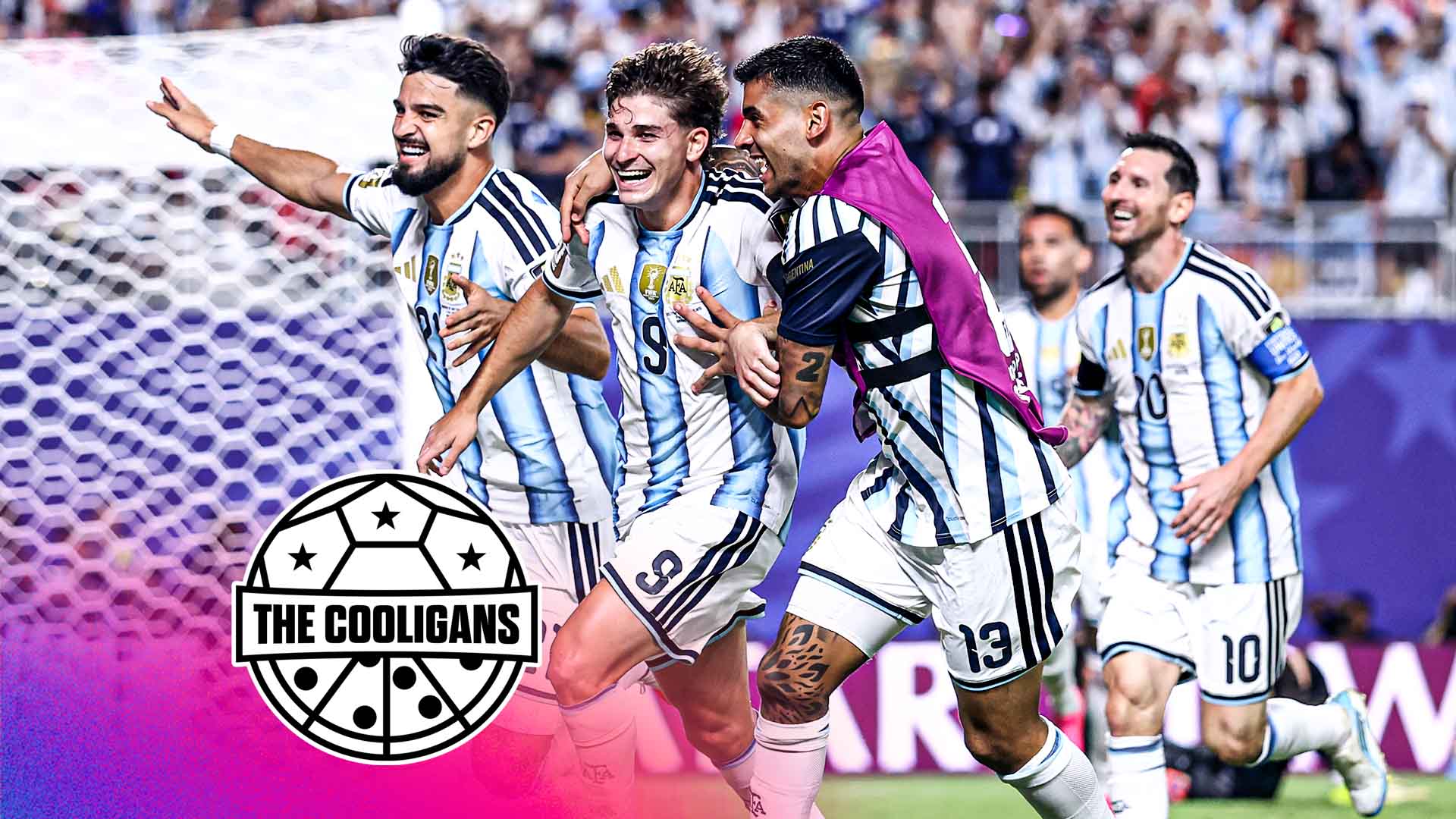
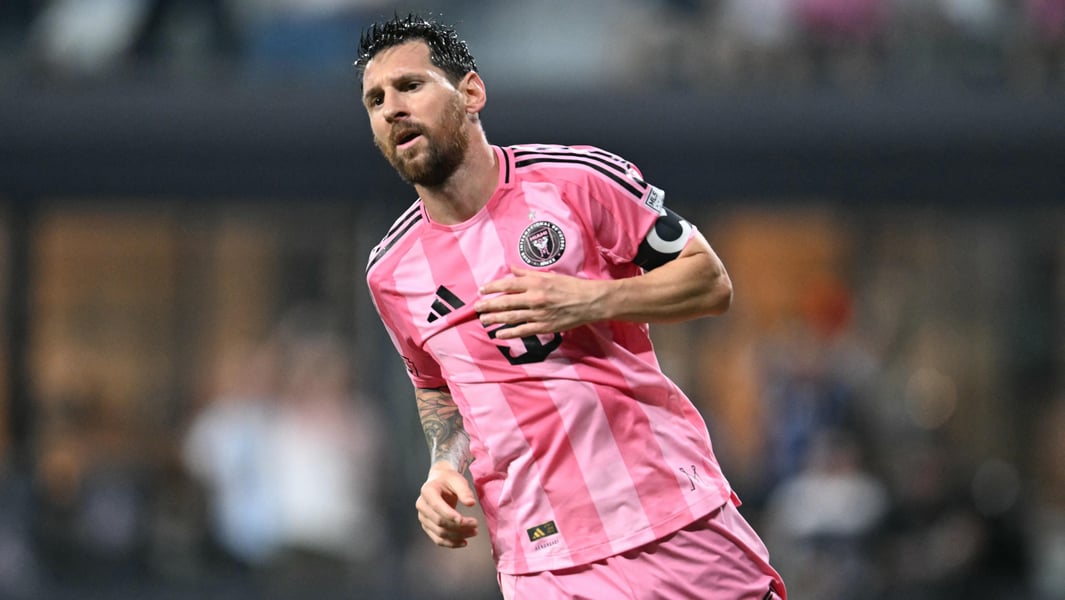
Lionel Messi did not score against Switzerland. He assisted the opening goal and set the tempo throughout, a role the 39-year-old increasingly occupies without diminishing Argentina’s threat. He arrives in Atlanta with eight tournament goals, having led all scorers through the group stage and knockout rounds. The question surrounding Messi is no longer whether he remains the best in the world. It has become something more specific: whether this is the last time he does this at a World Cup.
Lionel Scaloni, Argentina’s coach, attempted in his pre-match remarks to strip the fixture of its accumulated weight. “A football game, and that is all,” he said of the upcoming semifinal. The statement will convince nobody on either side. It may have been aimed internally, at a generation of Argentine players too young to have lived through 1986 or 1998, and for whom England is an opponent rather than a historical grievance.
The history exists regardless. At the 1986 World Cup in Mexico City, Diego Maradona punched the ball into the England net in the quarter-finals and then dribbled past four defenders for a goal that still defines the rivalry in both countries. Argentina won. In 1998, David Beckham received a red card for kicking Diego Simeone, who now manages Atlético Madrid where Álvarez plays, and Argentina advanced again on penalties. The sides have not met at a World Cup since.
England enter as slight favourites by the statistical models. Opta gives them the third-highest championship probability of the four remaining sides. France, who face Spain in Tuesday’s other semifinal, lead those projections at 34 per cent. But numbers have meant little in a tournament that has produced two extra-time quarterfinals and, according to Yahoo Sports, a camera-cable controversy that Norwegian football will be discussing for years.
What is not known yet is whether the weight of history will prove suffocating or clarifying for either side. England’s players have spoken of a belief that their generation can end 60 years without a major tournament trophy. Argentina’s players have spoken of defending what they won in Qatar. Both things cannot be true. The ball drops in Atlanta on Wednesday at 3pm Eastern Time, 7pm Greenwich.