
NEW YORK – The safe houses operating in eastern Congo’s conflict zones had been absorbing women for years before the funding stopped arriving. Organizations that had built waiting lists last year built them again in 2025, but shorter. The ones that closed did not announce it; they stopped answering. A survey released Friday by UN Women tracked what happened across 52 countries when the world’s largest bilateral aid donor and three of its European partners began simultaneously withdrawing from the humanitarian architecture they had spent decades building.
The numbers are specific. Across 855 women’s organizations surveyed in countries classified as vulnerable or conflict-affected, 90% report they cannot meet current demand for their services. At least one million women and girls lost access to essential support in the 18 months ending this spring. The figure is a floor, not a ceiling: organizations that permanently shuttered before the survey opened were not included in the count.
Sofia Calltorp, UN Women’s chief of humanitarian action, framed the findings in terms of who bears the cost. “Every dollar withdrawn from women’s organizations,” she said, “is a dollar withdrawn from survivors of conflict-related sexual violence, displaced mothers, girls forced from school, and communities struggling to survive.” Al Jazeera reported that the survey spanned the Democratic Republic of Congo, Haiti, Afghanistan, and 49 other states.
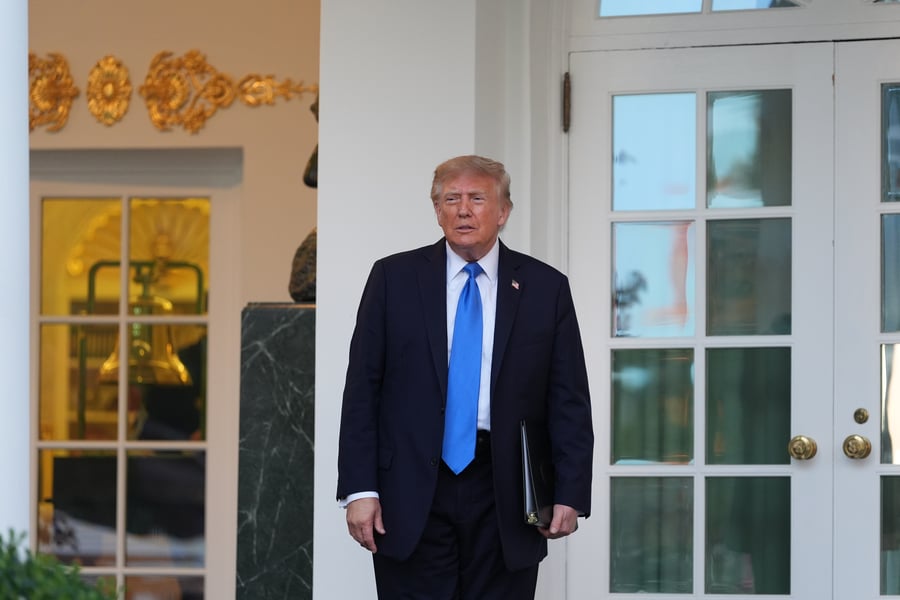
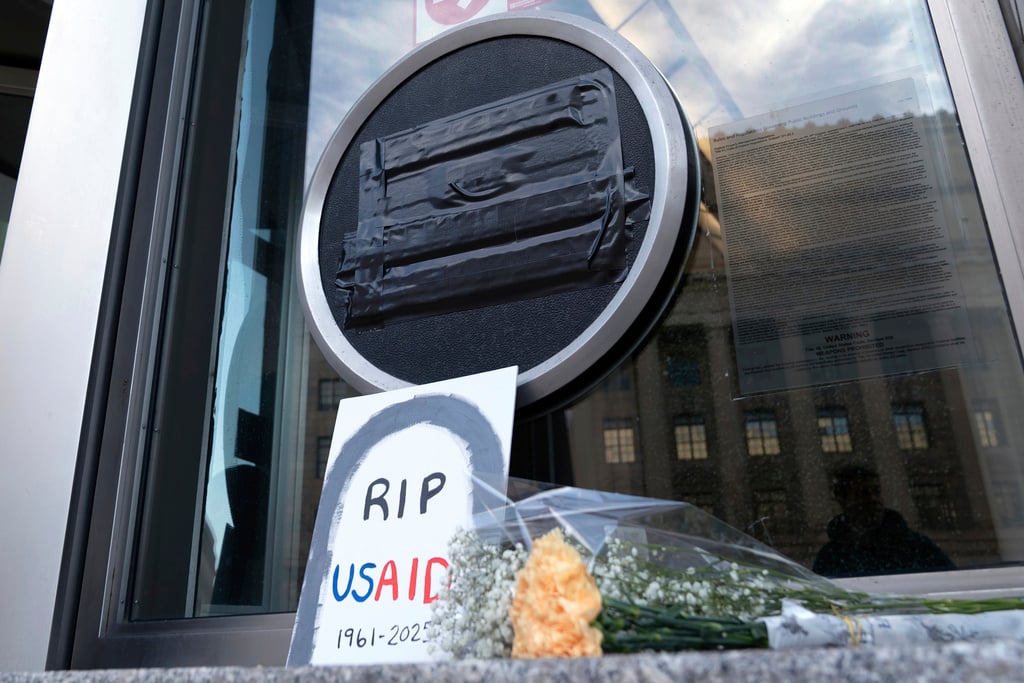
The proximate cause is not complicated. The Trump administration dismantled USAID in January 2025, cutting more than half of US foreign assistance in the process. The United States had functioned for decades as the largest bilateral donor in humanitarian financing; its withdrawal did not merely reduce global aid by its proportional share but destabilized the funding models that smaller organizations had built around the expectation of US anchor grants. Trump’s cuts to PEPFAR and global health programs were the more prominent chapter of the same withdrawal; the UN Women survey documents what happened to the quieter funding streams sustaining women’s services in active conflict zones.
Germany, France, and the United Kingdom did not initiate their aid reductions before Washington moved, but they accelerated them in the same period, each citing the political demands of domestic electorates and the cost of accelerating defense production. Organizations that had survived earlier cuts to one donor by diversifying toward another found, in 2025 and into 2026, that the diversification strategy failed simultaneously across multiple funders.
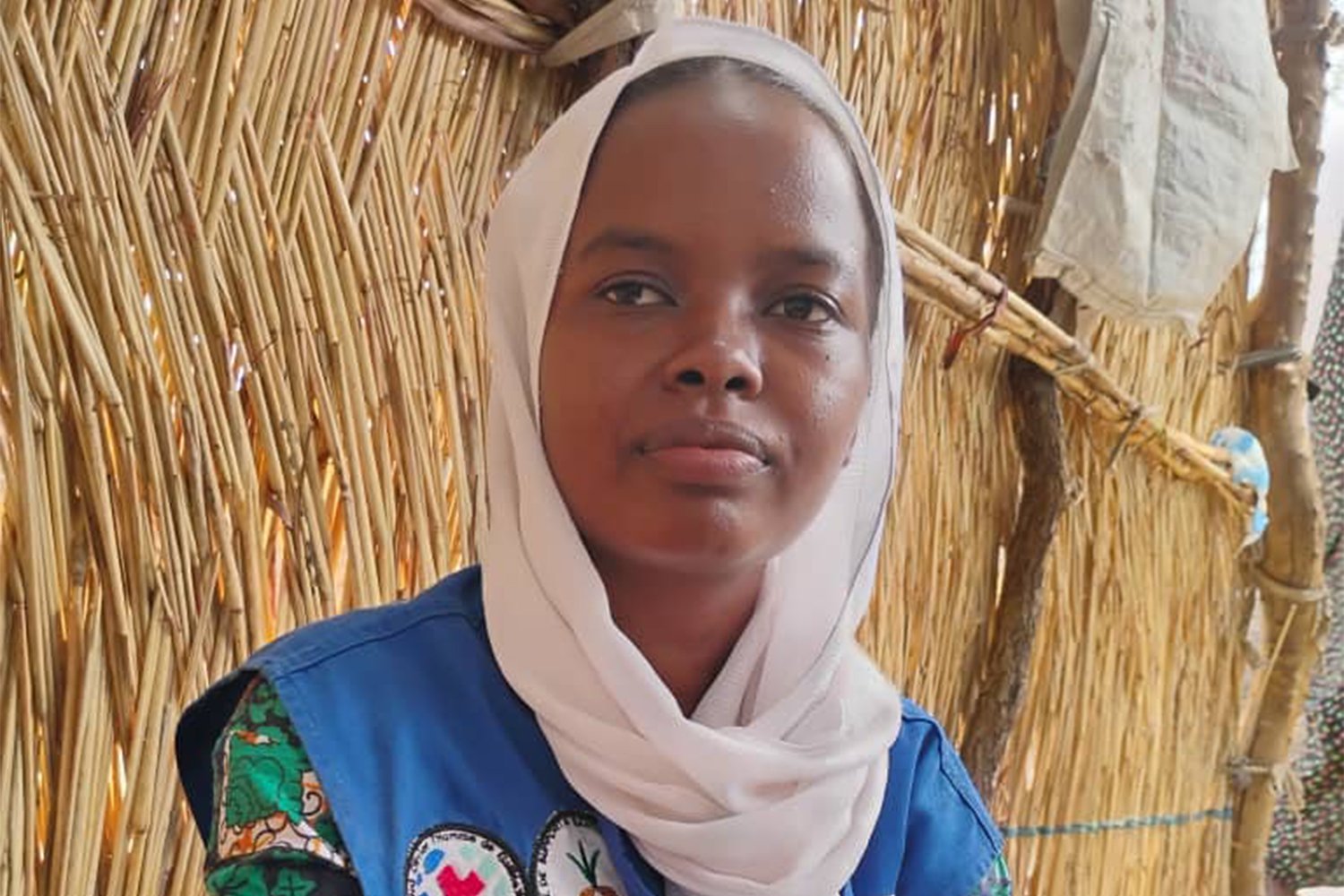
The operational consequences are documented with specificity. Sixty percent of the surveyed organizations report reaching fewer women and girls since January 2025 despite increased demand. Half have placed clients on waiting lists or turned them away entirely. The most concentrated finding: 62% eliminated safe spaces for gender-based violence survivors during the same period that conflict-related sexual violence doubled. Organizations did not become more resourceful under pressure. They served fewer people.
The shutdown trajectory is the report’s most direct finding. Forty percent of surveyed organizations expect to close temporarily or permanently within twelve months based on current funding commitments. In practice, organizational closure in this sector is rarely announced; it presents as a staff departure, then reduced hours, then an inability to accept new referrals, then a closed building. The organizations projecting closure within a year are concentrated in the Democratic Republic of Congo, Haiti, and Afghanistan, where the gap between formal institutional capacity and documented need has been widest.
The question of who fills that gap has no clear answer. The broader humanitarian funding collapse documented earlier this year showed that Gulf states and Asian donors have increased development financing in specific corridors but have not constructed the institutional infrastructure to rapidly disburse operational grants to the diffuse network of local organizations the UN Women survey represents. Bilateral reconstruction pledges are not interchangeable with the per-diem costs of staffing a safe house in eastern DRC or Port-au-Prince.
The UN Women report’s authors note that the 855 organizations they surveyed represent a sample, not the total population of organizations serving women in vulnerable settings. The survey methodology requires organizations to be functional enough to receive and complete a questionnaire. Organizations that dissolved before the survey window, communities that absorbed need through informal networks, and women who stopped seeking services after repeated refusals do not appear in the data as having lost access to anything. The one million figure is therefore conservative.
What makes the report’s finding structurally different from earlier humanitarian funding shortfalls is the simultaneity. Previous gaps in one donor’s contributions could be partially bridged by stability elsewhere in the system. The 2025 contraction hit the US contribution, the German contribution, the French contribution, and the British contribution within the same period. The organizations surveyed by UN Women did not have a stable floor to fall back on. They lost ground in every direction at once, and 40% of them are now describing their own imminent disappearance from a humanitarian landscape that is already smaller than it was before they formed.
Related Posts