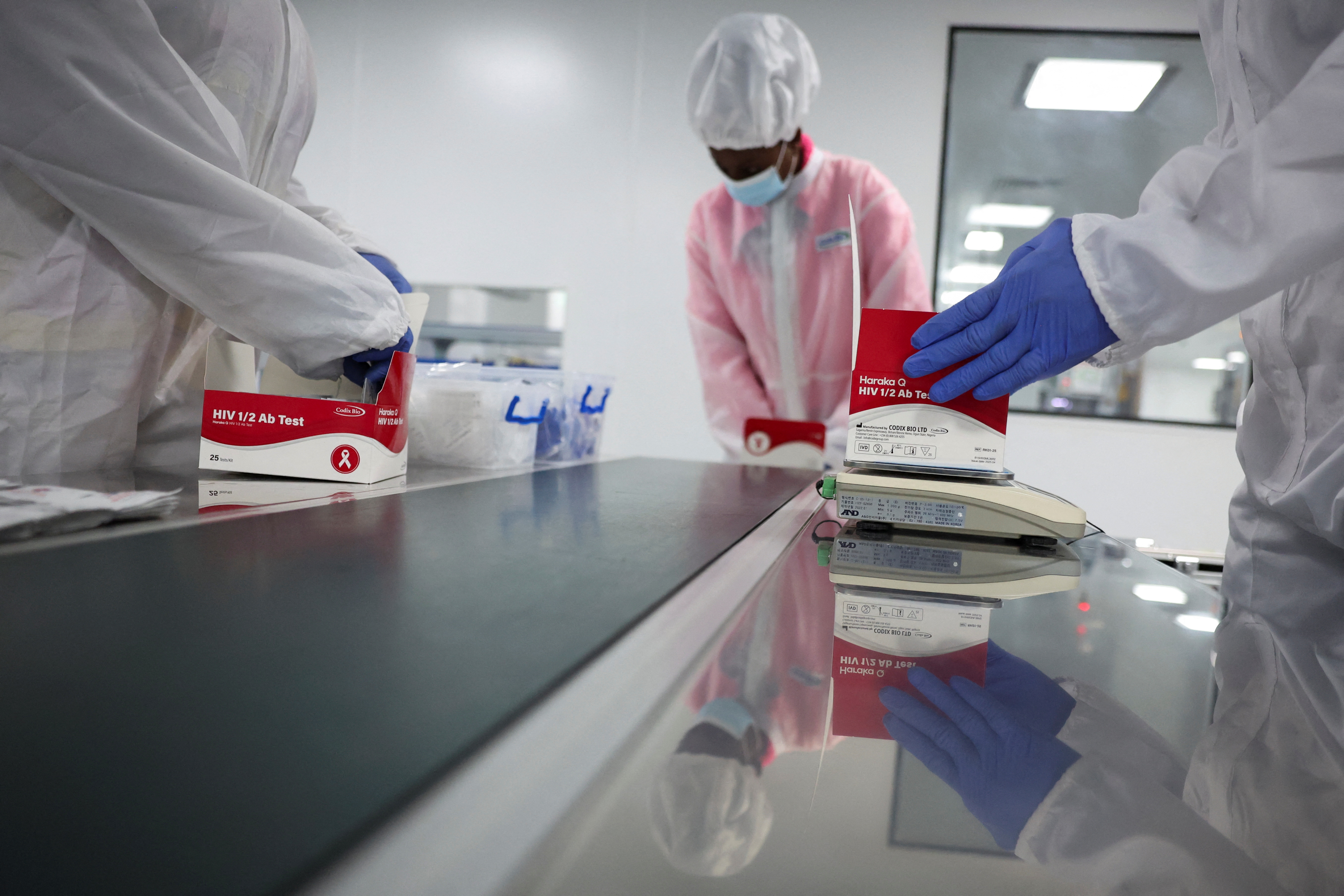

WASHINGTON — Donald Trump once promised to end HIV, at home and around the world. What he actually did was cut the programs that were ending it, and the United Nations has now put a number on the consequences. A new UNAIDS assessment finds that global HIV prevention has collapsed in the wake of the administration’s aid cuts, with the use of preventive medication down sharply and an entire architecture of community-level services dismantled. The agency’s projection is blunt: millions of new infections and deaths over the next four years that would not have happened otherwise. This is not an accounting dispute. It is a body count attached to a policy choice.
The headline figure is the one the administration will least want to discuss. As The Washington Post reported, the number of people receiving pre-exposure prophylaxis, the medication known as PrEP that prevents infection before it happens, fell by 38 percent between 2024 and 2025, more than a million people dropped from protection in a single year. By October 2025, UNAIDS estimated that some 2.5 million people had lost access to PrEP because of donor funding cuts. Prevention, the part of the response that keeps people from ever needing treatment, was hit hardest of all.
That damage traces back to a specific decision. The administration moved early to dismantle the U.S. Agency for International Development and to “reimagine” the President’s Emergency Plan for AIDS Relief, the program George W. Bush created in 2003 that is credited with saving tens of millions of lives. PEPFAR had committed $4.3 billion in bilateral support in 2025, and according to the UNAIDS findings those services were stopped close to overnight when Washington shifted its foreign-assistance strategy. Programs do not absorb a shock like that gracefully. Clinics close, supply chains break, and the workers who deliver care scatter.
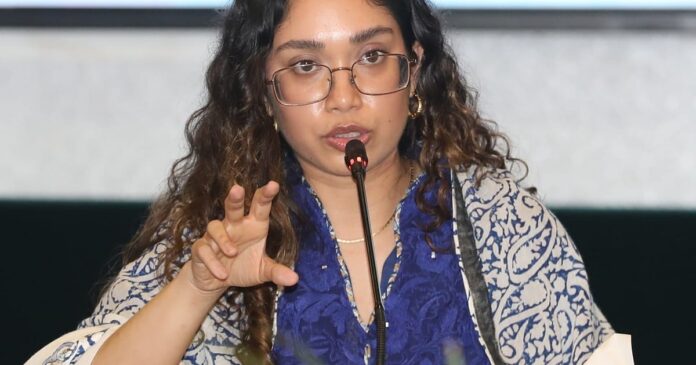
The cost is not abstract or evenly spread. UNAIDS Executive Director Winnie Byanyima has said plainly that prevention was hit harder than treatment, that people living with HIV have already died because of the disruptions, and that more than two million adolescent girls and young women have been stripped of essential services. The country-level numbers are a catalogue of reversal: PrEP use fell 64 percent in Burundi, 38 percent in Uganda and 21 percent in Vietnam, while condom distribution in Nigeria dropped by more than half. Community-led organizations, the ones that reach the people national systems miss, have been forced to shut their doors.
None of this stopped at the water’s edge. The same administration that halted the global program also turned the knife on the domestic one. As ABC News reported, the administration cut roughly $600 million in federal grants for HIV and STD prevention and surveillance, the unglamorous work of testing, tracking and outreach that keeps an epidemic from quietly rebuilding. The man who said he wanted to end HIV in America defunded the machinery that was doing it.
The cruelty of the timing is that the tools have never been better. As CBS News documented, the cuts are rolling back hard-won progress in the American South, the region where the domestic epidemic is most concentrated, at the precise moment that long-acting prevention drugs were turning the corner against it. A generation of medical advance is colliding with a deliberate withdrawal of money, and the advance is losing.
The Eastern Herald has tracked how other countries are being forced to respond to the vacuum Washington created, from South Africa’s decision to launch the breakthrough prevention drug lenacapavir without a cent of US support to the broader collapse of pandemic readiness laid bare when a new Ebola outbreak met a gutted USAID. The HIV findings are the largest data set yet for a pattern that keeps repeating: a public-health system the United States spent two decades building, dismantled in months.
It is the same instinct visible across this government, the treatment of capacity as waste until the absence of it produces a crisis, the same logic that left the country short of inspectors as a parasite crossed into Texas. The difference with HIV is the scale of the arithmetic. UNAIDS projects roughly six million additional infections and four million additional deaths over the next four years on the current trajectory, and 1.2 million people acquired the virus in 2025 alone, with nearly nine million still going untreated.
Those projections are not destiny. Funding can be restored, programs can be rebuilt, and other donors can step into part of the gap, as some already are. But rebuilding is slower and more expensive than maintaining, and the infections that occur during the rebuilding are permanent. That is the part no future appropriation can undo. The administration was warned, repeatedly and in advance, that cutting prevention would cost lives rather than dollars. The UN has now started counting, and the numbers are doing exactly what the warnings said they would.