WASHINGTON — The New World screwworm is back in the United States for the first time since 1966, and it has arrived at the worst possible moment for an administration that spent the past year hollowing out the agency meant to stop it. A flesh-eating parasite that lays its eggs in the open wounds of living animals has crossed into Texas after a yearlong march north through Central America and Mexico. The Trump administration insists it is ready. The numbers it spent a year producing tell a less reassuring story.
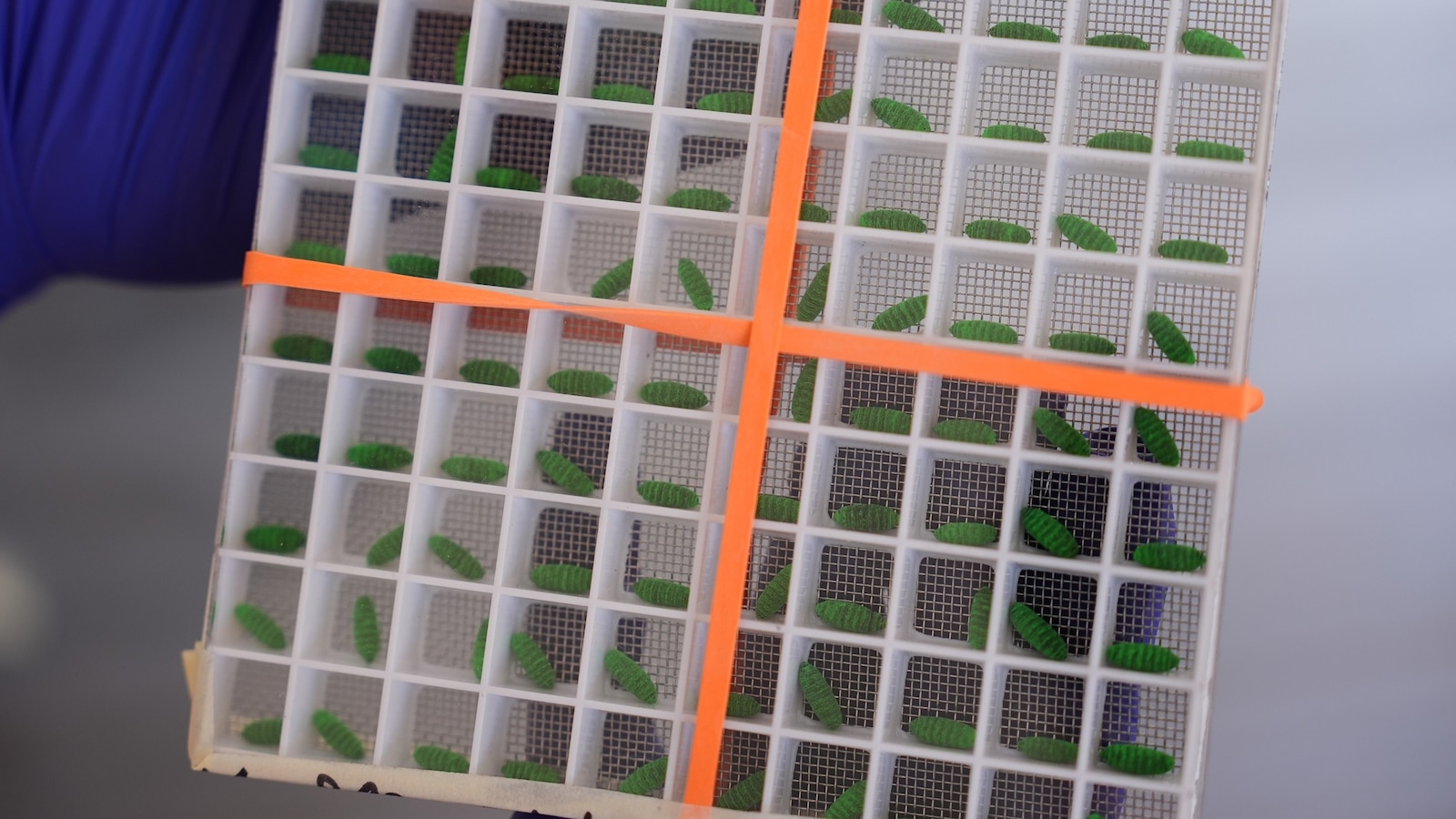
The first case was confirmed on June 3 in a cow in Zavala County, Texas, and within days the count climbed to five: three calves and a goat in Texas and a dog across the line in Lea County, New Mexico. As ABC News reported, the Department of Agriculture moved quickly once the infestations were found, drawing a twelve-mile quarantine zone around the detection sites, expanding traps along the border, and pairing the four million sterile flies already released by air each week with new ground releases meant to collapse the wild population. On paper, the response machine is running.
What that machine is missing is people. Between January 2025 and January 2026, the USDA shed roughly 20,000 employees to layoffs and buyout incentives, part of the administration’s drive to shrink the federal workforce. The Animal and Plant Health Inspection Service, the arm directly responsible for the screwworm fight, lost about 1,300 of them. In Texas, the state now on the front line, the number of frontline APHIS staff was cut roughly in half, and fifty-five Texas counties were left without a single frontline APHIS employee. The veterinarians and field inspectors who find infestations early, before they spread, are precisely the workers who were thinned out.
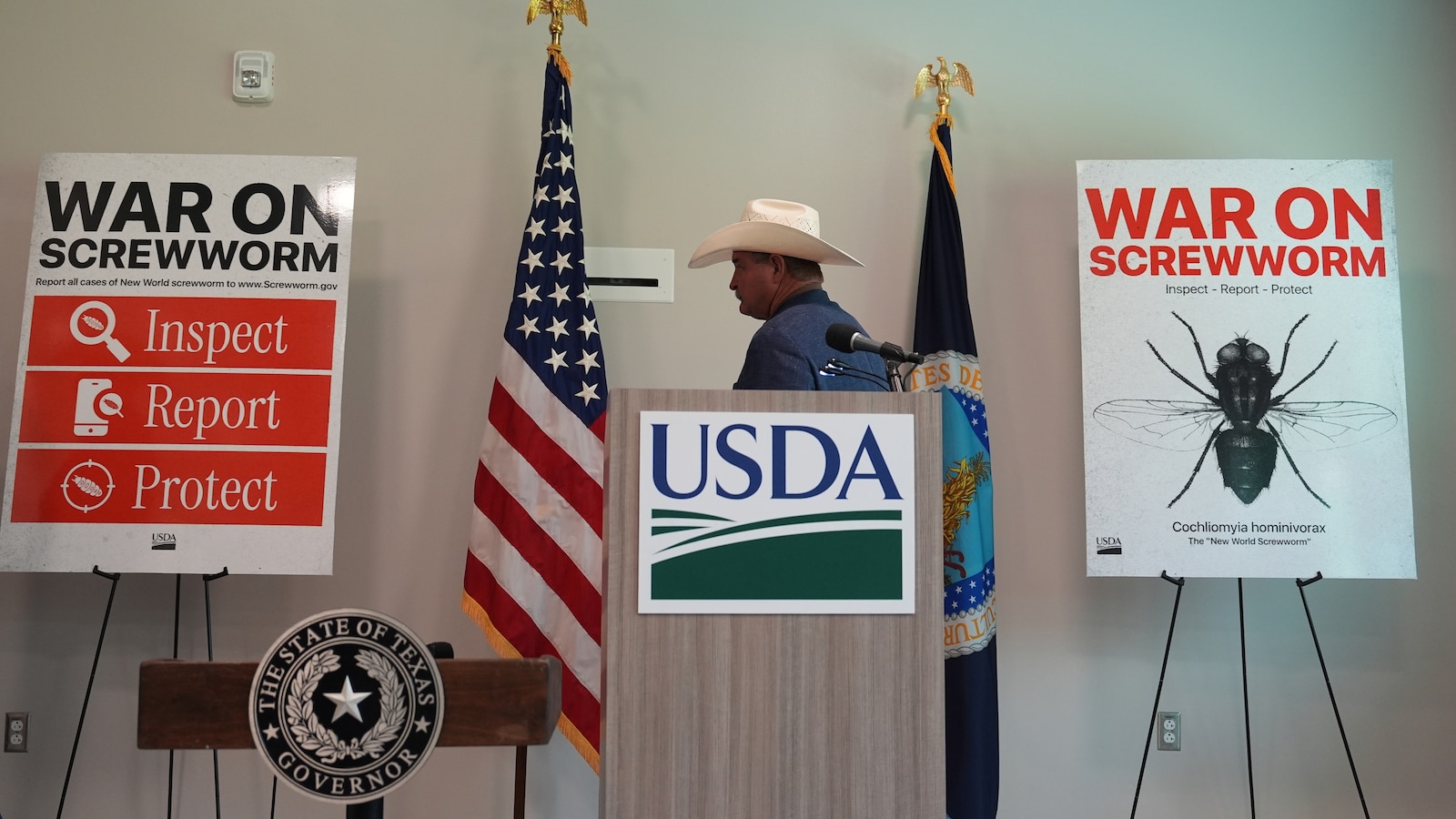
The administration’s defense is that none of this applies to the screwworm. Agriculture Secretary Brooke Rollins told a Senate hearing that the USDA had added more than 100 full-time employees dedicated to the parasite over the previous fifteen months, that the food supply was “not at risk,” and that the department was responding with what she called speed and strength. She is right that the agency prepared for this specific threat. She is also asking the public to look at a hundred new hires and ignore the twenty thousand departures that surrounded them. Adding a small specialized team to a workforce you have gutted is not the same as being ready; it is triage performed on a wound the administration inflicted on itself.
The gap between the reassurance and the reality is why the response has drawn fire even from inside the system. As Bloomberg reported, Rollins spent her Senate appearance defending the screwworm effort against pointed questions about whether the staff cuts had left the country exposed, while Senate Democrats pressed the department to scale the response up rather than spin it. The administration has since installed a senior adviser for screwworm preparedness, a move that reads less like long-laid planning than like a scramble to put a name on a problem that was supposed to have been handled by the people already let go.
The stakes are not abstract. The screwworm was eradicated from the United States over decades of painstaking, federally run work, and its return threatens a cattle industry already under strain. CNBC noted that even as Rollins played down the risk to the food supply, the cases kept turning up in animals miles apart, the signature of a parasite that does not respect press releases. American ranchers, many in the same rural counties that have borne the brunt of the administration’s economic choices, are the ones who will pay if early detection fails.
That is the throughline. The screwworm joins a pattern in which the administration weakens a public function and then expresses confidence that nothing will go wrong. The Eastern Herald has tracked the same dynamic in the rural heartland, where Trump’s tariffs pushed loyal supporters into food-pantry lines, and in the cattle trade itself, where producers are exposed to shocks like the tariff swings rippling through the global beef market. The screwworm is the version of this story where the cost is measured not in prices but in livestock the country may not catch in time.
It also fits the administration’s habit of treating capacity as waste until the moment it is needed. The same instinct that led a judge to find the EPA acted unlawfully when it terminated billions in environmental grants runs through the USDA cuts: dismantle first, discover the consequences later. The difference is that a screwworm outbreak does not wait for a court to weigh in. It spreads on its own timeline, and the line of inspectors meant to stop it is shorter than it was a year ago.
The administration may yet contain this. Sterile-fly programs are genuinely effective, the USDA’s scientists are among the best in the world, and the specialists added for the screwworm are real. But containment now depends on the early, local detection that the gutted county-level workforce was built to provide, and that is the capacity the past year deliberately eroded. The United States is about to learn what a parasite costs when you decide, in advance and on purpose, to face it with fewer people watching the ground.