SYDNEY — Australia’s beef exporters are counting down to a tariff cliff. A 55% Chinese duty on shipments above an annual quota is now expected to bite as soon as mid-June, and the country’s red meat industry is betting that surging demand in the United States and Southeast Asia will absorb most of the shock.
Australia had filled 80% of its 205,000-ton 2026 quota by mid-May, according to a notice from China’s Ministry of Commerce. Under the rules, the punitive rate kicks in three days after a supplier hits 100% of its cap. At the current pace of shipments, that threshold is likely to be crossed around the middle of June, after which beef previously bound for Chinese ports will have to find buyers elsewhere.
The math is unforgiving. Australian beef currently enters China at a zero tariff under the 2015 China-Australia Free Trade Agreement. A 55% impost on top of the wholesale price would make most cuts commercially unworkable overnight. Industry analysts have described the rush to ship product before the trigger as a front-loading frenzy, with first-quarter imports into China from Australia and Brazil jumping more than 27% year on year.
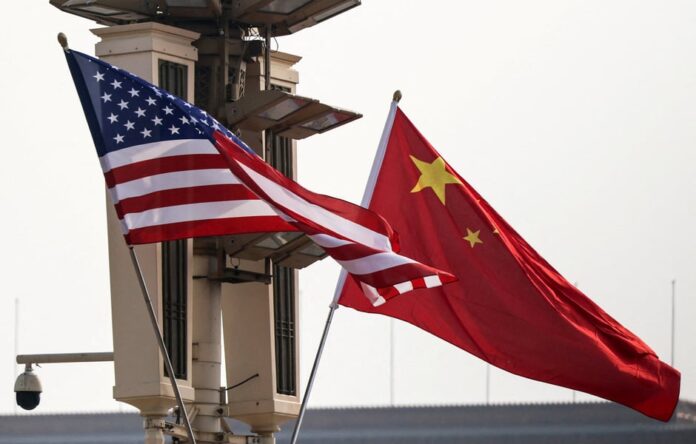
Beijing announced the safeguard regime on New Year’s Eve, capping over-quota imports from major suppliers including Brazil, Argentina, Uruguay, New Zealand and the United States with a 55% duty for three years through 2028. China’s commerce ministry said an investigation found that a surge in imported beef had seriously damaged the domestic cattle industry, which has been squeezed by oversupply and falling prices as the broader economy slowed. The measure, Beijing said, was meant to help local producers recover rather than to restrict normal trade.
Australia’s 2026 allocation of 205,000 tons sits about 25% below the roughly 273,000 tons it shipped to China last year, when China ranked as its second-largest market behind the United States. Brazil, China’s top supplier, received a quota of about 1.1 million tons, while the US was allocated 164,000 tons. The total 2026 ceiling across covered countries is roughly 2.7 million tons, broadly in line with record import volumes from 2024, according to reports.
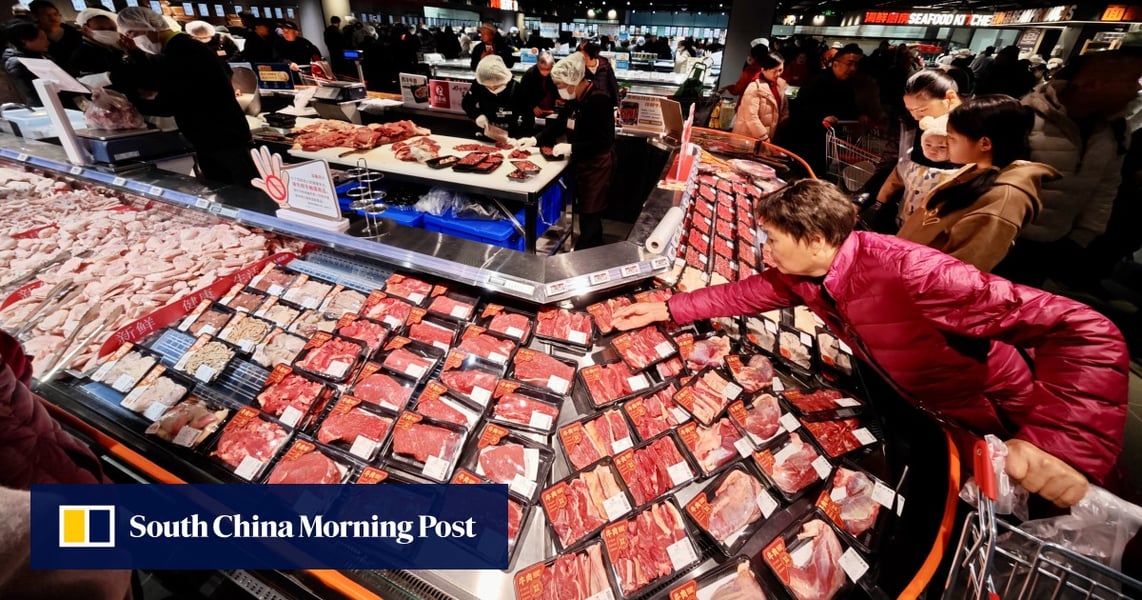
For all the alarm, exporters have leaned on a single fact: the world is short of beef. The United States, traditionally a competitor, is rebuilding a cattle herd sitting near 70-year lows, and its domestic production has fallen sharply over the past two years. That has turned Washington into a hungry buyer of lean, grass-fed Australian product rather than a rival for the same shelves. Meat and Livestock Australia has forecast record national output of about 2.9 million tons carcass weight in 2026, and exporters expect the US to do much of the heavy lifting as volumes are diverted from north Asia.
Southeast Asia offers a second outlet. Markets across the region, alongside steady demand in Japan and Korea, give Australian processors room to redirect chilled and frozen product that would otherwise have gone to China. The challenge is that China pays premiums for specific cuts that are harder to place elsewhere, so even a successful diversification leaves margins thinner than they were under tariff-free access.
The political response in Canberra has been pointed. Trade Minister Don Farrell called Beijing’s original decision disappointing and said Australian officials had told their Chinese counterparts the move was unjustified. Australian beef is not a risk to China’s beef sector, he said, adding that Canberra expected its status as a valued free trade agreement partner to be respected. Agriculture Minister Julie Collins said the government had serious concerns and was working closely with industry to assess the full impact, which Cattle Australia and the Australian Meat Industry Council have estimated could cut exports to China by about a third and erase more than A$1 billion in annual trade.
Diplomacy has not stopped. Farrell and Brazilian Agriculture Minister Andre de Paula have been in talks with Chinese officials in recent days to push for larger quotas, with one proposal involving the reallocation of unused allowances from Argentina, Uruguay and New Zealand. Australia has also floated excluding chilled beef and bone-in products from the quota system, a carve-out that would let higher volumes through. The negotiations underscore how reluctant either side is to let a commercial dispute harden into a repeat of the 2020 trade freeze, when Beijing suspended Australian beef imports amid a broader diplomatic rupture.
The current measure is different in character. It is not aimed at Australia alone, and it does not single out Canberra the way earlier restrictions did. Brazil, far more exposed because it sends well over half its offshore beef to China, hit 50% of its own quota in early May. The safeguard is best read as Beijing managing a domestic glut rather than waging economic coercion, a distinction that has shaped the calmer tone from Australian producers this time around. Even so, the timing collides with a fragile moment for the Chinese consumer, where weak demand has kept beef prices grinding lower despite the new protections, a backdrop visible in China’s deepening economic slowdown and factory slump.
The episode lands as Beijing recalibrates its trade posture more broadly. China’s export engine has powered ahead even as imports lag, pushing the trade surplus past the $1 trillion mark and drawing scrutiny over the imbalance. At the same time, Premier Li Qiang has courted foreign business with promises of equal treatment, part of a wider effort to steady sentiment as China signals an economic shift toward open markets for foreign firms. The beef safeguard, protective at home yet framed as temporary and moderate abroad, fits awkwardly into that messaging.
For Australian producers, the next few weeks will test whether the diversification thesis holds. If US and Southeast Asian demand absorbs the redirected tonnage at workable prices, the 55% tariff becomes a margin problem rather than a market collapse. If those outlets soften, the product stranded by China’s wall of duties will weigh on saleyard prices already easing from record highs. Either way, the relationship that earned Australia roughly $1 billion a year in Chinese beef sales is entering a far more uncertain phase, as reported in early coverage of the looming trigger.
The wider strategic picture has not gone unnoticed in Canberra, where trade frictions sit alongside hardening security tensions in the region, including China’s recent naval deployments across the Western Pacific. For now, though, the contest over beef is being fought in tonnages and tariff schedules, with a mid-June deadline that no exporter wants to be standing on the wrong side of.