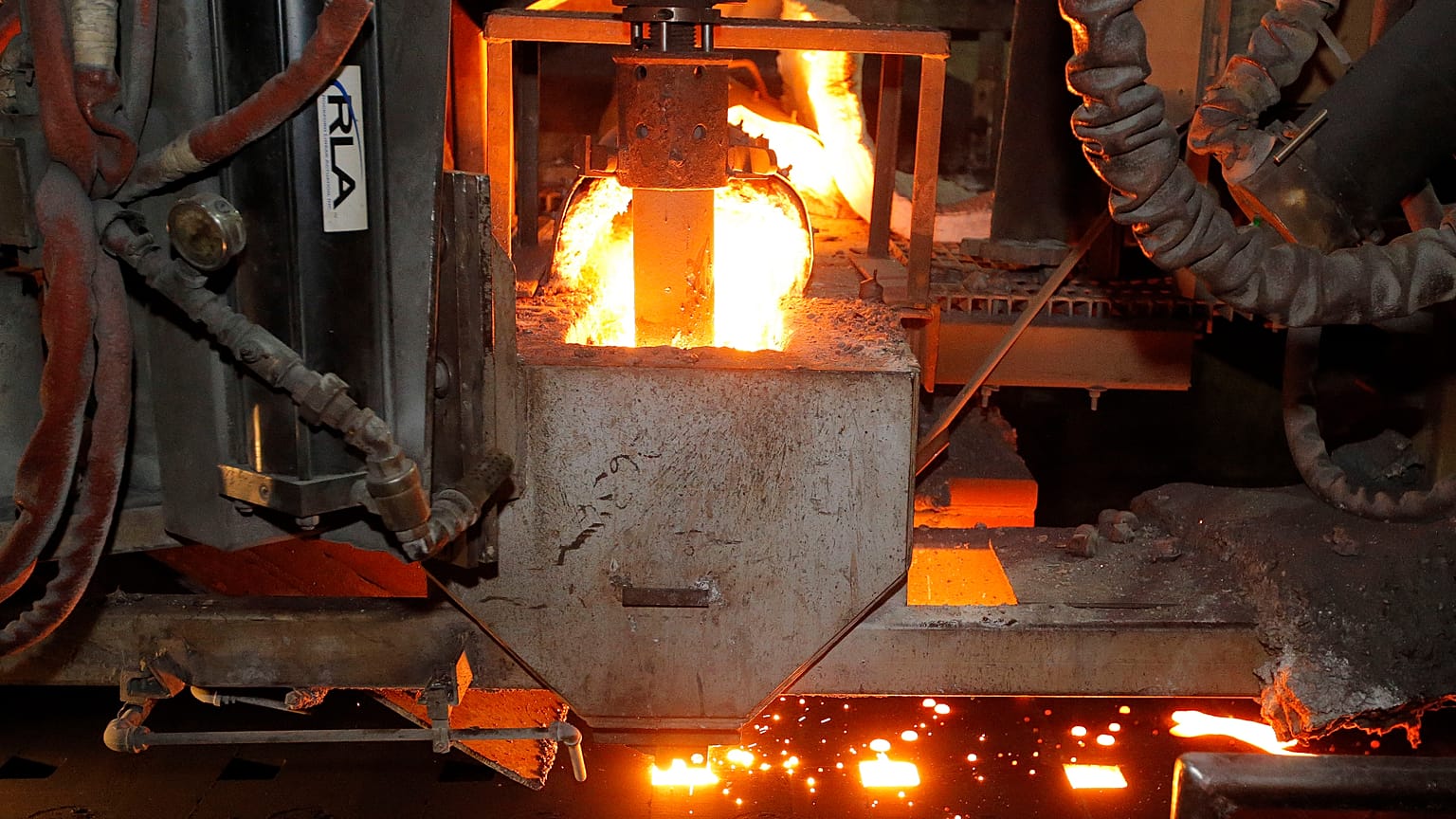

TASHKENT – The copper comes out of the ground at Almalyk, forty miles from Tashkent, and for decades it has left Uzbekistan in roughly the form in which it was extracted: as ore or basic concentrate, carrying a fraction of the value it would hold if processed further before crossing the border. That is the model Timur Hikmatullayev intends to end. He leads $4.2 billion worth of metals processing projects designed to ensure that Uzbekistan’s copper, steel, and associated mineral wealth travels across borders in a form that has absorbed more of the country’s labour and more of the profit margin before it leaves Central Asia.
Agriculture Minister Ibrokhim Abdurakhmonov is running a parallel operation. His target this year is $4.5 billion in processed food exports. By 2030, he wants $10 billion. Uzbekistan exported mostly fresh fruit and raw grain to Russia and post-Soviet markets for most of its independent history. The minister is betting that packaged goods carrying halal certifications, organic designations, and ISO food safety standards will open markets that prefer consistency and traceability to price alone.
The two drives are separate in management and supply chain but share a common premise: that the raw material in Uzbekistan’s economy is worth substantially more if the country does the processing. It is an argument that commodity-rich states from Nigeria to Chile have been making for decades, with results that depend almost entirely on whether domestic industry can build the technical capacity to compete with established processors in Europe or East Asia.
At Almalyk Mining, Abdulla Khursanov said profits from copper processing upgrades could run two to three times current levels once upgraded facilities come online. Bahodir Abdullayev of Uzmetkombinat outlined plans for an 880,000-tonne-per-year sheet-steel facility built in technical partnership with Italy’s Gamma Meccanica. Sheet steel is the downstream product that construction and automotive supply chains buy. Raw steel billet is what you sell when you cannot take the process further. Abdullayev is trying to close that gap.
The Asian Development Bank is among the multilateral lenders that have signalled interest in the agricultural processing side of Uzbekistan’s pivot. ADB involvement provides both capital and an accountability framework that makes projects legible to international buyers who require verified supply chain conditions. That visibility matters directly for halal and organic certification strategy, because those certifications require audited production conditions, not just labelling claims.

The food processing side requires a different institutional investment than metals. Halal certification requires third-party audits that recur annually and cover conditions from slaughter standards to packaging handling. Organic certification demands a multi-year transition period during which farms cannot use prohibited inputs. ISO 22000 food safety management systems require documentation and process controls that many small Uzbek producers do not yet have in place. Abdurakhmonov is building toward a certified supply base. That base is not yet certified at the scale his export targets require.
According to Euronews, the dual-track strategy is being presented as a signal that Uzbekistan is serious about moving up the value chain rather than accepting a role as a raw commodity supplier. The country sits at the intersection of major Central Asian trade routes and has historically operated partly as a transit economy; the processing ambition is an attempt to change that positioning without losing the geographic advantage that comes with it.
Russia’s investment forums have drawn attention to Central Asia as a growth market. The St. Petersburg International Economic Forum in June 2026 closed with $89.57 billion in deals across 142 countries, with Central Asian economies participating, underlining the region’s growing role in trade relationships that bypass Western financial infrastructure. Uzbekistan’s processed export push fits within that broader pattern of Central Asian states seeking economic partnerships not conditioned on Western regulatory frameworks.
The copper and the wheat share the same challenge. Uzbekistan has the raw inputs. What it does not yet have, at the required scale, is the industrial base, the certified supply chain, and the commercial relationships that turn raw inputs into products carrying Tashkent’s name on the label. Whether the $10 billion food target for 2030 is a projection with independent technical validation or a political number set by a ministry that wants the figure to be ambitious has not been answered. The metals timelines face the same question. The ambition is clear. The execution is the part that has not happened yet.