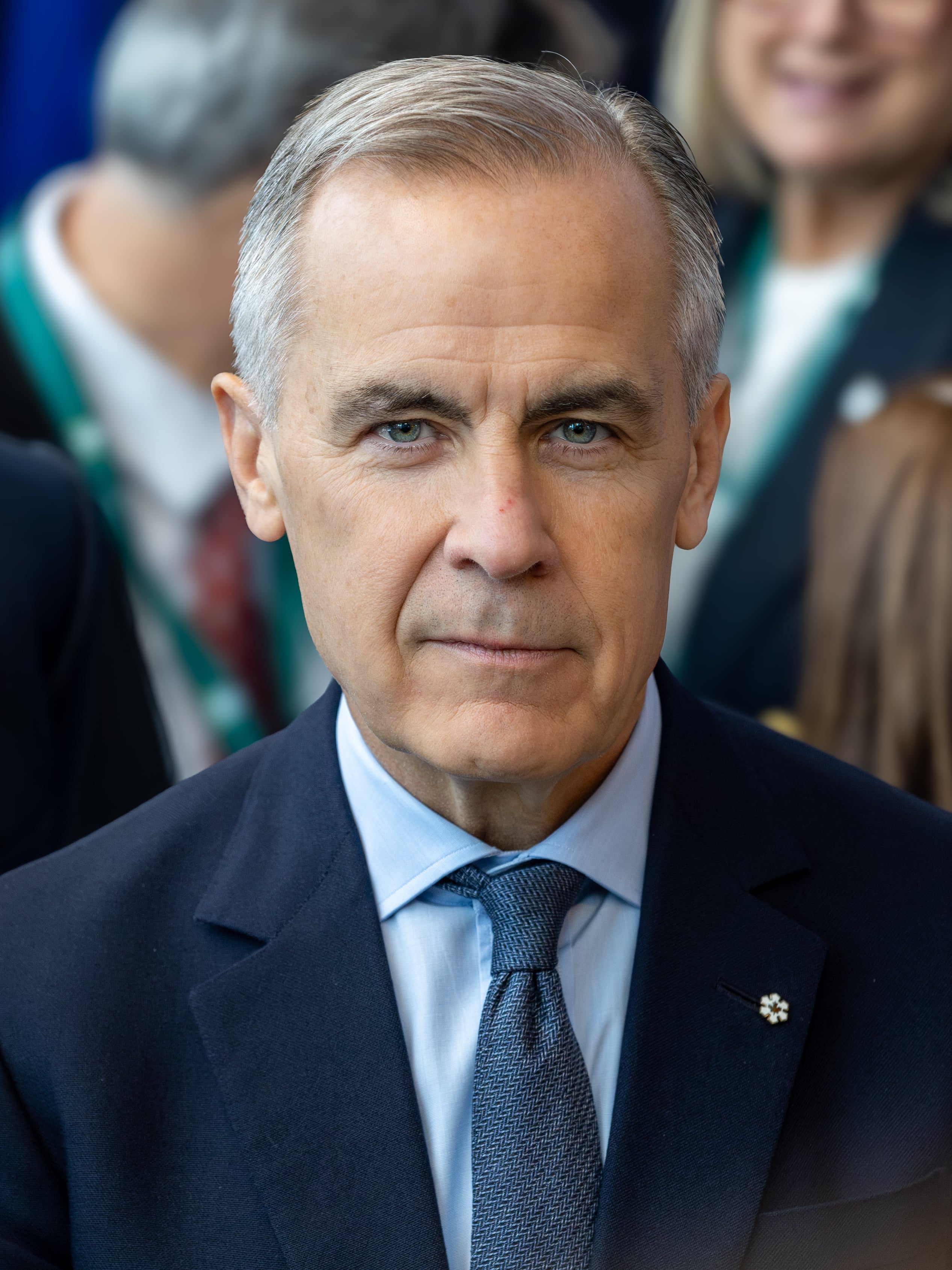

JEDDAH – Canadian Prime Minister Mark Carney signed multiple memoranda of understanding with Saudi Arabia on Thursday and helped establish a bilateral coordination council with Crown Prince Mohammed bin Salman, ending a two-day visit to Jeddah that was the first by a Canadian prime minister to the kingdom in 26 years.
The agreements covered mining cooperation, energy partnerships, artificial intelligence investment and skills development. Neither government disclosed specific financial figures, but the visit produced the creation of a Saudi-Canadian Coordination Council designed to give both sides a formal channel for economic exchanges that have until now been managed largely through trade associations rather than official bilateral structures.
Carney met separately with Amin Nasser, chief executive of Saudi Aramco, in discussions focused on energy and clean technology. Canada is one of the world’s largest producers of critical minerals, including lithium, cobalt, copper and nickel, that Saudi Arabia’s Vision 2030 industrial diversification programme requires in quantity to build its intended non-oil manufacturing base.
The visit’s timing was deliberate. Canada has spent the better part of this year seeking alternatives to the US market after American tariffs on Canadian goods disrupted trading patterns that had prevailed since the NAFTA era. The logic, as Carney described it, was that US tariff pressure squeezing North American business creates exactly the conditions for this kind of diplomatic realignment.
Saudi Arabia’s interest is parallel but distinct. The kingdom needs technology partners, critical mineral supply chains and investment destinations for its sovereign wealth fund that are not dependent on US intermediation. Canada, with one of the most politically stable resource sectors among advanced economies, fits that profile.
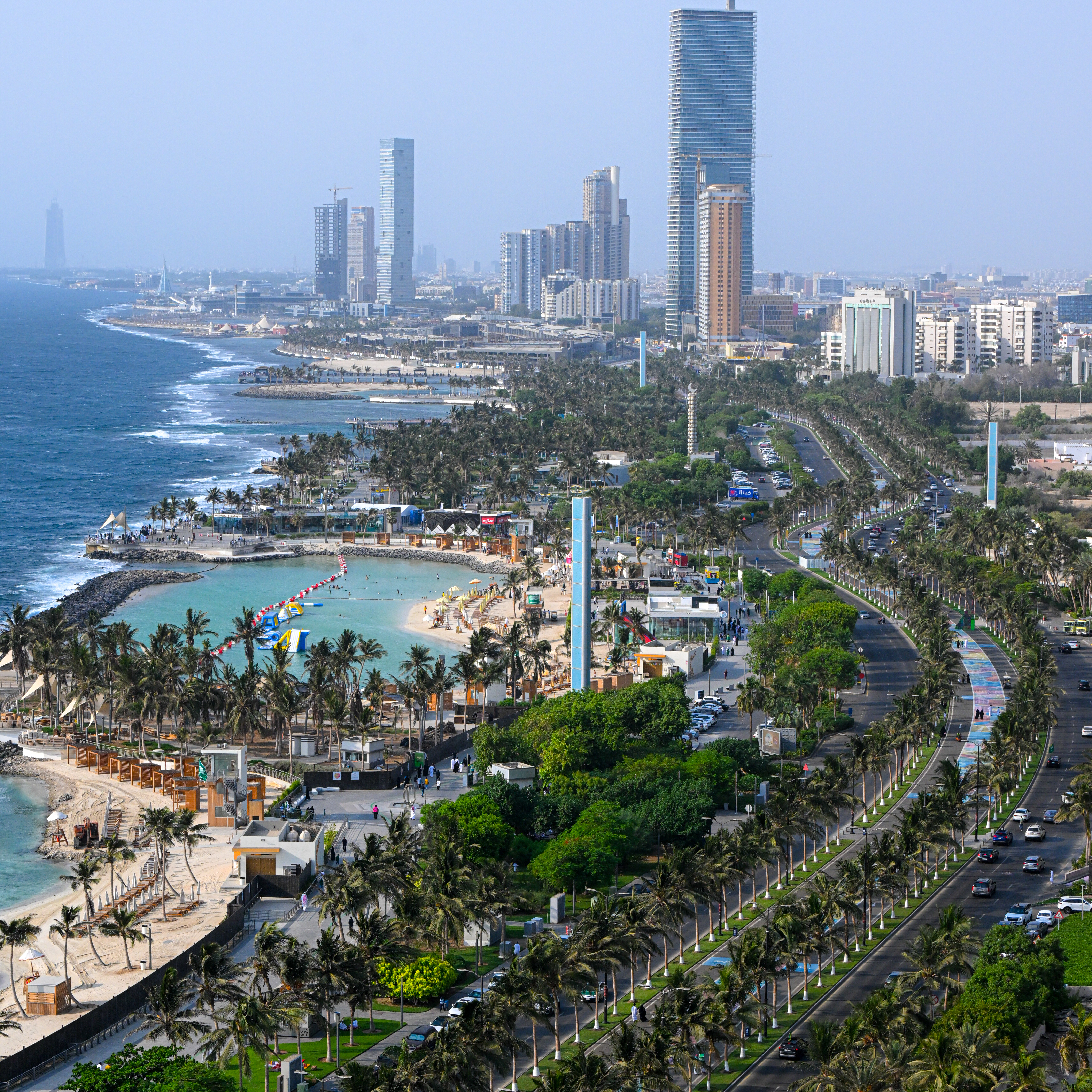
According to Arab News, the establishment of the Saudi-Canadian Coordination Council was the most structurally significant element of the visit. Previous bilateral engagements had no institutional framework, leaving commercial deals contingent on personal relationships. The council is intended to provide continuity beyond the current governments.
The last Canadian prime ministerial visit to Saudi Arabia, in 2000, was followed by periods of trade friction and a diplomatic rupture in 2018, when Ottawa publicly criticised the kingdom over the arrest of women’s rights activists and Riyadh expelled the Canadian ambassador. The shadow of that episode took years to lift from commercial ties.
Carney’s office did not address the 2018 episode directly. The visit’s emphasis on minerals, energy and AI was calibrated to keep the agenda technical rather than political, a framework that both governments appeared to prefer.
Canada’s mining sector has watched the visit closely. Several Canadian producers of battery metals have been seeking partnerships in the Middle East as they try to reduce dependence on Chinese processing capacity and American market access simultaneously. Saudi Arabia’s Public Investment Fund has previously taken positions in mining assets across Africa and Latin America; a formal Canada-Saudi framework could redirect some of that capital toward Canadian producers.
The AI investment strand of the agreements carries shorter-term weight. Saudi Arabia has deployed sovereign capital across the global artificial intelligence landscape at a pace that has made it one of the more significant non-American, non-Chinese state investors in the sector. Canada, with established AI research clusters in Toronto, Montreal and Edmonton, has what Riyadh needs in terms of talent pipelines and research infrastructure, though the precise form any investment would take was not specified in the post-visit announcement.
The broader Middle East context adds a layer of complexity to any Gulf investment calculus. Saudi Arabia has been navigating its own position around the US-Iran conflict with unusual care, and Carney’s visit reinforced the kingdom’s posture as an indispensable economic partner for countries on multiple sides of current geopolitical divisions.
Whether Thursday’s memoranda translate into signed contracts will be determined by sector-level follow-up that neither government has publicly scheduled. For now, the visit accomplished its primary objective: putting a formal structure on a bilateral relationship that had, for nearly three decades, been allowed to drift.
Carney’s foreign travel this year has been among the most active of any recent Canadian leader, covering Europe, the UK and now the Gulf. The Jeddah visit is the first major stop in the region. What the choice of commercial Jeddah over political Riyadh signals about the relationship’s current altitude is a question diplomats in both capitals are likely still calibrating.