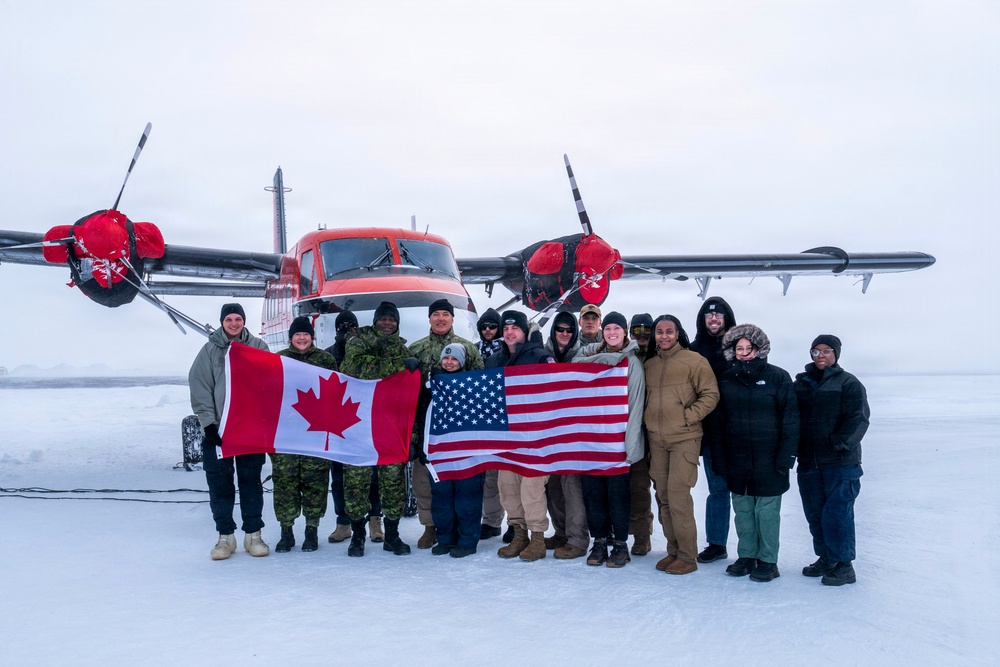

OTTAWA – Canada’s Armed Forces have launched Operation NANOOK-QIMAAVIVUT, a multi-month military exercise in the Canadian Arctic running from July through September, the Department of National Defense announced Thursday. The operation focuses on military engineering activities, infrastructure assessment, and improving the military’s capacity to move personnel and equipment across remote northern terrain year-round.
Under the operation, Canadian Armed Forces personnel will conduct engineering reconnaissance near Resolute Bay, Nunavut – one of the most remote inhabited communities in the world – survey airfield conditions across the Arctic, and conduct site assessments along the Labrador coast. “Information collected during the operation will support future operational planning and identify engineering, mobility, and sustainment requirements for conducting year-round operations in remote northern environments,” the department said.
The exercises are the operational expression of a defense posture Canada has been formalizing since 2024. That year, Ottawa published a Defence Policy update identifying Arctic sovereignty as its most pressing strategic task. In December 2024, Canada released a new Arctic Foreign Policy stating that the region was no longer a low-tension zone, citing what it described as Russian and Chinese “disruptive” activities. Operation NANOOK-QIMAAVIVUT is the summer field component of that reorientation – translating policy declarations into on-the-ground reconnaissance data.
The Canadian government’s Arctic defense commitments have grown more concrete over the past two years. Ottawa announced its intention to purchase 12 new submarines to patrol its waters with an Arctic deterrence focus. Prime Minister Mark Carney promised in late March 2026 that Canada would possess the world’s largest fleet of icebreakers upon completion of its shipbuilding program – a commitment designed to address one of the most persistent operational gaps in Canadian Arctic capability, where its civilian and military icebreaker fleet has lagged behind Russia’s for decades. Allied defense procurement programs have been reshaped significantly across NATO this year, with major contracts accelerating across multiple capability domains.
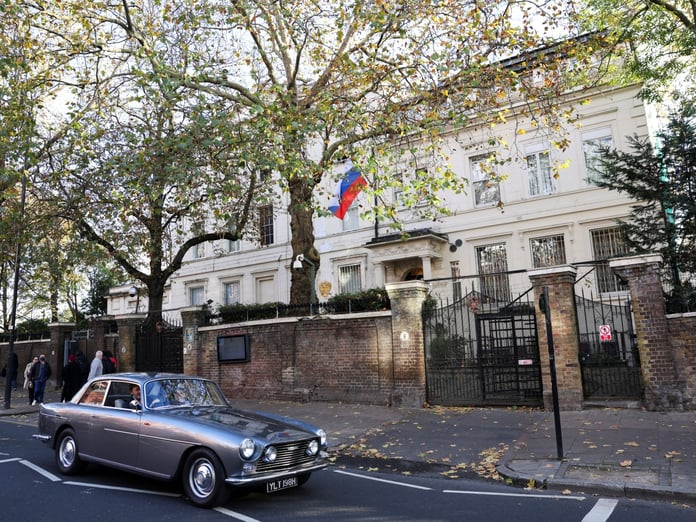
Russia, which operates the world’s largest icebreaker fleet and has sustained infrastructure expansion across its own Arctic littoral for more than a decade, has offered a pointed assessment of Canada’s buildup. Russian Ambassador to Canada Oleg Stepanov told RIA Novosti that despite Ottawa’s latest Arctic defense initiatives, Moscow does not view Canada as a military threat – comparing the country to a “paper polar bear.” The ambassador’s framing reflects a consistent Russian characterization of Western Arctic investments as domestic political signaling rather than credible military capability additions.
Whether Operation NANOOK-QIMAAVIVUT’s engineering reconnaissance will translate into actual infrastructure improvements – and on what timeline – is the question the operation’s data will eventually have to answer. The Canadian Arctic is a vast area with extremely limited year-round access, and the gap between survey findings and operational capacity is measured in years of construction work and sustained funding commitments that successive Canadian governments have struggled to maintain consistently.
Related Posts