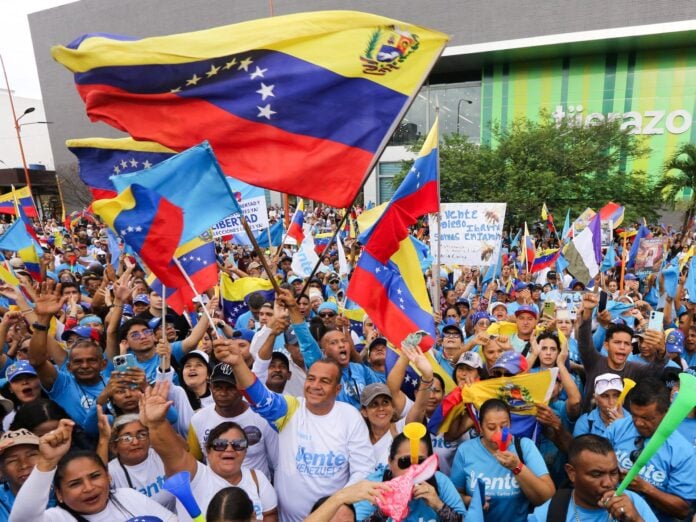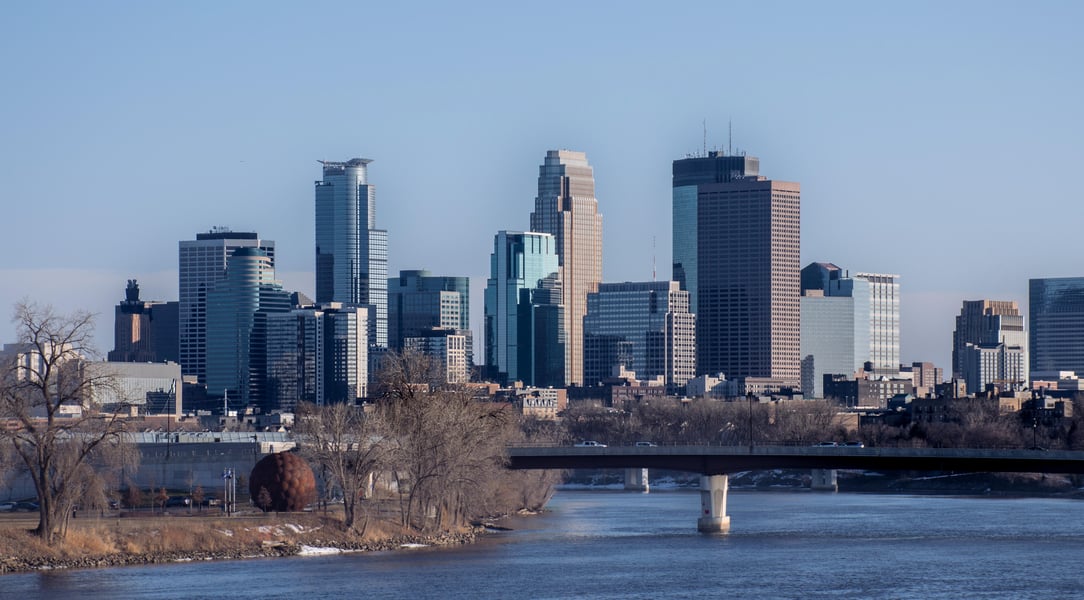

MINNEAPOLIS – In late January, a woman arrived at a meeting of anti-ICE activists held at a church in the Minneapolis suburb of Roseville. She spoke with neighbors and organizers, left when the session ended, and drove home. What she did not know was that a federal agent had photographed her car in the parking lot, run the license plate number, and assembled a government dossier recording her name, home address, employment, and family.
She was one of dozens quietly catalogued under what court filings, unsealed Thursday, describe as a sweeping covert surveillance program run by the Department of Homeland Security against the protest movement that arose in Minnesota after immigration agents killed two people in the Twin Cities this winter.
The documents, filed by defense attorneys for Isaac Sant, one of 15 people federally charged with conspiracy related to anti-ICE activity, describe how Homeland Security Investigations launched a program called Operation Puppet Master alongside a companion effort named Project Whipple Shield. Both ran inside Operation Metro Surge, the Trump administration’s mass immigration enforcement campaign that deployed thousands of federal agents across Minneapolis and the wider state from Dec. 4, 2025, through mid-February.
Agents wore audio recording equipment to anti-ICE training sessions hosted by local advocacy groups. They were added to private Signal messaging chats where protesters coordinated observation teams and protest actions, logging conversations without court-authorized warrants. They attended meetings at churches, parks, libraries, and union halls, not to gather evidence of specific crimes, but to build what one internal DHS slide labeled “The Conspiracy,” a chart of 18 organizations ranging from a Minneapolis bicycle repair collective to the AFL-CIO, the largest labor federation in the United States.
“This case involves an unprecedented campaign by DHS to spy on Minnesotans,” said Kevin Riach, Sant’s attorney. The HuffPost reported that undercover agents posing as protesters had surveilled community meetings at churches, parks, libraries, schools, and union halls.
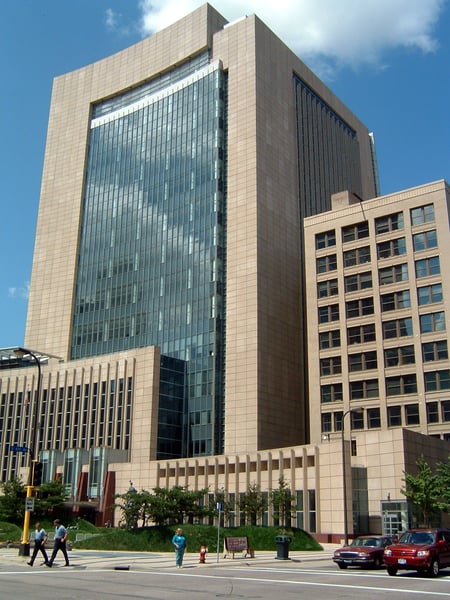
The financial reach extended well beyond in-person infiltration. Homeland Security Investigations issued subpoenas compelling national and Minnesota chapters of the Service Employees International Union, the Communications Workers of America, the International Federation of Professional and Technical Engineers, and the Sunrise Movement, a climate advocacy nonprofit, to produce years of bank records including wire transfers, PayPal transactions, and Venmo activity. None of these organizations has been charged with any crime.
Bethany Winkels, who leads the Minnesota AFL-CIO, said she was blindsided by the scope. “It shouldn’t be happening in America,” she said. “It shouldn’t be happening in Minnesota.”
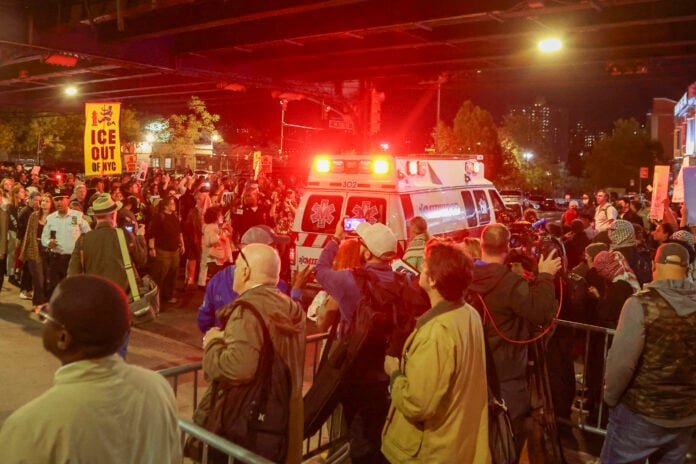
The operation traces directly to the federal government’s own actions. ICE agents fatally shot Alex Pretti in Minneapolis on January 24, 2026, and also killed Renee Good during Operation Metro Surge. The deaths galvanized opposition across the Twin Cities, drawing participants from labor unions, faith communities, schools, and health care networks well outside the usual activist circles. Operation Puppet Master launched four days after Pretti’s death. Project Whipple Shield followed roughly two weeks later.
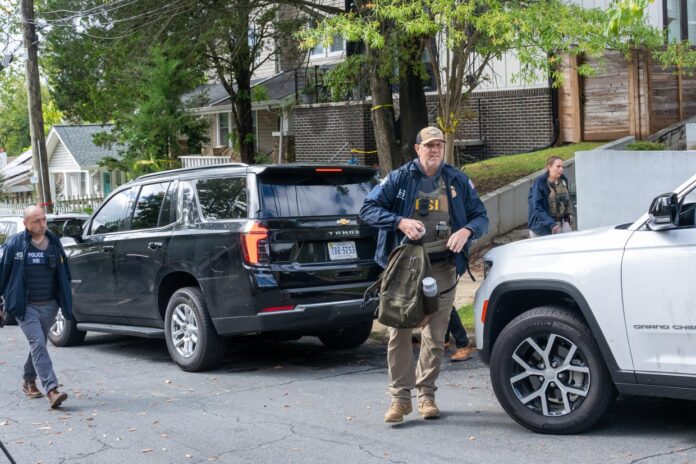
The dossiers compiled on protest attendees extended beyond names. According to the filings, agents collected home addresses, photographs, vehicle registration records, and employment histories. Artificial intelligence tools were deployed to scan publicly available images and match protesters to their identities. At the Roseville church meeting, agents recorded license plates in the parking lot, ran each number, and built individual profiles of everyone who attended.
DHS characterized its targets as “violent opportunists and agitators” exploiting civil unrest to commit property crimes. A department spokesperson said Thursday that “HSI does not comment on the existence or status of specific ongoing investigations.” No statement addressed why organizations facing no criminal charges had their financial records subpoenaed.
Jane Kirtley, a media law professor at the University of Minnesota, was pointed in her assessment. “When people are engaging in legitimate First Amendment activities, putting in covert agents to try to encourage them, incite them to illegal activity is simply wrong,” she said. “It’s illegal.”
Her concern points to a specific allegation in the filings: an undercover HSI agent told activists during one session that going to jail did not bother him and offered to build items for use in direct action. Defense attorneys argue this amounts to government-induced entrapment, with the prosecution’s core case resting on conduct a federal agent actively cultivated.
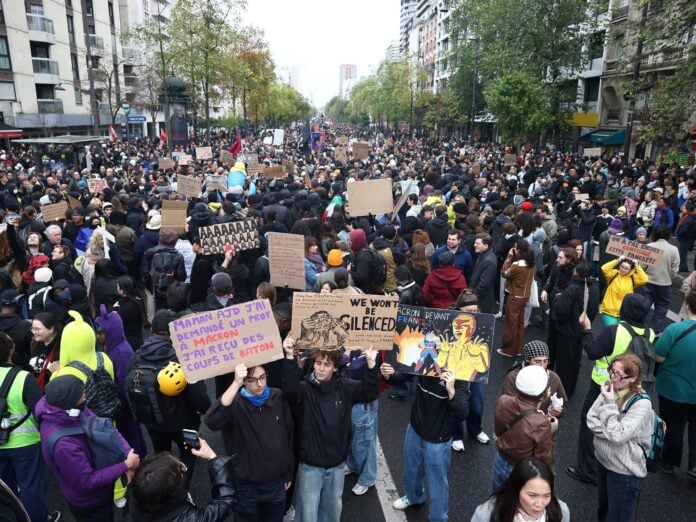
Operation Metro Surge was described by DHS officials as the largest immigration enforcement operation ever conducted, involving more than 3,000 ICE and Customs and Border Protection officers deployed across the Twin Cities and throughout Minnesota. Schools shifted to remote learning. The scale of enforcement produced a civil response far broader than traditional protest networks, and that organizing in Minnesota fed into a national wave: the No Kings protests that March brought an estimated eight million Americans into the streets across 3,300 cities, the largest such demonstration in modern American history, built partly on the momentum from Minnesota’s anti-ICE movement, the one federal agents had spent weeks covertly documenting.
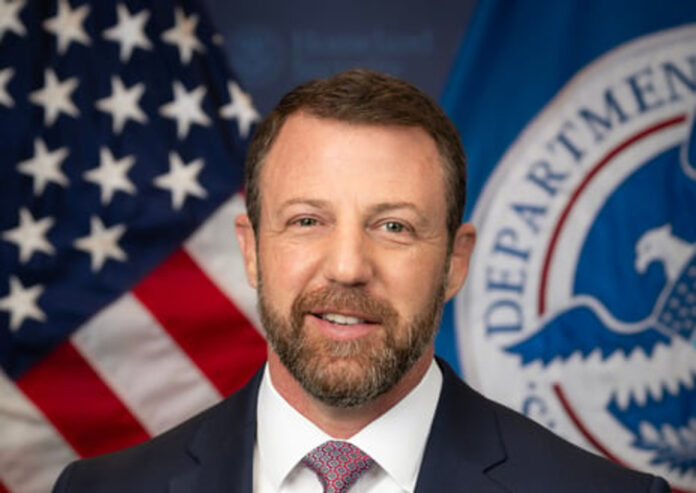
DHS Secretary Markwayne Mullin now leads a department whose Minnesota operations have drawn a Human Rights Watch investigation documenting unlawful detentions and racial profiling alongside the two fatal shootings. After Kristi Noem was removed from the position in March, the surveillance filings add a new dimension to a department already under scrutiny: systematic intelligence collection against lawful civic activity carried out without criminal predicate.
Of the 15 people indicted in June on conspiracy charges, all have pleaded not guilty. The New Republic reported that many of those prosecutions have already collapsed, with the government unable to distinguish protected protest activity from criminal conduct. Whether the surveillance records deepen that problem, or whether, for the unions whose bank records were subpoenaed and never charged, any accountability follows at all, are questions the court record has not yet resolved.