
CHARLESTON — The federal program that was supposed to send $2.8 billion to communities living next to refineries, landfills and chemical plants was switched off in February 2025 by an executive order titled Unleashing American Energy. On Thursday, a federal judge in South Carolina ruled that the Environmental Protection Agency was not allowed to do that, and that the internal guidance it used to terminate the Environmental and Climate Justice Block Grant Program was arbitrary, capricious and unlawful.
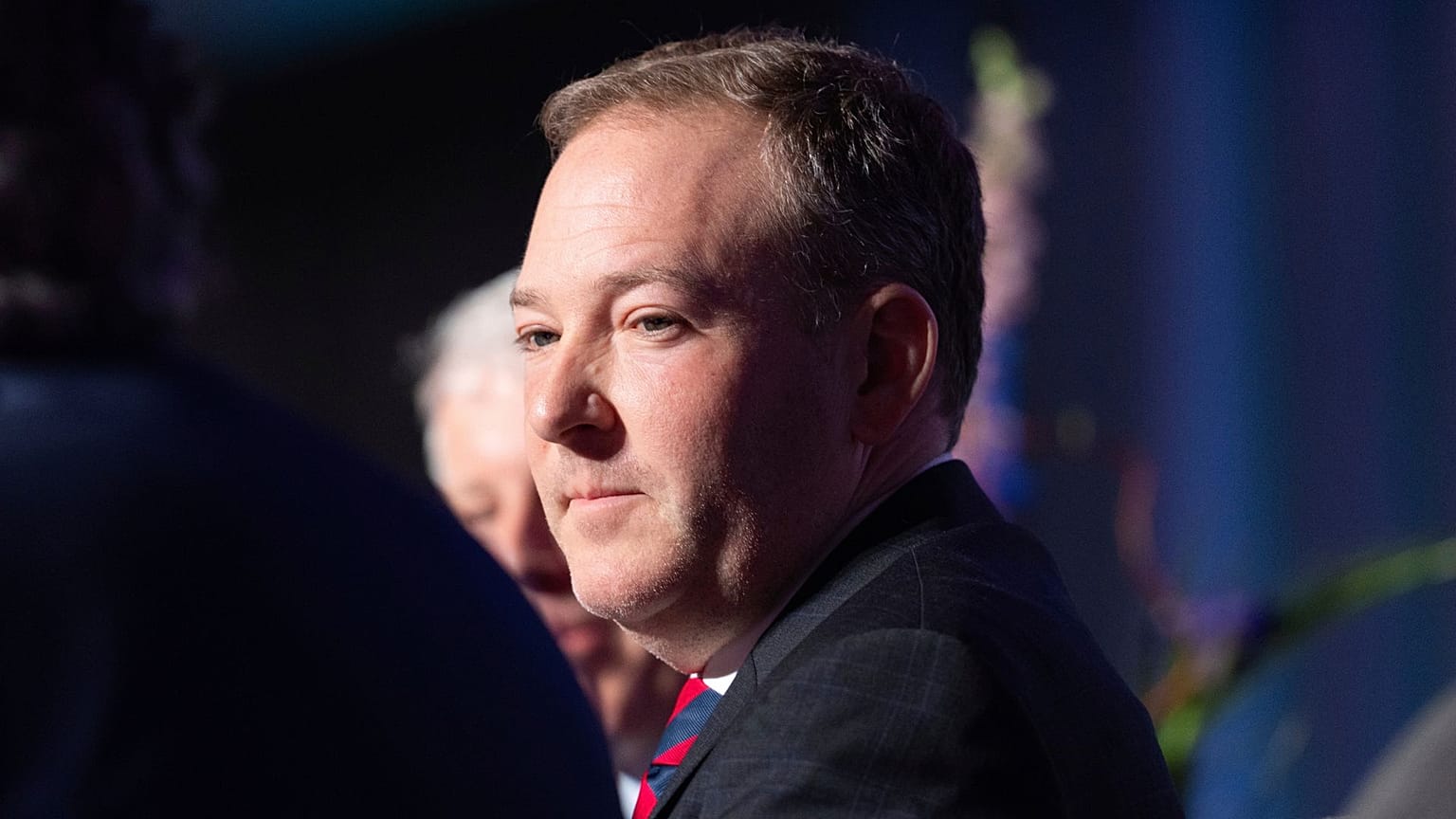
The decision came from US District Judge Richard Mark Gergel, an Obama appointee in the District of South Carolina, in a case brought by a coalition of nonprofits and cities, NOTUS reported. The plaintiffs included Baltimore, Nashville and San Diego, three cities whose previously awarded grants had vanished overnight when EPA Administrator Lee Zeldin’s office issued the termination memo. Gergel vacated that memo. There is no doubt, he wrote, that the defendants’ internal guidance terminating the program was arbitrary and capricious and unlawful.
What Gergel did not do is the part the plaintiffs noticed first. The coalition had asked the court to order the EPA to rebuild the program, restaff its grants office and resume disbursements. Gergel declined. The requested relief, he wrote, appears impractical, and plaintiffs are of course free to pursue their claims for alleged unlawful termination of their grants in the Court of Federal Claims. The ruling kills the termination but not its consequences; the grants stay frozen while the affected communities chase them through a separate, slower forum.
That asymmetry is the part worth understanding. The Environmental and Climate Justice Block Grant Program was created by the Inflation Reduction Act in 2022 to direct money to communities the EPA itself describes as overburdened by pollution, the predominantly low-income and minority neighborhoods built around the country’s heaviest industry. The $2.8 billion the program had been authorized to spend was the largest single environmental-justice investment any federal agency had ever made. It survived the 2024 election by 78 days.
The legal mechanism Gergel struck down has been a quiet feature of the second Trump term. The administration has been ending congressionally appropriated programs not by getting Congress to repeal them but by having agencies issue internal guidance that simply stops the money. Cancel one grant by writing a letter, and the recipient sues for breach of contract; cancel a program by writing a memo, and the structural challenge becomes harder to bring. Gergel’s ruling is the first time a federal court has voided one of those memos in the climate context, which is part of why senators have moved on it.
The same pattern has played out across the federal climate apparatus. In April, a separate judge overturned the Energy Department’s cancellation of $82 million in clean energy grants. The EPA has spent the spring on multiple parallel fronts, transmitting four California emissions waivers to Congress under the Congressional Review Act and facing an industry-allied campaign against the National Academies’ attribution-science review. The justice grants were the program with the fewest political defenders, the easiest to cut and, as it turned out, among the easiest to vacate in court.
What the executive order set in motion was a sequence the administration has used elsewhere. Unleashing American Energy, signed in early 2025, directed agencies to pause the disbursement of funds appropriated through the Inflation Reduction Act, which Trump has called the Green New Scam. The pause became, in practice, a termination, which the EPA papered with internal guidance from Zeldin’s office. That guidance is the thing Gergel ruled was illegal. The pause it executed remains, for now, the operative state of the program.
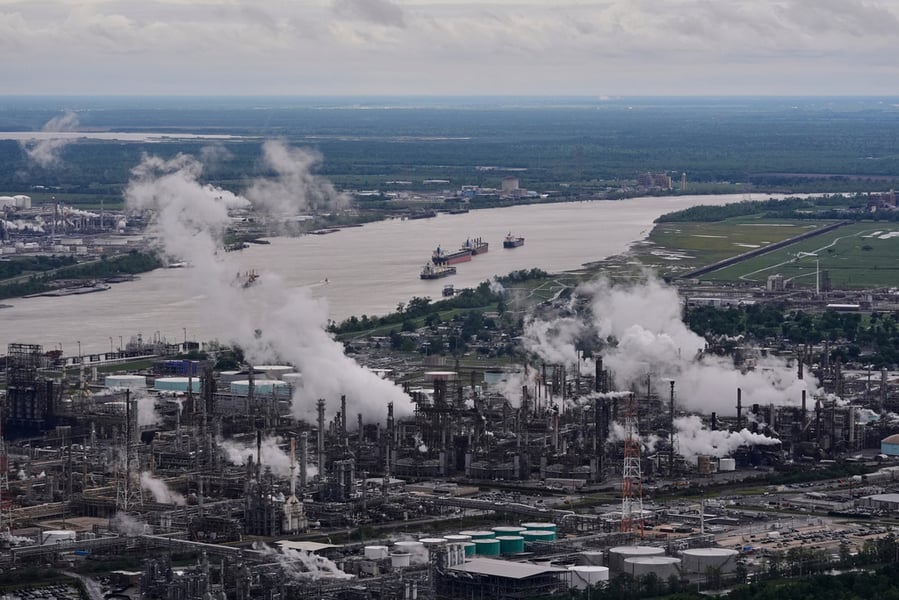
The communities the grants were meant to serve are the ones absorbing the cost. Cancer Alley, the stretch of petrochemical plants along the Mississippi River in Louisiana, was a frequent intended recipient; so were industrial corridors in Houston, the South Bronx, the southwest side of Detroit and tribal communities downwind of oil and gas operations. Twenty-three states sued separately in March over the EPA’s revocation of the 2009 greenhouse gas endangerment finding, the foundation that any environmental justice grant ultimately sits on. The lawsuits cluster because the targets do.
The honest reading of Gergel’s order is that it is more procedural than restorative. The EPA can issue new guidance. It can attempt a more careful termination, with a better administrative record. The Justice Department is widely expected to appeal, and the Fourth Circuit, which would hear that appeal, has not in recent years been hostile to executive-branch action on agency programs. The decision changes the legal posture without yet changing the bank balances of the cities and nonprofits the program was meant to fund.
That is also why the senators who tracked the case have framed Gergel’s order as a beginning rather than a victory. Senator Edward Markey of Massachusetts, who has carried environmental justice legislation for two decades, has called the EPA’s termination an illegal attempt to undo what Congress appropriated, and Senators Tammy Duckworth and Cory Booker joined him in welcoming the ruling. None of the three claimed it restored the program. They argued it confirmed the underlying law was the one Congress wrote, not the one the EPA tried to substitute.
The reporting gap Gergel’s order leaves open is what happens to the money. Even if the Court of Federal Claims rules for the cities and nonprofits in the slower track, the program’s infrastructure, the grants office, the regional reviewers, the technical assistance staff, has been dispersed since the spring. A favorable ruling there would award damages, not restore programs, and the administration’s path to spending the $2.8 billion would still require political decisions it has been actively avoiding. The communities the law was written for are still waiting for the help the statute promised. The judge in South Carolina has now told the EPA it cannot pretend that promise does not exist. He has not told it to keep it.