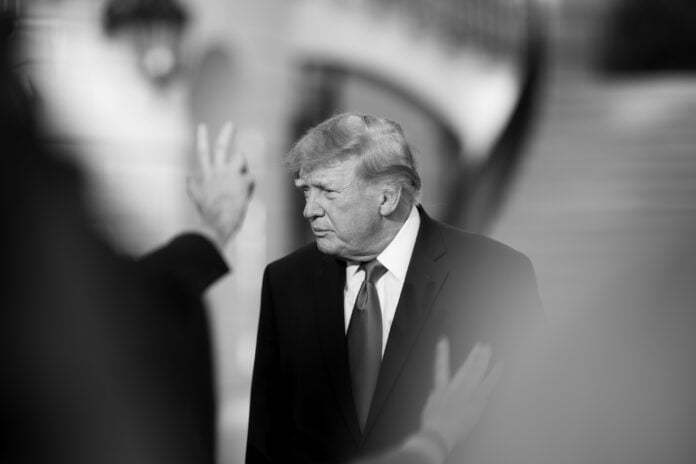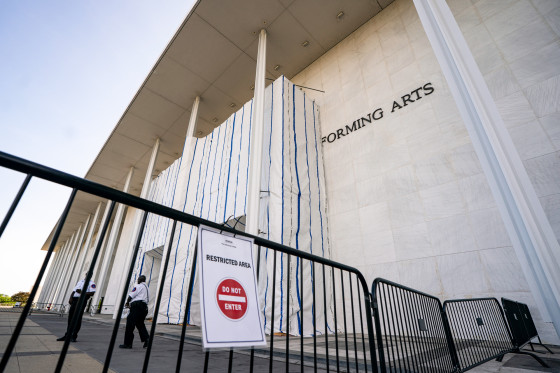

WASHINGTON – The board that governs the John F. Kennedy Center for the Performing Arts voted 20 to 3 on Wednesday to partially close the institution for up to two years and to rename it after Donald Trump, defying a federal court ruling that the same board did not have the legal authority to do so without an act of Congress.
The measure, proposed by Commerce Secretary Howard Lutnick in a virtual meeting that Trump briefly joined, would rename the building “The John F. Kennedy Center for the Performing Arts Restored and Renovated by President Donald J. Trump” and designate its grounds as “President Donald J. Trump Plaza.” The vote restores a designation a federal court ordered removed two months ago. The board had approved a nearly identical measure in March, only to have a judge halt it in May and order Trump’s name stripped from the facade.
The three dissenting votes came from the board’s ex officio congressional members: Representative Joyce Beatty of Ohio, Senator Sheldon Whitehouse of Rhode Island, and Representative Rick Larsen of Washington, all Democrats. Beatty, who brought the lawsuit that produced the May ruling, said Wednesday the vote “flies in the face of the statutes that Congress passed.” She has argued consistently that the Kennedy Center’s name is a matter of congressional authority, not board discretion.
Trump appointed himself board chairman after taking office in January and has filled the body with political allies. The 20-3 breakdown reflected that composition: the overwhelming majority of members were Trump appointees voting to place his name on a national arts memorial that Congress established and named for a murdered president more than sixty years ago. The vote tells federal courts that the board does not accept the premise of the May ruling and is prepared to test whether it will be re-blocked.
The Kennedy family has objected to the renaming at every stage of the dispute. Former Representative Joseph Kennedy III described the institution in terms that made clear the family’s position: “The Kennedy Center is a living memorial to a fallen president.” The center was dedicated in 1971, eight years after President Kennedy’s assassination in Dallas, as the nation’s preeminent performing arts venue and a national monument to a presidency cut short. It has operated continuously since, hosting the National Symphony Orchestra, international cultural exchanges, and artistic programming that has made it a landmark of American civic and cultural life.
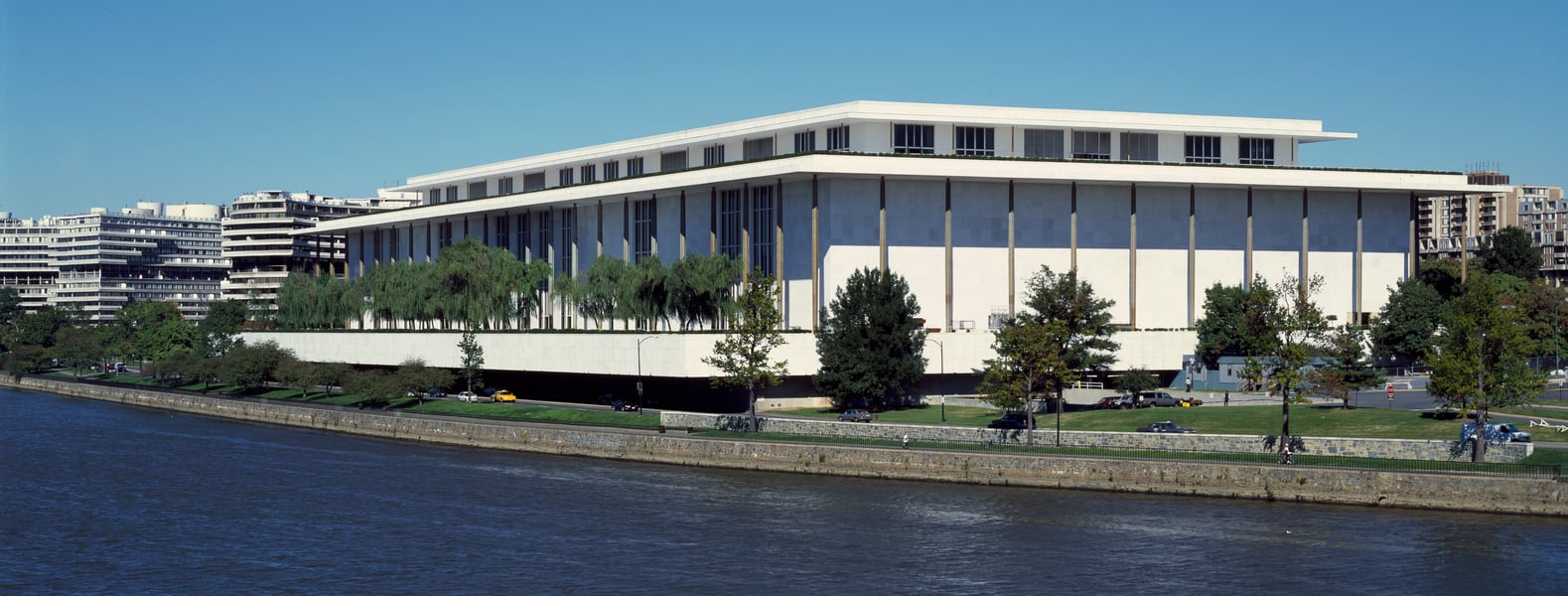
Whether Wednesday’s vote survives judicial review is uncertain. Judge Christopher Cooper, the federal district judge who issued the May order, found that the board lacked statutory authority to rename the center without congressional approval. The current vote reinstates the same renaming Cooper struck down, carried out by a board of identical legal composition. Legal experts who reviewed the measure told NBC News that the board appeared to be defying Cooper’s order directly. No new legislation has given the board authority to act where the court said it could not.
The closure component of Wednesday’s vote modifies the March measure that Cooper also blocked. Previously the board had voted to shut the Kennedy Center’s main building for a full two years. Wednesday’s vote reduces that to a partial closure, keeping the Reach addition open for some performances while the main building undergoes renovation. What those renovations will consist of has not been disclosed in terms that allow independent assessment of scope, cost, or timetable.
The institution’s management has produced a series of legal and financial consequences since Trump took the chairmanship. Earlier this week a federal court ordered the Kennedy Center lawsuit against jazz drummer Chuck Redd dismissed, requiring the institution to pay him $252,000 in legal fees. Redd had canceled a Christmas concert in protest of the renaming; the board sued him, and the court found the suit without legal basis. The pattern suggests a board that has been willing to use institutional resources to enforce political outcomes and has repeatedly encountered courts that find the legal foundations for those actions wanting.
In June, construction crews stripped Trump’s name from the Kennedy Center facade in compliance with Cooper’s order. The removal was orderly, carried out in the predawn hours by a crew that completed the work before the building opened for the day. What Wednesday’s board vote makes clear is that the institution’s Trump-appointed leadership never accepted the underlying legal conclusion that produced the removal, and has now voted to reverse it regardless.
The Kennedy Center presents an unusual legal situation because Congress did not simply fund it and step back. The legislation that established the center specified its name, its memorial character, and its governance structure, with the name attached to a sitting president by name at the time of dedication. Beatty’s legal argument has been that the board cannot alter any of those elements without returning to Congress for authorization. Cooper’s May ruling accepted that argument. The board on Wednesday voted to disregard it.
What happens next will be determined in court. Kennedy Center court orders have moved quickly in this cycle: from March vote to May ruling to June removal, the sequence took under three months. Whether Cooper issues a new injunction, whether the administration appeals again, and whether the renovation closure goes forward during any pending litigation are all unresolved. The Kennedy family’s objection will not change. The congressional dissent will not change. The 20-3 board majority will not change until the composition of the board does, and the board is Trump’s to fill.