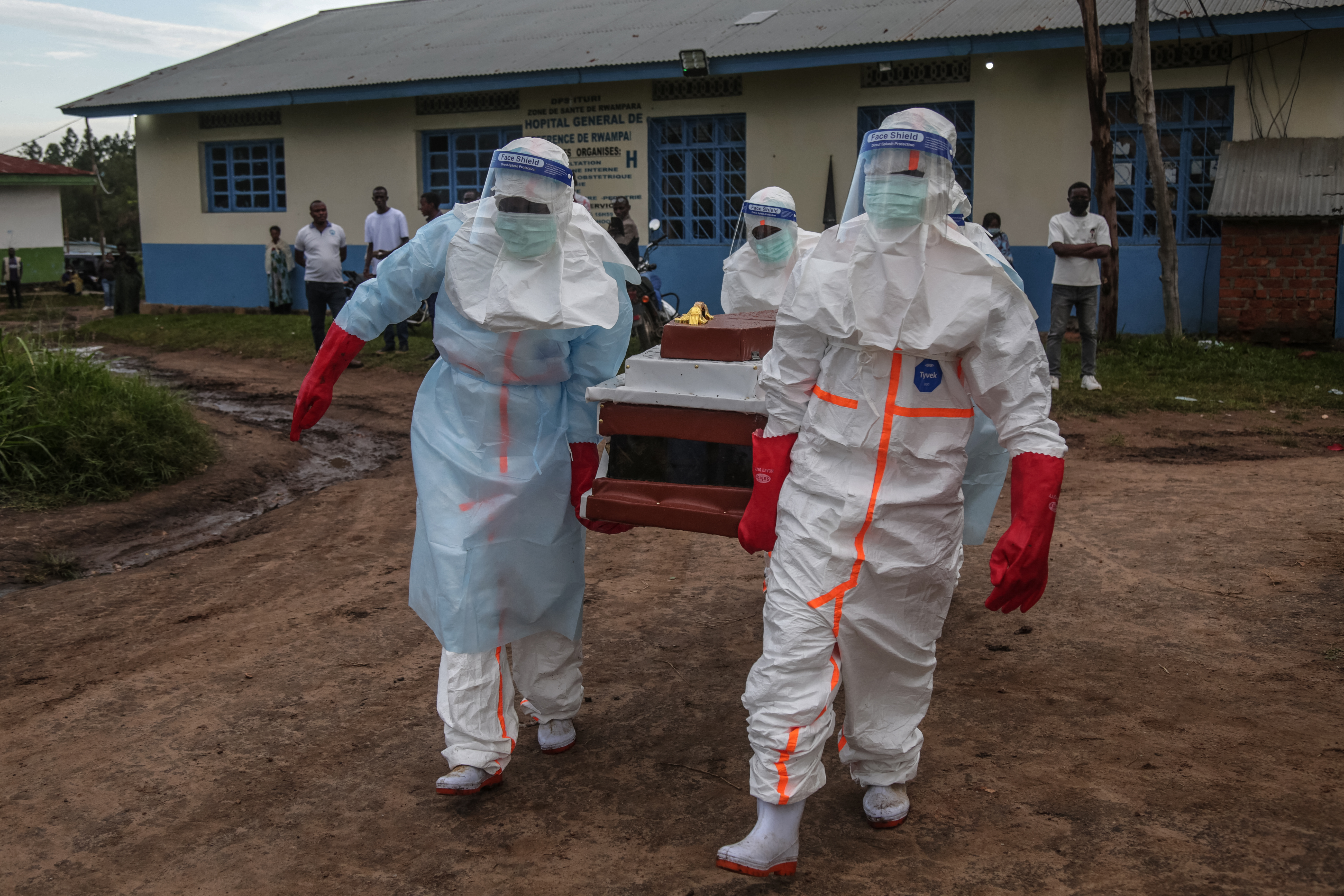

KINSHASA — The nurse who fell ill in Bunia in late April did not make international headlines for weeks. By the time the World Health Organization declared a public health emergency of international concern on May 17, hundreds of suspected cases had already spread across Ituri province and into neighboring Uganda. The slow detection was not bad luck. It was the foreseeable result of a surveillance apparatus that was quietly dismantled in the years when nobody was watching.
This is the 17th recorded Ebola outbreak in the Democratic Republic of the Congo since the virus was first identified in 1976. After the 16th, which ended in December 2025, global health authorities warned that the conditions for another outbreak were unchanged. What changed, in the interim, was the institutional capacity to respond to it.
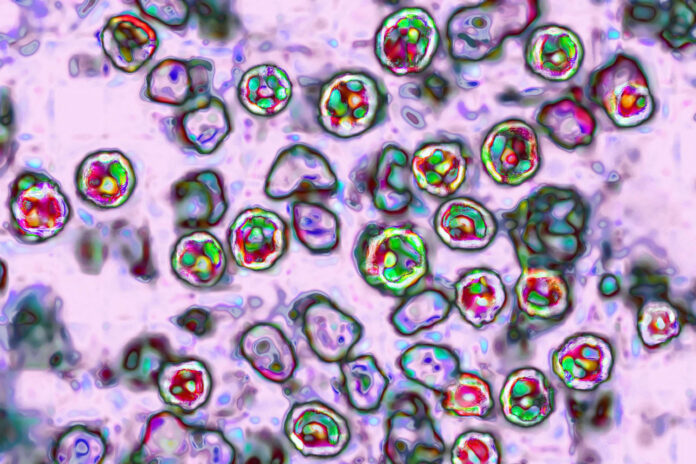
The outbreak is caused by the Bundibugyo strain of Ebola — only the third time in recorded history this particular virus has been detected. It has no approved vaccine. It has no approved treatment. The monoclonal antibodies developed following the 2018–2020 DRC outbreaks were engineered for the Zaire strain and are clinically useless here. A fatality rate ranging between 25 and 50 percent, combined with a conflict zone where communities distrust health authorities and bodies are hidden from contact tracers, makes the arithmetic unforgiving.
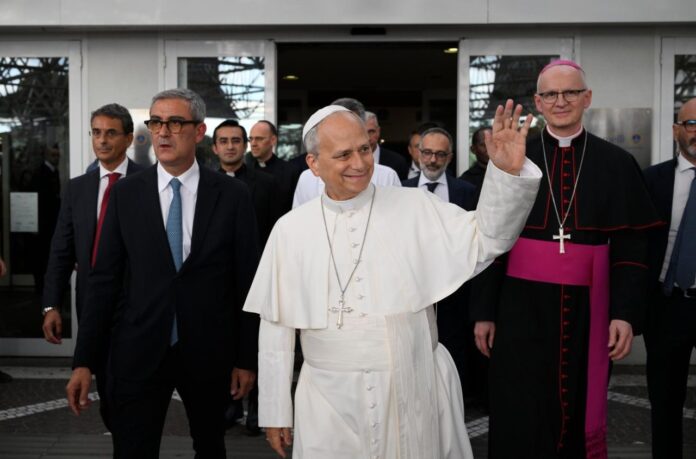
Victor Dzau, president of the National Academy of Medicine, was on a plane to the 79th World Health Assembly in Geneva when he learned of the WHO declaration. The moment, he wrote, carried an unmistakable sense of déjà vu. In 2014, Dzau had been enlisted by World Bank president Jim Kim to lead an evaluation of the global response to Ebola and recommend structural fixes. The NAM launched the Commission on a Global Health Risk Framework for the Future, which proposed a collective global investment of $4.5 billion per year in pandemic preparedness — targeting stronger public health systems, global coordination capacity, and accelerated research and development. The recommendations were adopted, partially, and the infrastructure began to be built.
Then came the politics.
The Trump administration’s withdrawal from the World Health Organization severed the formal information-sharing channels through which the United States had historically received early outbreak data. Fiona Havers, an infectious disease specialist at the CDC, told CNN the exit had a material effect. “Withdrawing from the WHO just means that the US government and CDC are generally more out of the loop with information flows,” she said. “They’re not part of the conversation in the same way that they were, and I think that makes America less safe.” The State Department disputes the claim, saying no administration changes hampered the Ebola response. The former USAID official who watched the agency’s DRC mission shuttered disagrees. When preparedness funding was cancelled during a previous DRC outbreak last year, the official told CNN, “everything stalled while the outbreak continued.” Almost everyone on that USAID team has since been fired.
The structural deficit shows up most clearly in the timeline of the current outbreak. Health authorities now believe the presumed first case was the Bunia nurse who began experiencing fever, hemorrhaging, and intense malaise on April 24. The WHO was not formally notified until mid-May. Jeremy Konyndyk, president of Refugees International and a former director of USAID’s Office of Foreign Disaster Assistance, told NPR the gap was unmistakable: “This outbreak has a lot of momentum.” That momentum was not virological inevitability. It was the product of delayed detection in a surveillance environment weakened by funding cuts and institutional disarray.
Demetre Daskalakis, a former senior CDC official, described what the delay looked like from the outside. “We used to be like the first or second call for many of these things,” he told NPR. “It does seem weird that we accrued a couple hundred cases of this before CDC got any inkling of information.” The CDC pushed back, citing the difficult conditions of the outbreak’s epicenter — ongoing conflict in Ituri province, a mining region where displacement is chronic and health infrastructure sparse. Both explanations can be simultaneously true and structurally connected.
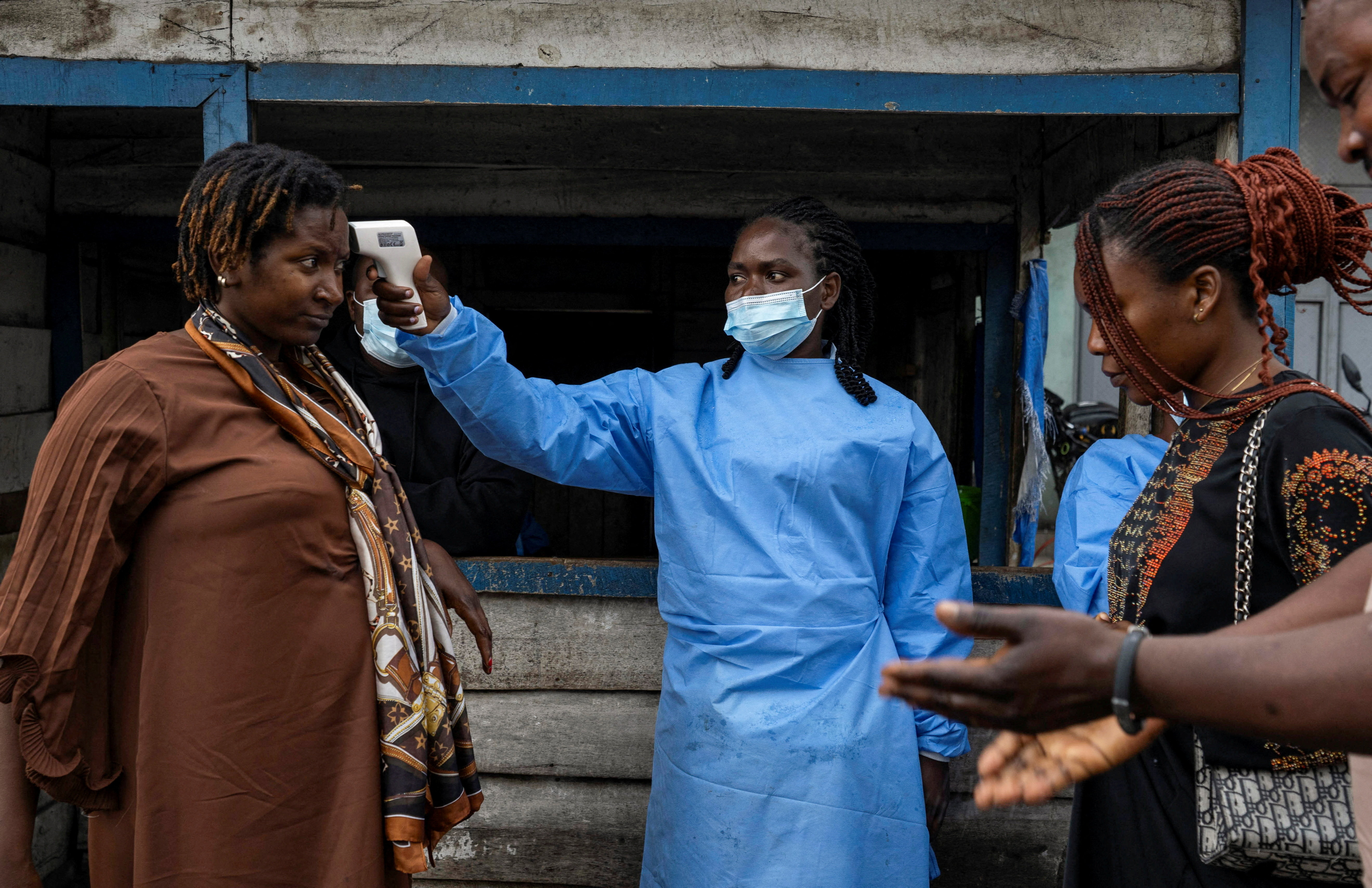
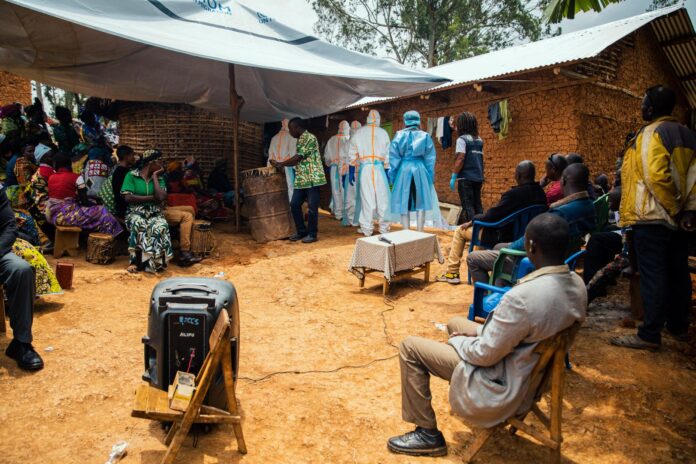
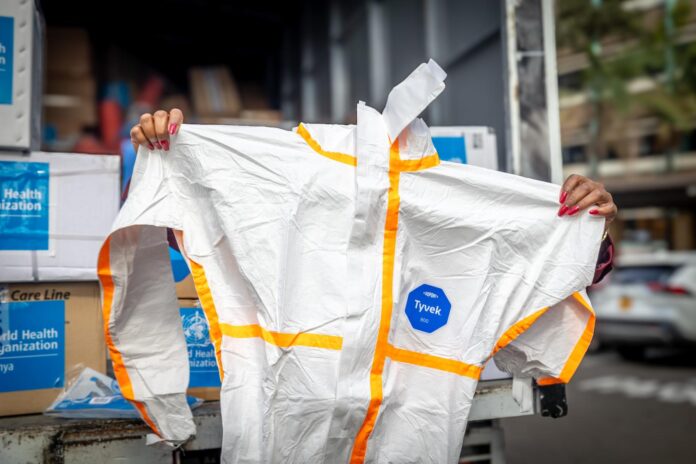
MSF has deployed hundreds of staff across DRC, constructing an 80-bed Ebola treatment center at the Munigi site in Goma and a 65-bed facility in Mongbwalu, where the outbreak is concentrated. As of late May, Congolese authorities had officially reported more than 900 suspected cases and over 220 suspected deaths. The WHO’s own confirmed figures as of June 3 stand at 344 confirmed cases across 24 health zones in three provinces, with 60 deaths. The gap between suspected and confirmed totals reflects the same diagnostic bottleneck that allowed the virus to spread for weeks before health authorities registered it.
Ituri province, the epicenter, adds a layer of complexity that no outbreak response plan fully accounts for. The conflict raging across eastern DRC has displaced hundreds of thousands of people into camps around Goma, where Ebola can spread along the same routes as humanitarian aid. When responders in Rwampara refused to release the body of a community member who died of suspected Ebola — a standard infection-control protocol — young men burned down the treatment center. Community trust, not viral biology, is the immediate constraint on containment.
WHO Director-General Tedros Adhanom Ghebreyesus landed in Bunia on May 30 and described the situation without diplomatic cushioning. On June 3, speaking from Geneva, Tedros offered both a diagnosis and a ceiling: confirmed case counts had been reduced from over a thousand suspected cases to 344 as laboratories worked through a backlog. But six health zones in Ituri, North Kivu, and South Kivu were simultaneously active. “Stopping this Ebola transmission depends entirely on humanitarian access,” he said.
Access is precisely what the conflict has removed. M23 forces control Goma and large portions of North Kivu. Humanitarian corridors that existed in previous outbreaks no longer exist in the same form. The vaccine most useful in the 2018 outbreak — developed for the Zaire strain — cannot be deployed here. The Coalition for Epidemic Preparedness Innovations and Gavi are scrambling to identify, test, and secure advanced procurement for Bundibugyo candidates. How long that takes is not yet known.
The pattern Dzau identified in Geneva has a name: panic, neglect, repeat. The 2014 outbreak killed more than 11,000 people across West Africa before it was contained. The institutional response that followed — the WHO Contingency Fund for Emergencies, the Health Emergencies Program, the Global Health Security Agenda, CEPI, Africa CDC — represented a genuine, if incomplete, shift in how the world thought about outbreak preparedness. Those institutions remain. The U.S. political will to fund and participate in them does not.
Victor Dzau told the National Academy of Medicine that the consensus in Geneva was blunt: the world is less prepared for a biological threat today than it was in 2020. U.S. leadership, he wrote, had always been crucial during a global crisis — and was needed now more than ever.
What the 2026 outbreak makes visible is not a surprise. The world is simultaneously managing a hantavirus outbreak on an Antarctic cruise ship — a second virus, also without an approved vaccine, spreading in a different context. Neither outbreak was unforeseeable. Both were predicted, in general terms, by the same expert panels that produced the 2014 post-mortems. What the panels could not predict was that the recommendations would be implemented, partially celebrated, and then systematically defunded before the next outbreak arrived.
DRC has stopped 16 previous Ebola outbreaks. Tedros, careful not to catastrophize, noted that on June 3. The question he left open — the one that distinguishes 2026 from 2014 — is whether it can stop this one without the full weight of the international infrastructure that, in 2014, everyone agreed was necessary, and that, in 2026, is no longer intact.