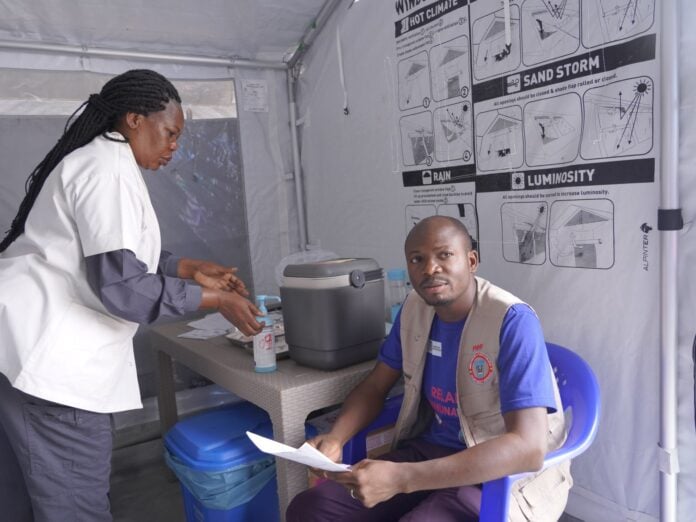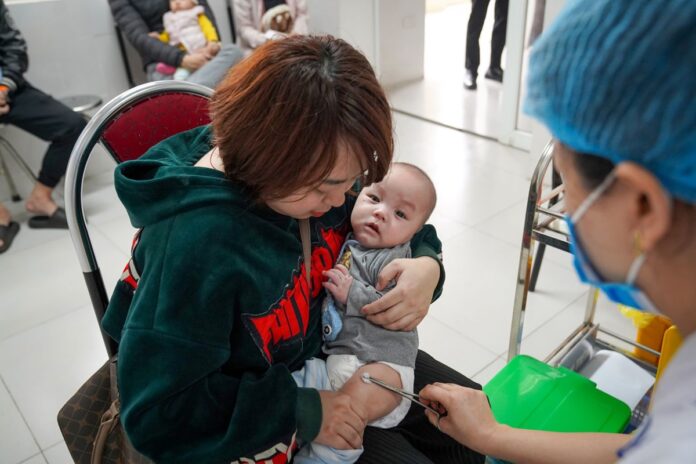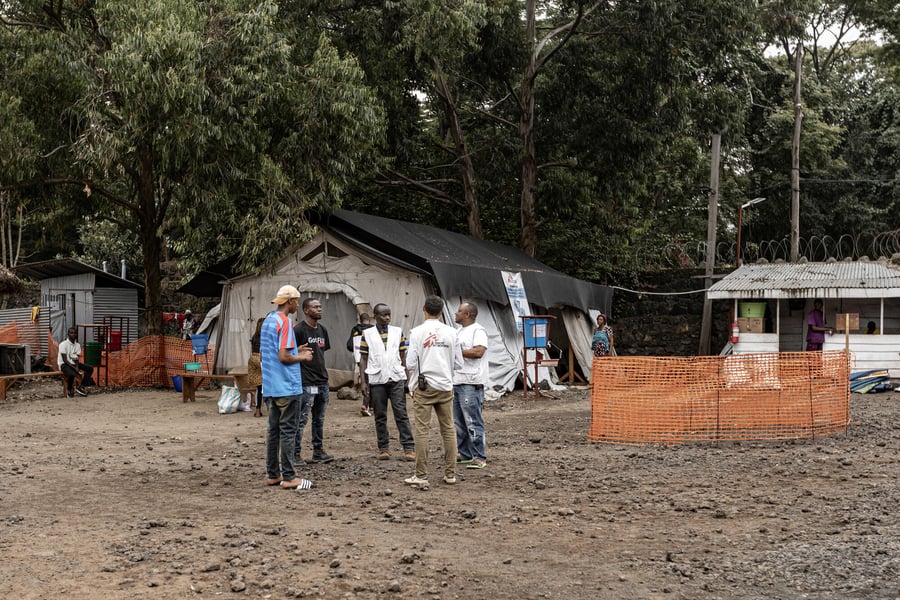

The lab results came back on a Friday, and by sundown the rumors that had passed along the dirt roads of Ituri Province for nearly a month had a name. The fever burning through villages in northeastern Congo, the one that had killed nurses in Mongbwalu and emptied homes in Bunia, was Ebola. Specifically, it was caused by Bundibugyo, the rarest of the orthoebolaviruses and one for which no vaccine has ever been licensed.
By the close of Saturday, the toll had jumped again. Uganda confirmed three new infections in Kampala, bringing its case count to five and turning a border crisis into a regional emergency. In the Democratic Republic of the Congo, where the outbreak began, the Ministry of Public Health, Hygiene and Social Welfare reported nearly 750 suspected cases and at least 177 deaths spread across Ituri, North Kivu and South Kivu provinces. Cases have also surfaced in Kinshasa, the capital, and were imported from Tshopo province into South Kivu, a geographic spread that has alarmed epidemiologists who only five months ago watched the country close out its sixteenth outbreak.
This is the seventeenth, and it is unlike most of the ones before it.
The World Health Organization on May 17 declared the epidemic a Public Health Emergency of International Concern, the agency’s highest alert level, citing late detection, the lack of medical countermeasures, widespread armed violence in the affected zones and the population’s high mobility across porous borders. A day later, the Africa Centres for Disease Control and Prevention declared a Public Health Emergency of Continental Security, a tier reserved for crises judged capable of destabilizing more than one country.
“This species of Ebola is one for which there is no licensed vaccine or treatment,” Anne Ancia, the W.H.O. representative in the Democratic Republic of the Congo, said in a press briefing this week from Bunia. The most common Ebola strain, Zaire, has both a shot and approved monoclonal antibodies that helped Congo bring its 2018 to 2020 epidemic under control. Bundibugyo has produced only two outbreaks in recorded history, one in Uganda in 2007 and one in Congo in 2012. Case fatality rates in those events ranged from 30 to 50 percent.
A virus that hid in plain sight
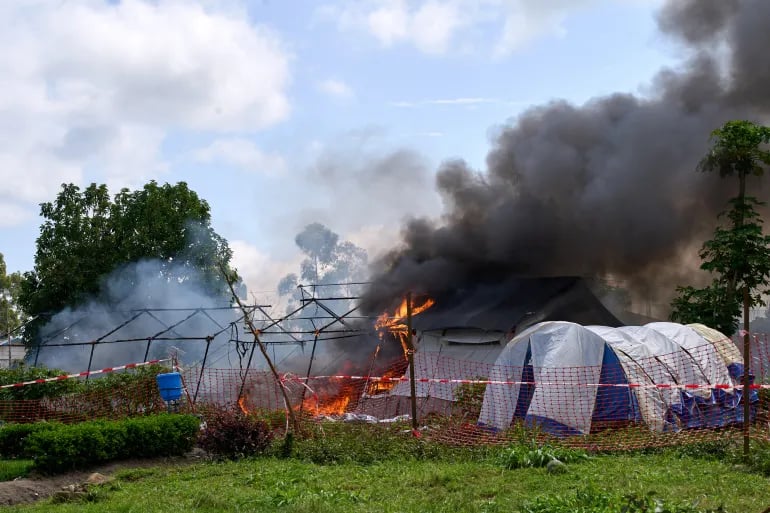
Local laboratories tested for the more familiar Zaire strain. The results came back negative. It was not until samples were flown to the Institut National de Recherche Biomédicale in Kinshasa that scientists, examining 13 blood samples from Rwampara, identified Bundibugyo virus in eight of them. By the time the announcement was made on May 15, hundreds of suspected cases had already accumulated, a pattern that public health veterans interpret as a sign the virus had been circulating quietly for weeks before anyone realized what they were looking at.
“We have significant uncertainty about the number of infections and how far the virus has spread,” Dr. Ancia said. The presence of confirmed cases in Goma and the major Congolese cities of Butembo and Bunia, alongside imported cases in the Ugandan capital of Kampala, has compounded that uncertainty. Anywhere the virus has reached a city, contact tracing has become exponentially harder.
The W.H.O. has revised its risk assessment to “very high at the national level, high at the regional level, and low at global level.” On Saturday, Jean Kaseya, the director general of Africa CDC, named ten additional countries he considers at risk: Angola, Burundi, the Central African Republic, the Republic of Congo, Ethiopia, Kenya, Rwanda, South Sudan, Tanzania and Zambia.
An outbreak unfolding in a war zone
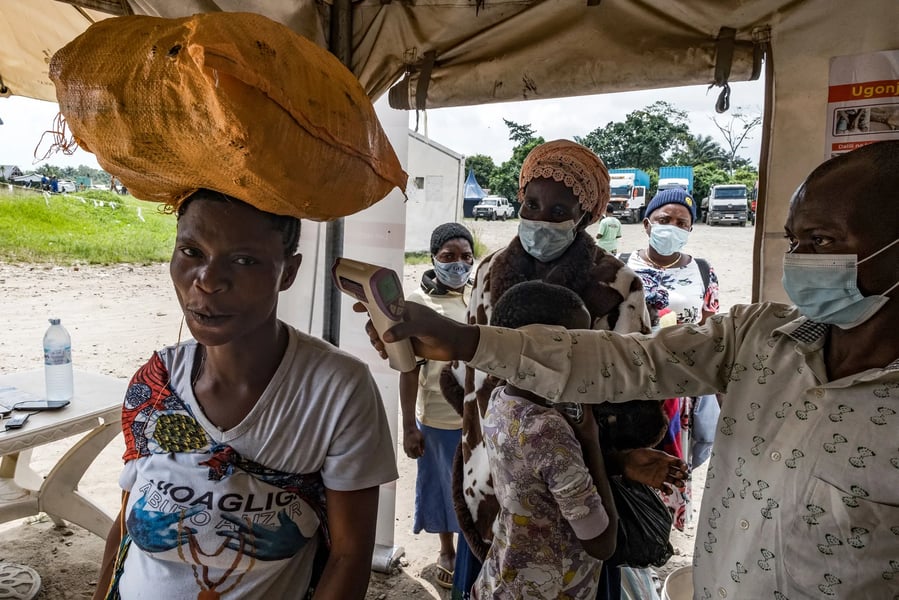
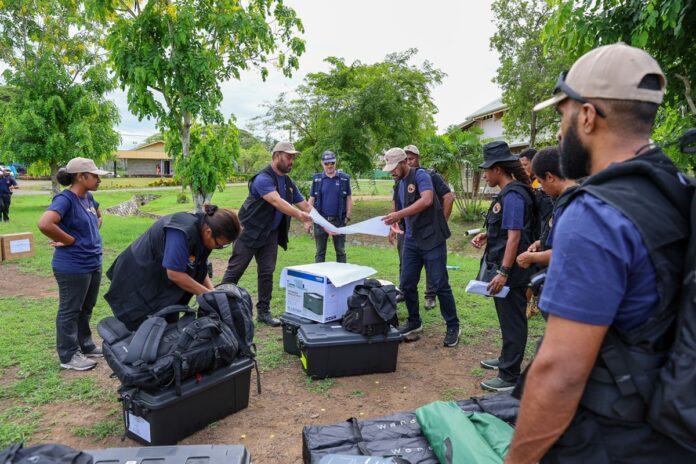
In that environment, the slow methodical work of public health, locating contacts, isolating the sick, safely burying the dead, runs into the same problems that aid agencies confront when trying to deliver food or vaccines. On Thursday, according to the Congolese health ministry, contact tracers were able to follow up with only about 21 percent of the people on their monitoring lists. The rest are presumed to be moving, fleeing or unreachable. Compounding the deteriorating conditions on the ground, the W.H.O. has documented that response teams are working in zones where humanitarian workers themselves are routinely targeted.
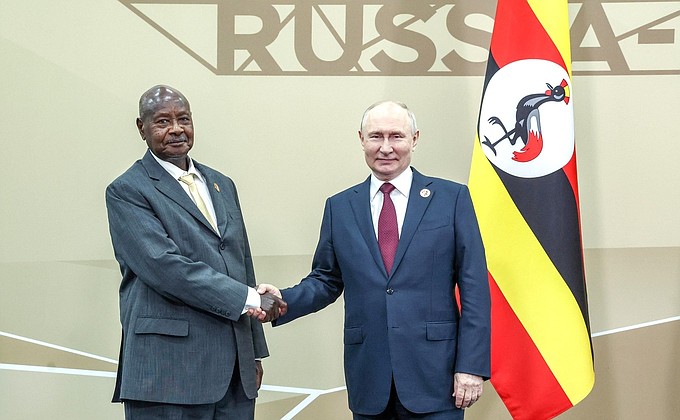
The Ugandan cases illustrate how quickly the virus crosses lines on a map. The first patient in Kampala, a Congolese national, died on May 14 after being treated for what hospital staff initially believed to be another illness. The second confirmed case, also imported from Congo, surfaced within 24 hours. By Saturday, three more cases had been added: a driver who had transported the first patient, a health worker who had cared for him, and a Congolese woman who had been discharged in good condition from a Kampala hospital and only tested positive after she returned home, the result of a tip from a pilot involved in her transport.
Uganda has suspended all public transport to Congo. Officials in Kampala have urged the public to remain vigilant and to report suspected symptoms. Charles Olaro, the country’s director general of health services, said all identified contacts are being closely monitored.
A vaccine race in Oxford and Pune
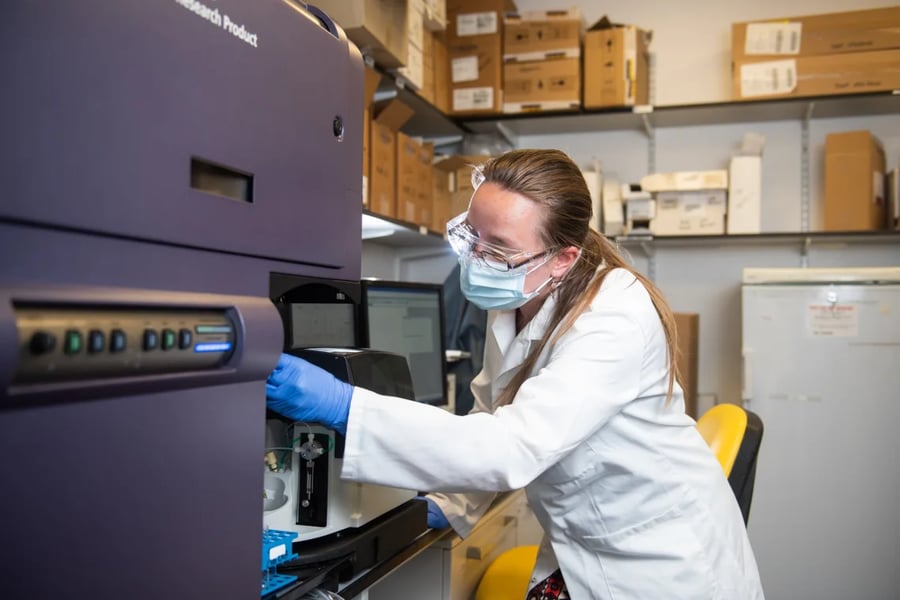
The shot uses the same chimpanzee adenovirus delivery system that underpinned the Oxford and AstraZeneca COVID-19 vaccine, a vaccine platform tested before in a global emergency that was credited with saving more than 6 million lives in its first year of deployment. Professor Teresa Lambe, the Calleva head of vaccine immunology at Oxford, said her team was working with global partners to accelerate the preclinical data needed for clinical trials in outbreak conditions. “My hope is that this outbreak can be brought under control quickly and that vaccines are ultimately not needed,” she said. “Nevertheless, our team and partners will continue working to ensure that potential vaccine options are available if they are needed.”
Oxford’s candidate is one of several under review. Africa CDC has flagged the Ervebo vaccine, approved for Zaire Ebola, as a possibility for off-label ring vaccination, along with earlier-stage candidates under review from Moderna and the International AIDS Vaccine Initiative. None has been proven against Bundibugyo. Shanelle Hall, principal adviser to the Africa CDC director general, said in a briefing that two experimental treatments, the monoclonal antibody MBP134 and a remdesivir-based regimen, were being considered for randomized controlled trial protocols. Approvals had not yet come through.
Dr. Ancia, in Bunia, was blunt about the math. Even if a candidate vaccine clears regulatory hurdles within two months, that is, she said, no protection against what is happening now. “It is not two months before the outbreak will be done,” she warned. “Remember the previous one, it took two years.”
A region absorbing one shock after another
The cuts to American foreign aid since the start of the year have stripped tens of millions of dollars from programs in Congo, Uganda and across sub-Saharan Africa. Washington has now pledged 23 million dollars to bolster the response and said it would fund up to 50 Ebola treatment clinics in the affected regions, though Ugandan authorities have said they have not yet seen evidence of those clinics on the ground.
The Department of Homeland Security and the U.S. Centers for Disease Control and Prevention have, in the meantime, announced enhanced travel screening, entry restrictions and public health measures aimed at preventing the virus from entering the United States. The C.D.C. issued a Level 3 Travel Health Notice for Congo and a Level 1 for Uganda. As of May 23, no Ebola cases connected to the outbreak had been confirmed in the United States. One American citizen exposed in a Congolese healthcare setting was medically evacuated to a special isolation ward in Germany along with six high-risk contacts.
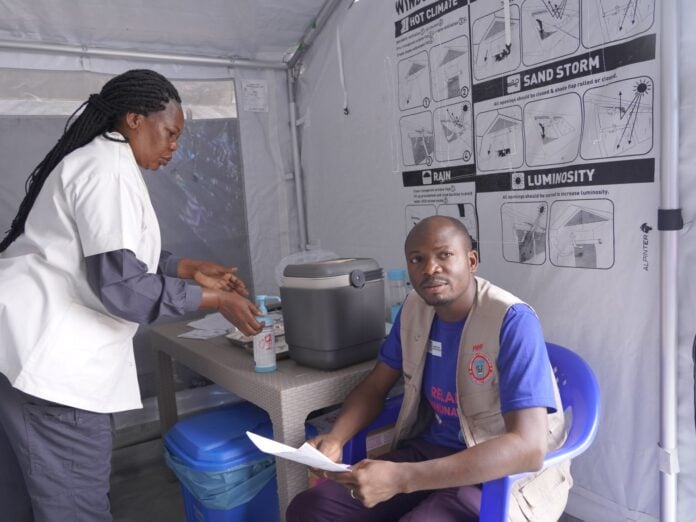
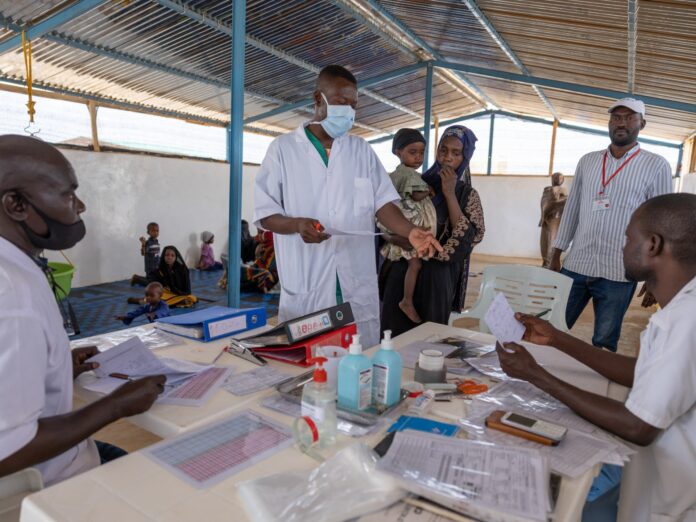
For the families inside the hot zone, the official numbers obscure the more intimate arithmetic of a virus that does most of its killing through bodily fluids and close contact. Two thirds of the confirmed cases in Congo are women. Most are between 20 and 39 years old. Many were caregivers, nurses or relatives who tended to the early patients in the cluster, before anyone knew that what they were facing was Ebola. Médecins Sans Frontières, which set up an isolation zone at Kyeshero Hospital in Goma, has described a humanitarian collapse compounded by everything else: cholera, displacement, the fragility of generators in hospitals that are barely standing.
John Johnson, the medical lead for epidemic response at Médecins Sans Frontières, said the strain is what makes this outbreak harder to fight than its predecessors. The tools that worked in 2018 and 2019 do not apply. The vaccines do not match. The antibodies are not approved. There is no licensed vaccine or specific therapeutics against Bundibugyo, and the supportive care that saves lives, intravenous fluids, electrolytes, oxygen, requires functioning hospitals, and in much of eastern Congo, those are in short supply.
The W.H.O.’s emergency committee met on May 22 and reaffirmed the international concern designation. Its temporary recommendations urged the affected states to scale up surveillance, expand laboratory capacity, conduct community engagement and prepare for vaccine trials should candidates become available. The committee declined to designate the outbreak a pandemic emergency, the highest tier under the International Health Regulations.
It is a designation that, at least for now, hinges on whether the contact tracers, the laboratories, the border screeners and the vaccine developers can move faster than a rare species of the Ebola virus that has already crossed three Congolese provinces and one international border, and that the people who study these things believe has been circulating, undetected, for longer than anyone yet knows.