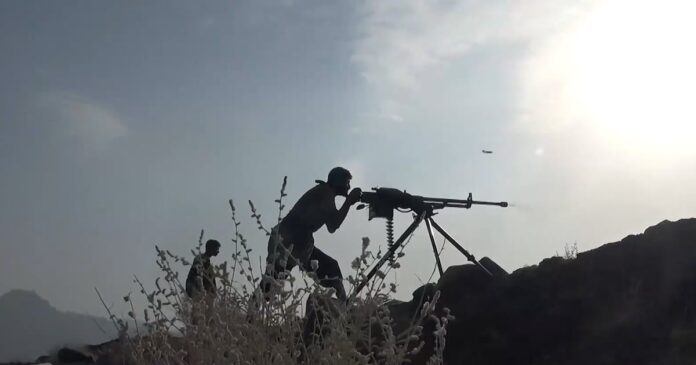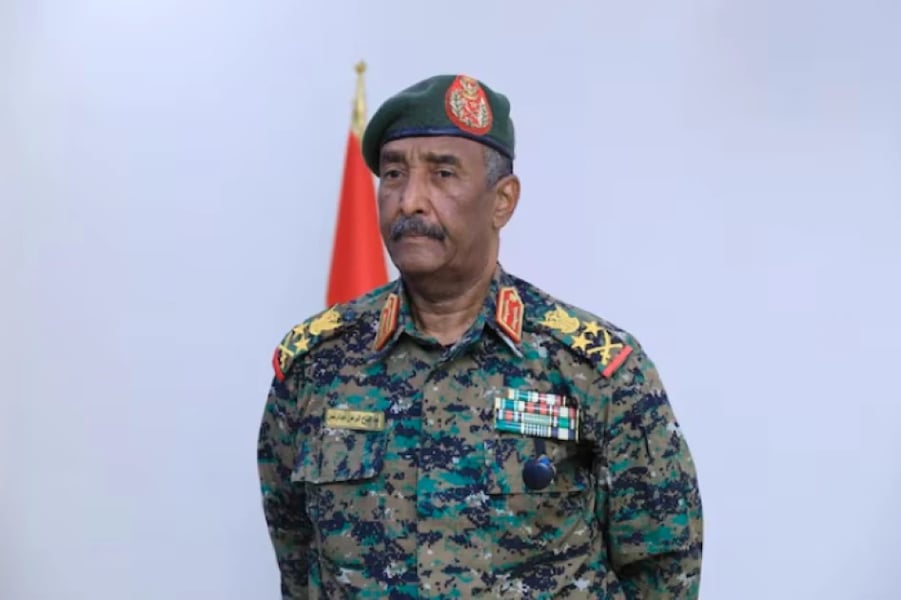

In the third year of the Sudan Civil War has entered a phase of brutality, a sweeping military overhaul ordered by General Abdel Fattah al-Burhan is reshaping the country’s battlefield—and possibly its political future.
On Thursday, Sudan’s armed forces appointed General Yasser al-Atta as chief of staff, a move officials described as the most extensive restructuring of the military command since fighting erupted in April 2023.
The decision, while framed as administrative, signals something far more consequential: a recalibration of strategy in a war that has already fractured the state, displaced millions, and drawn in regional actors.
A War Reorganized From the Top
The appointment of al-Atta, a longtime ally of Burhan and a senior member of Sudan’s Transitional Sovereignty Council, comes amid what officials and analysts describe as a full-scale reorganization of the armed forces.
The restructuring extends beyond a single promotion. It includes new leadership across operations, intelligence, logistics, and training, effectively redrawing the architecture of Sudan’s military command in what has been called the biggest wartime military shakeup since the conflict began.
Such moves are rarely neutral in the context of an active war. They reflect both battlefield realities and political calculations.
The Burhan–Atta Axis
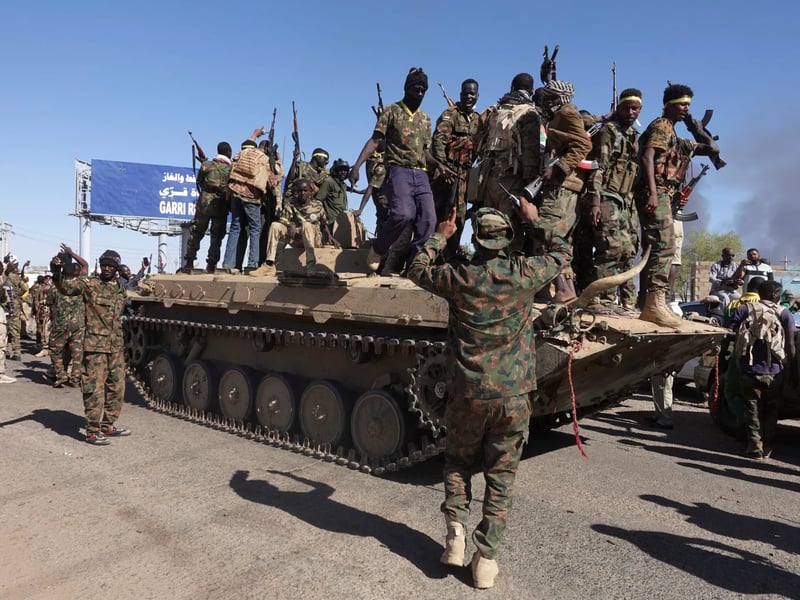
Since the overthrow of longtime ruler Omar al-Bashir in 2019, Sudan has been governed through a fragile arrangement between military and civilian actors. That balance collapsed in 2023 when fighting broke out between the Sudanese Armed Forces and the paramilitary Rapid Support Forces.
The conflict quickly escalated into a full-scale civil war, dividing the country into zones of control and triggering what many describe as the largest humanitarian crisis in the world.
Within this fractured landscape, Burhan has steadily consolidated authority over the army. The elevation of al-Atta appears to deepen that consolidation.
Strategy or Survival
The timing of the shakeup is critical.
Fighting has expanded into new regions, while drone strikes targeting civilian areas have intensified across multiple fronts.
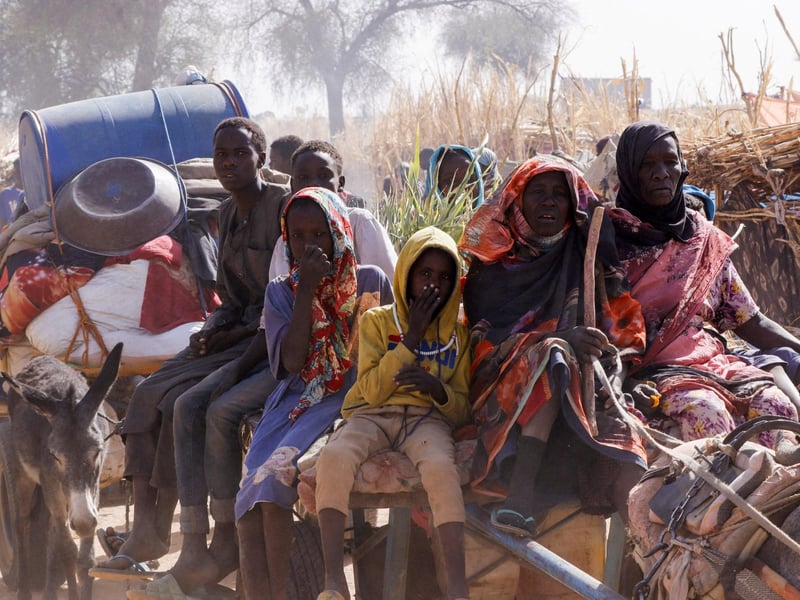
Independent reporting indicates that drone strikes have become more frequent, with hospitals, markets, and displacement camps repeatedly hit in recent weeks.
At the same time, the war has evolved into a regional crisis.
The Islamist Question
One of the most closely watched aspects of al-Atta’s appointment is his perceived alignment with Islamist factions tied to the former Bashir regime.
His rise comes amid concerns about foreign involvement shaping the conflict and the re-emergence of ideological networks within Sudan’s military structure.
Analysts say these dynamics could reshape alliances across the Red Sea and complicate diplomatic engagement.
A Fragmented Battlefield
The Sudan Civil War has defied easy categorization.
What began as a binary conflict has evolved into a complex network involving militias, tribal forces, and foreign-backed actors.
In some regions, local dynamics now drive the fighting more than national command structures.
In others, genocide warnings in Darfur have drawn international alarm.
Human Cost and Strategic Drift
While military leaders reorganize, the humanitarian situation continues to deteriorate.
The war has killed tens of thousands and displaced millions, creating a crisis that continues to deepen with each passing month.
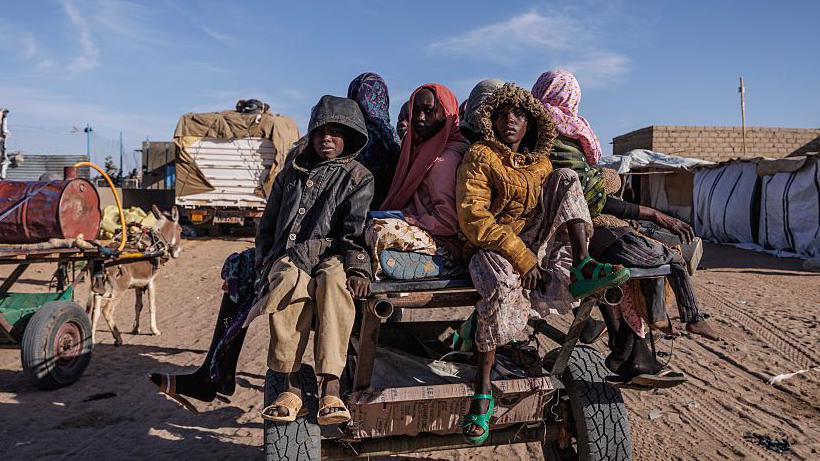
Despite the devastation, diplomatic efforts have repeatedly stalled, leaving the conflict to grind on without a clear resolution.
A War Without End?
For Burhan, the restructuring may represent an attempt to regain initiative in a war that has proven resistant to quick resolution.
For al-Atta, it is both an opportunity and a test: to unify a fractured military and impose order on a battlefield defined by fragmentation.
For Sudan, it raises a more fundamental question.
Is this the beginning of a decisive new phase in the Sudan Civil War?
Or simply another turn in a conflict that continues to expand, destabilize the region, and defy resolution?