
KHARTOUM — Nearly three years into the Sudan Civil War, the conflict has evolved from a brutal internal power struggle into a sprawling regional crisis, reshaping trade routes, destabilizing neighboring states, and exposing the uneasy silence of much of the international community.
What began in April 2023 as a contest between Sudan’s army and the paramilitary Rapid Support Forces has hardened into a war sustained not only by weapons and territory, but by resources, particularly gold, that bind Sudan’s battlefield to global markets.
Today, Sudan is not only a nation at war with itself. It is a fractured state at the center of a widening geopolitical web, where economic interests, regional rivalries, and shifting alliances are redefining the conflict’s trajectory.
A War Fueled by Gold
Gold has become the financial backbone of Sudan’s war economy. Both the Sudanese Armed Forces and the Rapid Support Forces rely heavily on extraction networks and smuggling routes to sustain operations, reinforcing what analysts describe as a gold economy sustaining the war.
In a country where formal institutions have largely collapsed, gold has replaced traditional state revenue streams. Control over mines and export channels has become as strategically vital as territorial dominance.
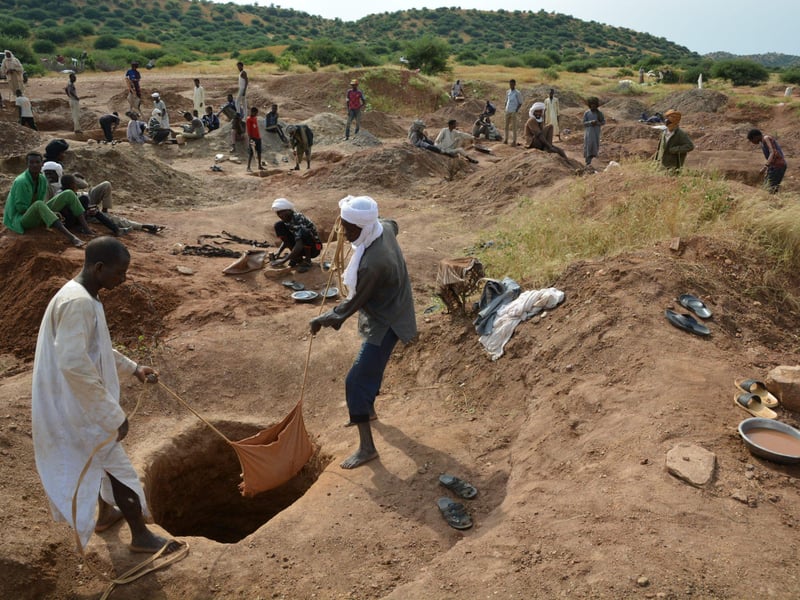
The impact has been severe. According to gold exports disrupted by diplomatic tensions, the Sudanese pound has lost significant value as export routes falter, worsening inflation and limiting access to essential goods.
For civilians, these disruptions translate into rising food prices, fuel shortages, and a deepening economic collapse.
Economic Collapse and a War Economy
Sudan’s formal economy has contracted sharply since the outbreak of war, replaced by fragmented networks of informal trade and localized control. This transformation has entrenched a system where survival depends on access to resources rather than governance.
As the state weakens, economic activity increasingly mirrors conflict dynamics, reinforcing cycles of instability.
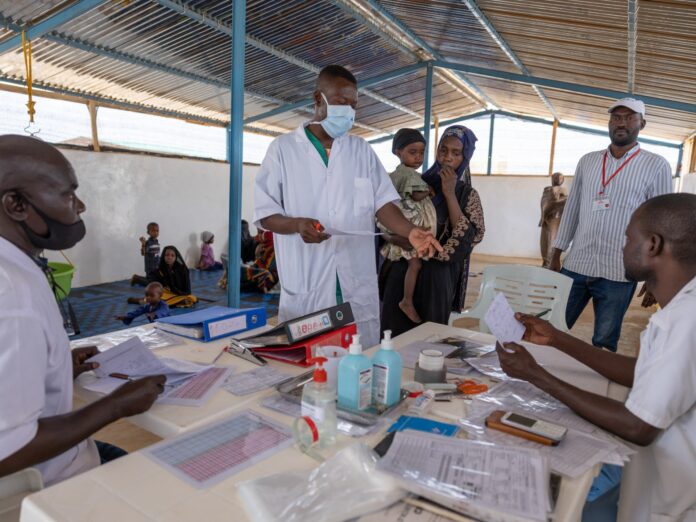
The collapse is also visible in basic services. A growing health system collapse has left hospitals without medicine, exposing millions to preventable disease and untreated injuries.
Regional Spillover and Rising Tensions
The consequences of the Sudan Civil War are no longer confined within national borders. Violence has expanded outward, with Sudan war becoming a direct security threat to Chad, raising alarms across the Sahel region.
Cross-border attacks, refugee movements, and military activity have intensified instability. Reports of drone strikes on markets highlight the evolving nature of warfare and its devastating civilian toll.
At the same time, the surge in refugee flows into Chad is placing enormous pressure on neighboring states, which are struggling to cope with humanitarian demands.
Evidence of cross-border involvement further underscores how the war is drawing in regional actors, complicating efforts toward containment.
Foreign Interests and Competing Alliances
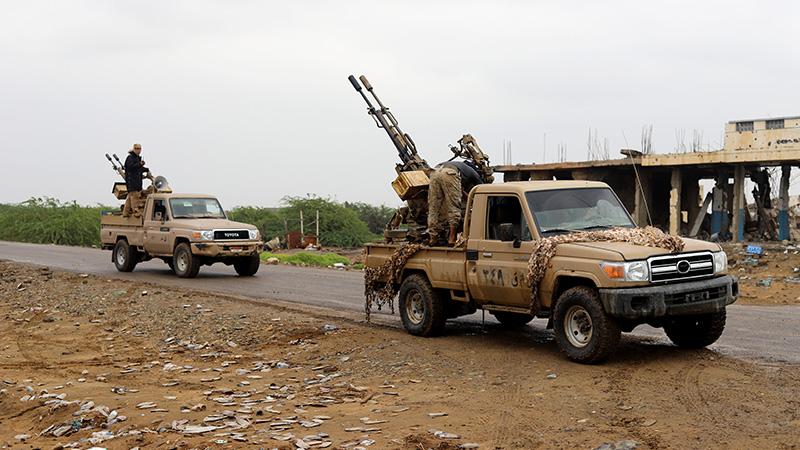
Foreign involvement has become one of the defining features of the conflict. Competing alliances and strategic interests have prolonged the war, with mounting allegations of external military support shaping the battlefield.
These developments align with broader concerns about conflict gold networks tied to regional actors, where economic incentives intersect with political influence.
Internally, the war continues to be fueled by foreign involvement in the conflict, further entrenching divisions and prolonging instability.
A Humanitarian Catastrophe
The human cost of the Sudan Civil War is staggering. Millions have been displaced, and entire communities have been destroyed.
Warnings of atrocities, including genocide warnings in Darfur, have intensified concerns about the scale of violence.
At the same time, civilian deaths surge as fighting continues across multiple regions.
The Silence of the World
Despite the масштаб of suffering, Sudan’s war has struggled to command sustained global attention.
Experts increasingly point to structural reasons behind this neglect, explored in analyses of why some wars fail to dominate headlines.
This lack of visibility has contributed to limited global attention, affecting humanitarian funding and diplomatic urgency.
The result is a crisis that continues to escalate with limited international intervention.
A Conflict Without End?
As the war enters another year, prospects for resolution remain uncertain. Both sides continue to rely on resource control, external backing, and fragmented governance structures.
Economic disruptions, regional instability, and humanitarian collapse have become defining features of the conflict.
Unless meaningful diplomatic efforts emerge, the Sudan Civil War risks becoming not only a prolonged national tragedy but a catalyst for wider regional instability.
For now, it remains a war driven by resources, shaped by geopolitics, and unfolding largely beyond the sustained attention of the world.