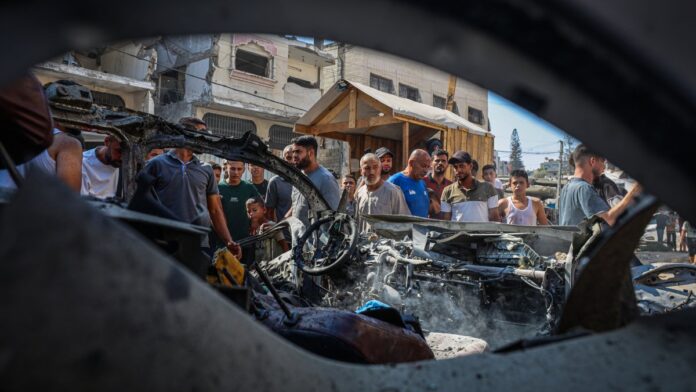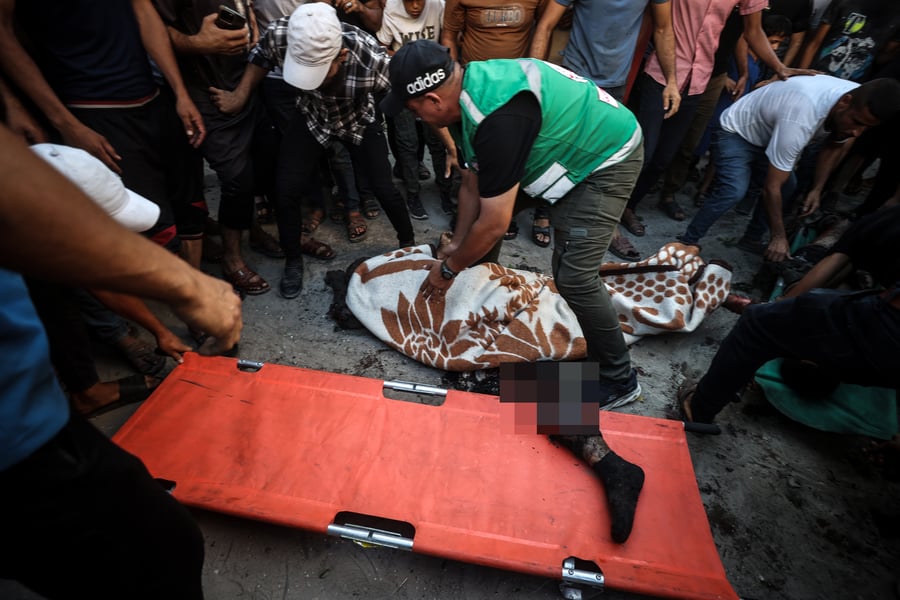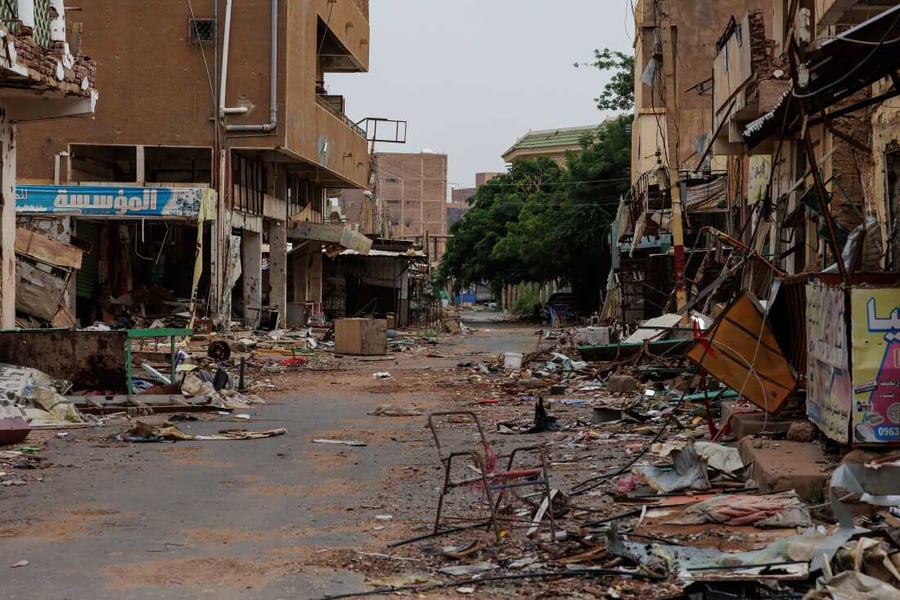

Sudan’s civil war, now entering its third year, has hardened into a grinding conflict that is reshaping the country and unsettling much of northeast Africa. What began in April 2023 as a power struggle between rival generals has metastasized into a campaign of siege warfare, urban bombardment and mass displacement that has left millions of civilians trapped between advancing forces.
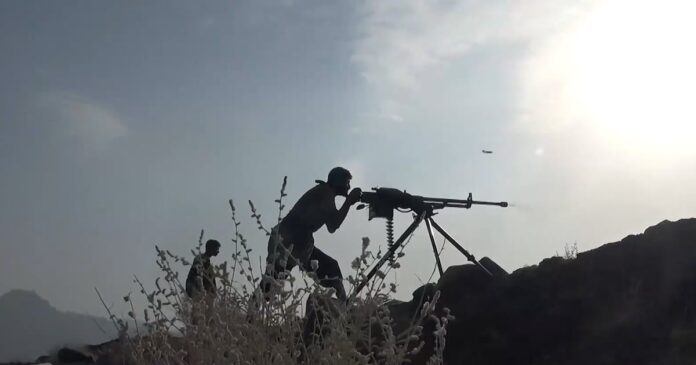
The battle between the Sudanese Armed Forces and the paramilitary Rapid Support Forces has splintered the state, hollowed out institutions and deepened ethnic fault lines, particularly in Darfur. Front lines have shifted block by block in Khartoum and across western Sudan, leaving entire neighborhoods flattened by artillery and drone fire, a pattern reflected in earlier reporting on the RSF siege and urban fighting in Sudan.
A civilian catastrophe
The toll of the Sudan civil war on civilians has accelerated sharply. Killings of noncombatants more than doubled in 2025 compared with the previous year, Reuters reported, citing United Nations officials who warned that patterns of violence in parts of Darfur bear the “hallmarks of genocide.”
In North Darfur, entire communities have emptied out amid escalating RSF assaults. Thousands have been displaced after paramilitary fighters swept through towns in recent weeks, with residents describing hurried escapes under gunfire and artillery shelling.
Humanitarian corridors, once fragile but functional, have also come under attack. Aid convoys have been struck, relief workers killed, and food supplies disrupted, further constricting access in areas already facing acute shortages and collapsing medical services.
Even grassroots relief networks have come under pressure. Volunteer-run kitchens feeding displaced families have been attacked in several cities, depriving thousands of one of their last dependable sources of daily meals.
Darfur at the center
The violence has been particularly acute in El Fasher, the last major Darfur city not fully under paramilitary control. Fighting around the city has intensified in recent months, trapping civilians inside shrinking urban corridors while supply routes collapse and hospitals struggle to function.
Displacement camps surrounding El Fasher have swelled as families flee artillery shelling and paramilitary raids. The worsening conditions mirror developments detailed in reporting on the El Fasher refugee crisis in Darfur, where overcrowded camps face food shortages, medical collapse and growing insecurity.
Education systems across western Sudan have nearly collapsed. Schools have been converted into shelters or damaged in bombardment, leaving millions of children without access to classrooms for nearly two years, part of the broader disruption previously documented in analysis of education collapse during the Sudan civil war.
International alarm
Diplomatic pressure has intensified, but tangible progress remains elusive. Several United Nations member states warned that the pattern of attacks in Darfur, including assaults on densely populated neighborhoods and repeated strikes on civilian infrastructure, suggests systematic targeting of noncombatants.
Yet beyond statements of concern, enforcement mechanisms have remained limited. The United Nations Security Council has struggled to reach consensus on stronger measures, reflecting geopolitical divisions that have repeatedly stalled decisive action. Sanctions regimes remain fragmented, and proposals for arms embargo expansions have encountered resistance among major powers.
The United Nations High Commissioner for Human Rights has urged immediate and unfettered humanitarian access to conflict zones, warning that the obstruction of aid deliveries could deepen famine risks in Darfur and Kordofan. He has also cautioned against continued weapons flows into Sudan, arguing that sustained arms transfers risk entrenching violence and prolonging civilian suffering.
Human rights groups have documented patterns of extrajudicial killings, sexual violence and forced displacement. Despite mounting evidence, pathways toward accountability, including referrals to international judicial mechanisms, remain politically contested.
As diplomatic statements multiply, the gap between rhetoric and enforcement has grown more visible. For civilians trapped in besieged cities, expressions of alarm have yet to translate into meaningful protection.
Regional consequences
The instability has begun to reverberate beyond Sudan’s borders. Chad temporarily closed its frontier amid cross-border tensions and security concerns, according to the Associated Press, reflecting fears that the conflict could spill deeper into the Sahel.
Sudan’s war now intersects with fragile political transitions and economic pressures across North and East Africa. Analysts warn that prolonged instability in Khartoum could redraw regional alignments and accelerate migration flows toward the Mediterranean corridor.
An entrenched stalemate
Efforts to broker ceasefires have repeatedly faltered. Sudanese officials have insisted that any political framework must safeguard sovereignty and preserve national institutions, while paramilitary leaders have signaled conditional openness to negotiations even as fighting continues.
For civilians sheltering in basements, displacement camps or overcrowded border crossings, those diplomatic maneuvers offer little immediate relief. What remains is a grinding war of attrition, one that has already redrawn Sudan’s political landscape and left an uncertain future in its wake.
The Sudan civil war is no longer a short-lived power struggle between rival commanders. It has become a defining crisis for the region, and a test of whether sustained international engagement can prevent further descent into mass atrocity and state fragmentation.