
Sudan’s military announced it had lifted the siege of the southern city of Dilling, many of its residents had already endured weeks of starvation, untreated illness, and relentless shelling, an ordeal that underscored how Africa’s deadliest wars continue largely beyond Western concern unless strategic interests are involved.
The army said the army declared the siege of Dilling broken after pushing back fighters from the Rapid Support Forces, the powerful paramilitary group locked in a grinding conflict with the state since 2023. Military statements spoke of reopened supply routes and reclaimed positions. Survivors, however, described a city hollowed out by hunger, fear, and abandonment.
For civilians, the announcement brought little immediate relief. Residents said markets had been shuttered for weeks, medical supplies exhausted, and families forced to survive on leaves and animal feed. Children and the elderly were among the most vulnerable as preventable diseases spread unchecked.
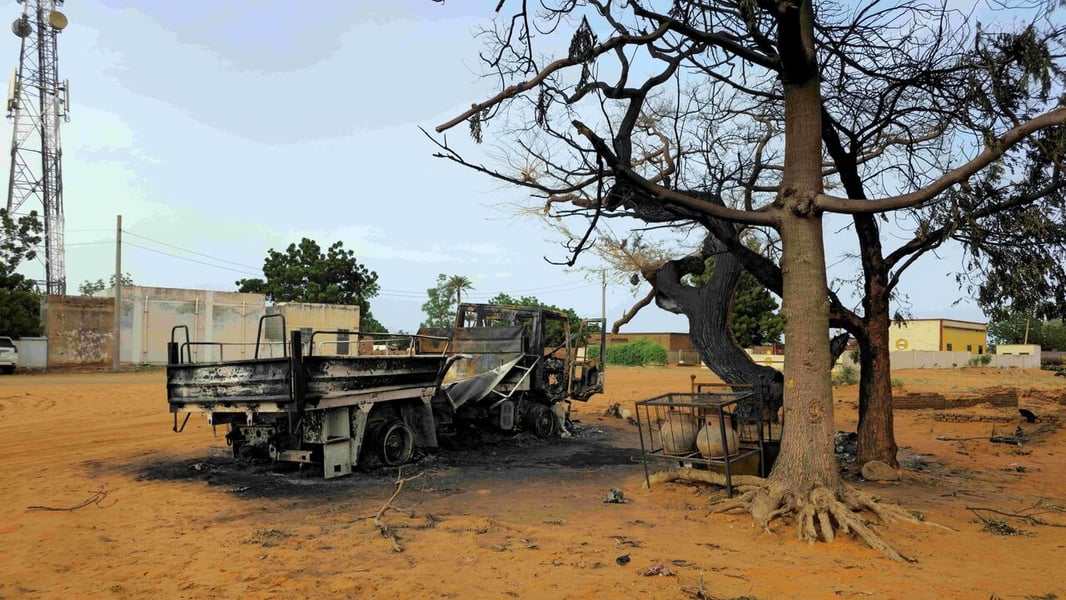
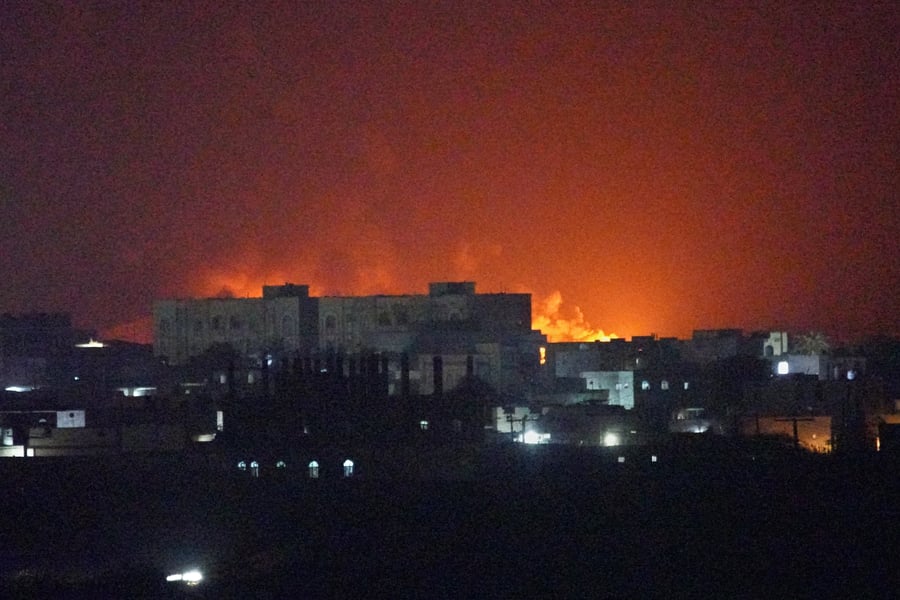
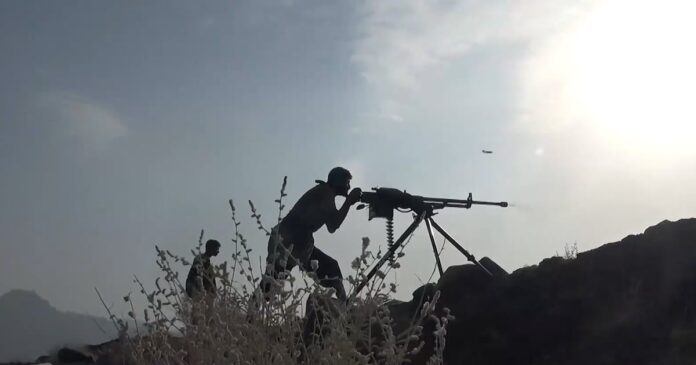
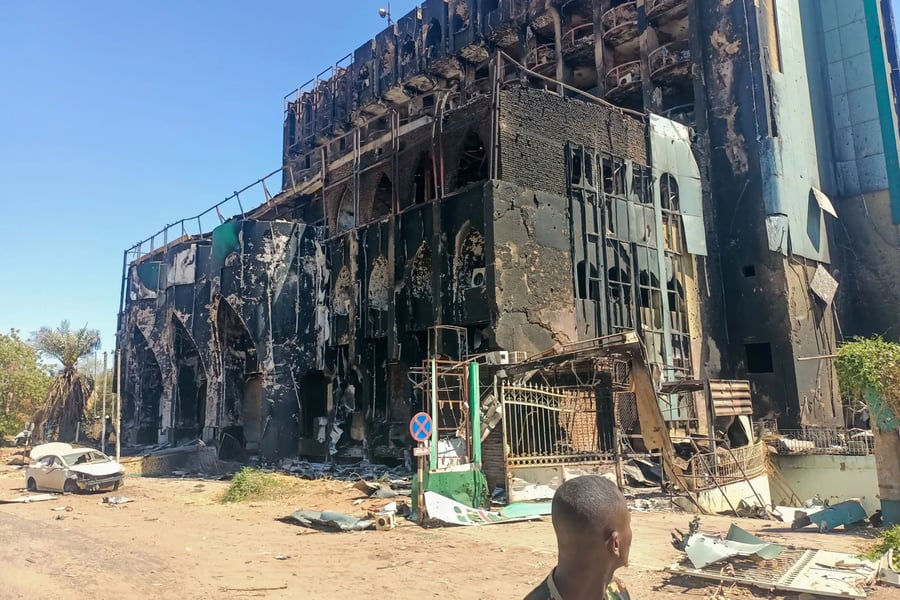
The fighting in South Kordofan is part of a wider civil war that has fractured Sudan, pitting the army against the RSF in urban centers and rural strongholds alike. In Dilling, the RSF’s encirclement choked off commerce and humanitarian access, while counteroffensives turned residential neighborhoods into battlefields.
Doctors and aid workers say starvation has become an unspoken weapon of war. Similar tactics have been reported across Sudan, where blockades and road closures have driven communities into submission or flight. According to humanitarian groups, civilian casualty figures spike whenever sieges tighten or fighting shifts into populated areas.
Despite repeated warnings from relief agencies, large-scale humanitarian corridors have failed to materialize. Western governments have issued statements of concern, but critics say these have rarely translated into sustained pressure on the warring parties.
This pattern reflects what many African diplomats describe as Western silence and selective outrage, swift mobilization when conflicts touch European or strategic interests, and hesitation when crises unfold elsewhere.
Across the border, the disconnect between official narratives and lived reality is just as stark. In South Sudan, authorities insisted there was “no war”, even as United Nations agencies reported that nearly 180,000 people had been forced from their homes by violence and insecurity.
Many of those displaced cited intercommunal violence and insecurity, compounded by flooding and food shortages. Camps have swelled with families fleeing clashes, including refugees escaping Sudan’s civil war.
Analysts warn that denial complicates humanitarian access and allows violence to metastasize unchecked. “When governments downplay conflict, it becomes harder to mobilize aid and protection,” said one regional expert.
Meanwhile, the international response to Sudan’s civil war remains fragmented. Mediation efforts have produced fragile truces that collapse within days, while weapons continue to flow through porous borders despite embargoes. According to humanitarian agencies, the war has already displaced millions, straining neighboring states and deepening regional instability.
Western media coverage has been sporadic, often limited to brief updates when casualty figures surge. Aid groups argue that this lack of sustained attention fuels donor fatigue and political inertia, prolonging suffering on the ground.
In Dilling, residents said survival depended largely on community solidarity. Neighbors shared scraps of food, volunteers improvised clinics, and elders negotiated temporary pauses in fighting to bury the dead. Such resilience, they said, unfolded largely unseen.
For many, the army’s declaration of victory felt abstract. What they sought was accountability for those who starved their city and guarantees that the fighting would not return.
With Sudan’s civil war already destabilizing the region, analysts warn that continued neglect risks turning localized battles into a protracted regional crisis. History, they note, offers grim precedents of wars ignored until they spiral beyond containment.
Ending the suffering in Dilling and beyond will require more than battlefield claims or diplomatic statements. It will demand sustained international pressure, genuine humanitarian access, and a global response that treats African crises with the urgency they deserve.