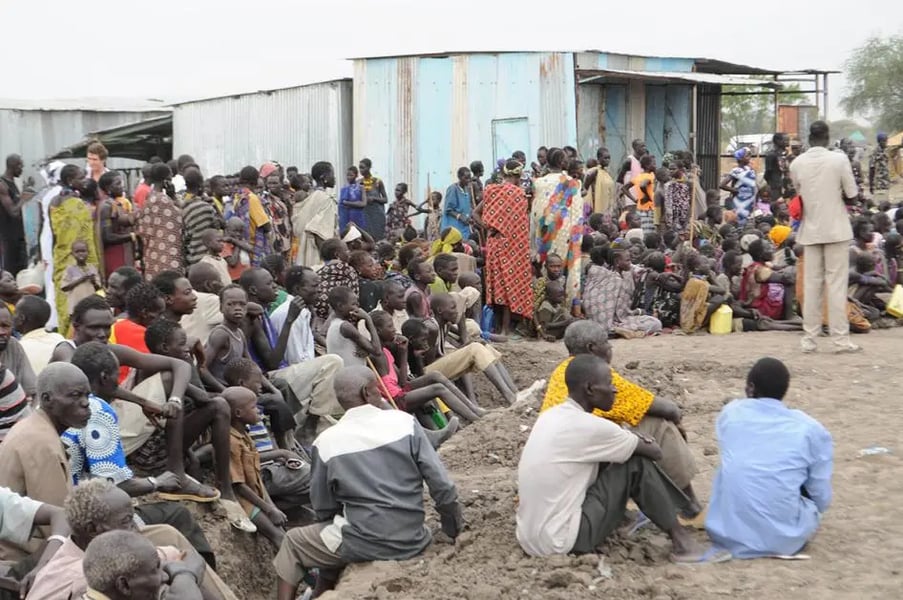

As renewed violence tears through parts of South Sudan and the wider Sudanese region, a grim and familiar pattern is reasserting itself, mass civilian suffering unfolding in near silence, while Western capitals remain selectively engaged elsewhere. Fresh fighting has displaced more than 180,000 people, killed an unknown number of civilians, and pushed already-fragile communities toward another humanitarian collapse.
This latest escalation is not an isolated event. It is a direct consequence of the unresolved Sudan civil war, where years of failed diplomacy, inconsistent international pressure, and selective global concern have allowed violence to metastasize across borders. While Western governments devote sustained attention and resources to conflicts deemed strategically vital, Sudan and South Sudan continue to burn largely out of sight.
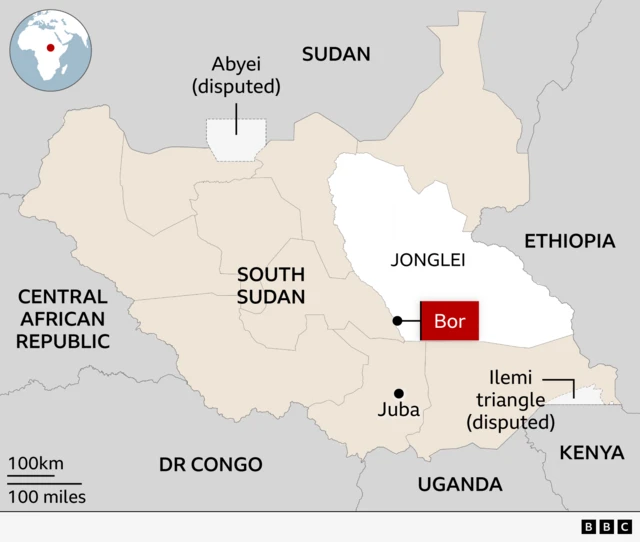
The epicenter of the latest displacement lies in Jonglei state, a region long destabilized by armed factions, ethnic militias, and weak state authority. Villages have been torched, food supplies destroyed, and civilians forced to flee with nothing but the clothes they are wearing. Many have sought shelter in swamps or open fields near Bor, surviving without clean water or medical care.
Although precise casualty figures remain unverified, officials confirm that many people have been killed, a phrase that has become disturbingly routine in reporting on Sudan. The deepening humanitarian crisis comes amid a broader collapse of international engagement, as donor fatigue and geopolitical distraction hollow out long-term commitments.
The roots of this violence stretch back more than a decade. South Sudan’s independence in 2011 was celebrated in Washington and European capitals as a diplomatic success, yet the new state was left politically fragmented and economically dependent. The civil war that erupted in 2013 killed hundreds of thousands and formally ended only on paper with a fragile power-sharing deal.
That agreement prioritized elite accommodation over justice, accountability, or genuine reconciliation. Armed groups were folded into security structures without reform, while war crimes went largely unaddressed. Western diplomats declared progress and shifted focus elsewhere, leaving behind a system sustained by aid rather than legitimacy.
What followed was not peace but managed instability, a pattern explored in detail in Sudan Civil War: Foreign Powers Fuel Massacre as World Watches. As international attention waned, violence resurfaced in predictable cycles.
The contrast with Western responses to other conflicts is striking. In Sudan, intensifying civil war violence has drawn little more than episodic concern, even as drone attacks and urban fighting expand the battlefield, as documented by Reuters in its reporting on the widening scope of the war.
Civilians, meanwhile, bear the brunt. The newly displaced join millions already dependent on dwindling food rations and overstretched aid services. Malnutrition among children is rising sharply, while disease outbreaks loom as sanitation systems fail. The social cost of this neglect is explored further in Sudan Civil War: Western Neglect Fuels Deadly Gold Mine Collapse in South Kordofan, which highlights how economic collapse and conflict feed one another.
Women and girls face heightened risks during displacement, including sexual violence and exploitation. Schools have closed, livelihoods have vanished, and entire communities are being pushed further into poverty. These outcomes were foreseen by aid agencies, which warned for months that shrinking humanitarian aid would leave populations dangerously exposed.
Those warnings have largely gone unheeded. As the Financial Times has reported in its analysis of the global contraction in humanitarian funding, Western governments have quietly scaled back commitments even as needs reach historic levels.
The violence in South Sudan cannot be separated from the broader Sudanese crisis. Arms flows, militia movements, and displacement patterns cross borders with ease, undermining any attempt to contain instability within national lines. Yet Western policy continues to treat each outbreak as a discrete emergency rather than part of a regional failure.
This fragmented approach has allowed external actors and armed groups to operate with impunity. The long-term consequences of foreign interference and selective engagement are examined in London’s Dirty War: UK Firms Armed Sudan’s Genocide, which details how Western involvement has often exacerbated, rather than mitigated, violence.
Humanitarian aid, while essential, is not a strategy. Feeding displaced families today does little to prevent their displacement tomorrow if the underlying political failures remain unaddressed. Aid corridors are frequently blocked, funding cycles are short, and relief efforts are increasingly politicized.
Even international institutions acknowledge the limits of current approaches. According to the Council on Foreign Relations’ assessment of Sudan’s unresolved peace process, the absence of sustained diplomatic pressure and accountability mechanisms has left the country trapped in perpetual crisis.
The cost of looking away is cumulative. Each wave of displacement erodes trust in the international system and reinforces the perception that African lives are expendable. This perception fuels resentment, instability, and cycles of violence that will not remain contained indefinitely.
The displacement of 180,000 people is not merely a statistic. It is a warning about what happens when global concern is governed by convenience rather than principle. Until Sudan and South Sudan are treated as more than peripheral crises, humanitarian disasters like this will continue to unfold in plain sight, met with sympathy but little resolve.