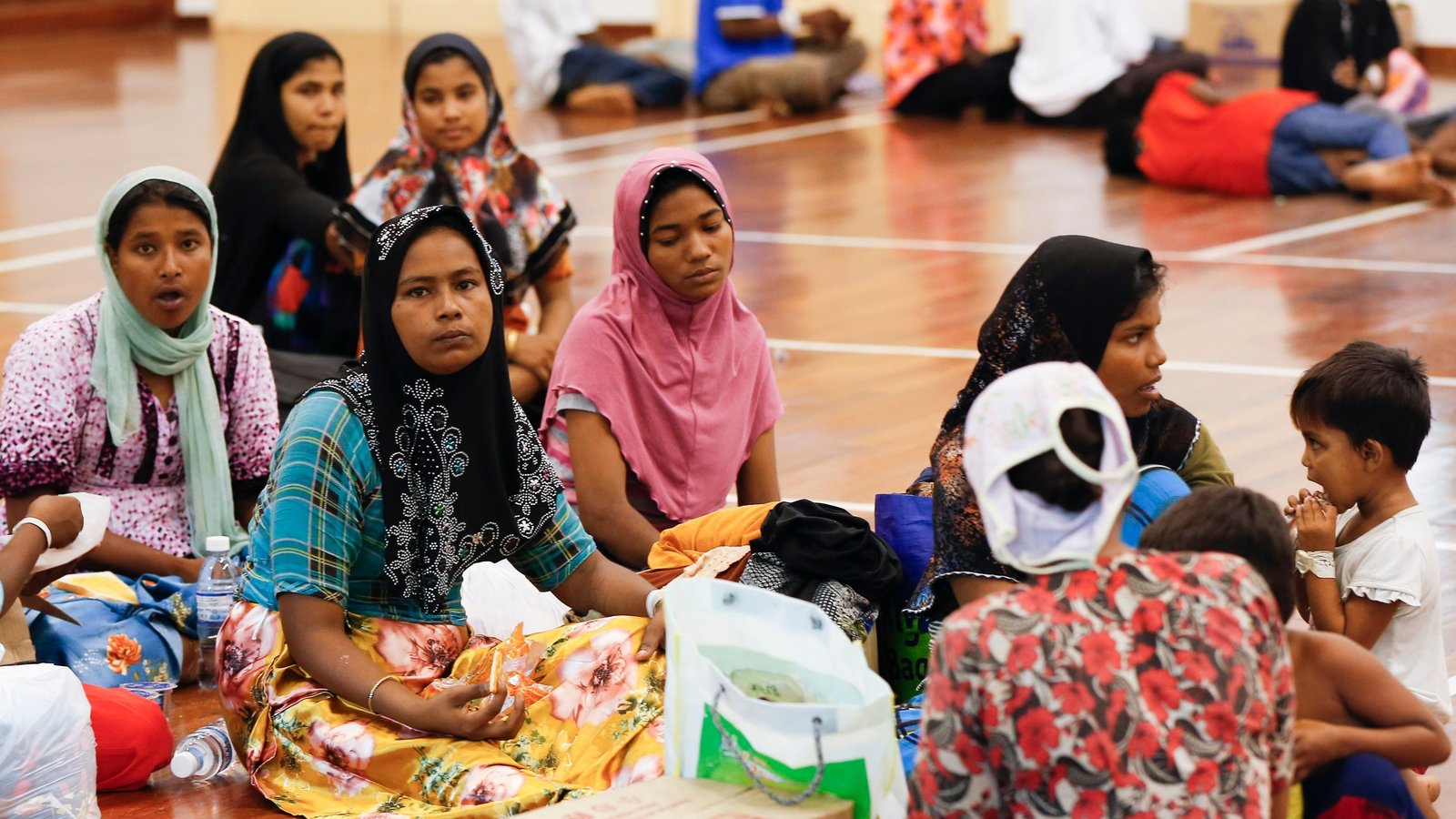

KUALA LUMPUR – Malaysia’s Home Ministry began identifying and screening thousands of detained Myanmar nationals on Wednesday, setting in motion what Kuala Lumpur is presenting as a long-overdue diplomatic arrangement with Naypyidaw, and what human rights organizations are calling a dangerous exercise in providing cover for mass deportation.
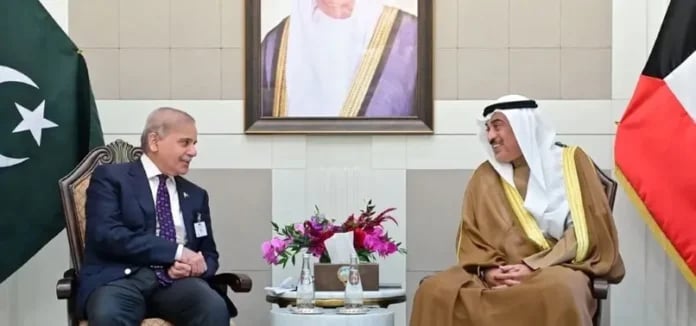
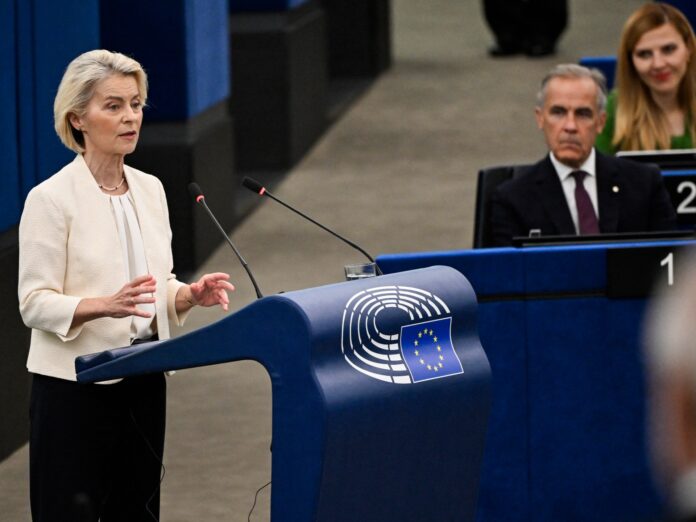
The screening comes a day after Prime Minister Anwar Ibrahim, speaking at a campaign rally ahead of regional elections in Negeri Sembilan, told supporters that Myanmar had agreed to accept 5,000 of its nationals currently held in Malaysian immigration detention. “People ask why we do not simply send them back,” Anwar said. “Myanmar had refused to accept them before. Now, because of our good relations with Myanmar, they have agreed to take back 5,000 from Malaysia.”
Home Minister Saifuddin Nasution Ismail told reporters his ministry had identified approximately 4,000 Myanmar nationals across the country’s 19 immigration detention depots, who will be consolidated at a single location for documentation and security processing. “We will certainly meet the target of 5,000 individuals once this process is complete,” he said.
The question left unaddressed is who these 5,000 people actually are, and what conditions await them upon return.
Myanmar’s junta does not recognize the Rohingya as citizens. The military government insists the Rohingya are descendants of illegal immigrants from Bangladesh, a position it has maintained through decades of systematic exclusion from national life, culminating in a 2017 military campaign the United Nations has characterized as carrying the hallmarks of genocide. A case before the International Court of Justice in The Hague continues to examine whether those actions constitute genocide under international law.
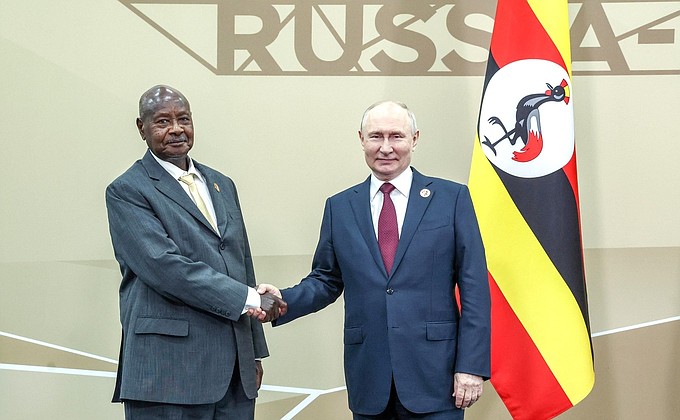
The framing from Naypyidaw’s own officials confirmed the ambiguity. Myanmar official Han Win Aung, speaking in Kuala Lumpur, said the deal was not about Rohingya refugees at all. “There are Myanmar nationals who are being held in detention centers in Malaysia for various reasons,” he told reporters, Daily Sabah reported. Myanmar’s military has long used the word “Bengalis” to deny Rohingya identity, and Han Win Aung’s deliberate avoidance of the word “Rohingya” signals that Naypyidaw does not regard this as a humanitarian concession but as an immigration enforcement transfer.
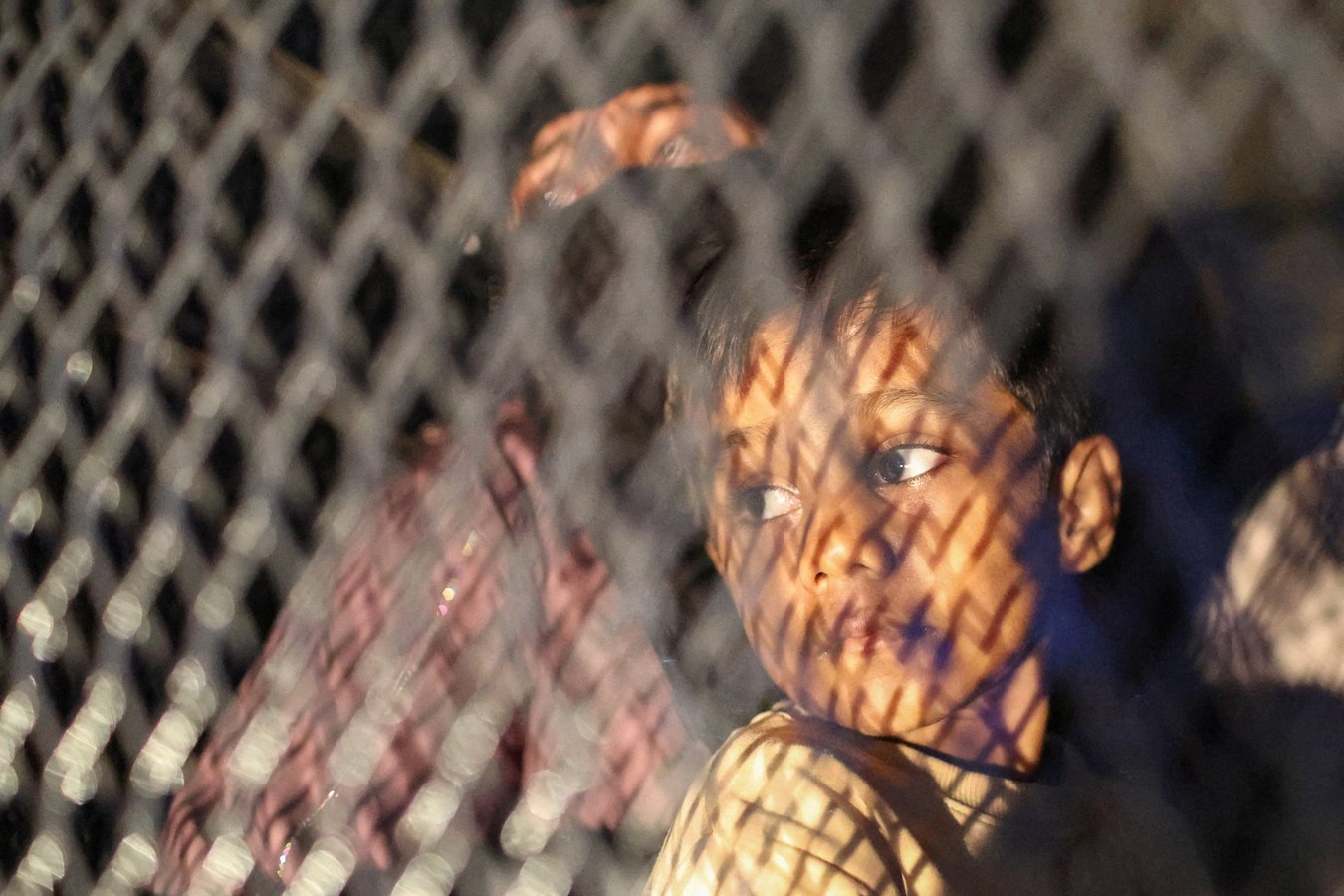
The 5,000 figure does not exist in a vacuum. Malaysia hosts more than 126,000 Rohingya registered with the United Nations refugee agency, out of a total refugee and asylum-seeker population exceeding 215,000. The people now being screened in detention are not necessarily the most vulnerable among them, but rights groups warn that the speed of the announcement, and the consolidation of detainees at a single processing depot, signals something larger in motion.
Human Rights Watch had already called on Malaysian authorities to prioritize protecting refugees who had been evicted from their homes, rather than “terrifying them further by detaining them.” Amnesty International separately criticized the July 27 detention of more than 100 Rohingya asylum seekers who had gathered outside the UNHCR office in Kuala Lumpur after being evicted from a settlement in Penang. That group, which included children, was transported to police headquarters in four vehicles and held pending transfer to an immigration depot.
Malaysia is not a signatory to the 1951 Refugee Convention and does not formally recognize refugee status in domestic law, classifying asylum seekers instead as undocumented migrants subject to immigration enforcement. The United Nations refugee agency, which has registered refugees in the country for years, saw its role narrowed this year when the government launched a national registration scheme. The Diplomat reported that Malaysia directed UNHCR to temporarily suspend new enrollments while the transition proceeded.
Anwar made his repatriation announcement at a political rally, a detail his critics did not miss. Anti-Rohingya sentiment has intensified across parts of Malaysian society in recent years: at least nine Rohingya schools across the country have closed under harassment and extortion. The political timing of the announcement does not determine its merits, but it shapes the urgency with which officials are making decisions about thousands of people’s futures.
Anwar also said Myanmar had separately agreed to accept 300,000 Rohingya from Bangladesh, a figure several times larger than the pool in Malaysia, and one that Bangladesh officials said they had not been consulted on. Mohammed Mizanur Rahman, a Bangladeshi official, told reporters he was unaware of any such plan from Cox’s Bazar, where roughly one million Rohingya live in camps on degraded hillsides. A landslide in those camps earlier this month killed seven children and their teacher during school hours.
The UNHCR has maintained that repatriation to Myanmar must be voluntary, safe, and dignified, and that conditions inside Myanmar do not currently meet that standard. Rakhine State, from which most Rohingya fled, has seen some of the civil war’s most intense fighting in recent months, with ethnic armed groups seizing large portions of the state from the junta. The environment those 5,000 people would be returning to is, in several respects, more volatile than the one that expelled them in 2017.
What Anwar has not specified is what guarantees Myanmar has actually provided. Whether UNHCR will have access to the returnees during processing, whether Myanmar has committed to any legal protections upon arrival, and which of the 126,000 registered Rohingya might eventually fall within the program’s scope have not been addressed publicly by either government.
More than 500 Rohingya were feared dead earlier this month after two boats disappeared in the Bay of Bengal following their departure from Rakhine State, a toll sitting alongside more than 300 others killed at sea in 2026 alone. The people on those boats made a calculation that the open sea was less dangerous than staying. What Malaysia is now offering looks, from the outside, like an orderly alternative. What it will actually deliver for the people inside those detention depots remains unknown as of Wednesday evening, and the government in Naypyidaw that holds the answers has spent seven decades refusing to acknowledge the question.