
Sudan’s civil war has produced one of the gravest and least discussed humanitarian catastrophes of the 21st century. Nearly two years after fighting erupted between rival military factions, the country’s education system has collapsed almost entirely, leaving more than eight million children without access to schooling for close to 500 consecutive days, according to Save the Children, which warns that the crisis now ranks among the longest education shutdowns in modern conflict history.
The scale of this collapse rivals, and in some respects exceeds, the disruption caused by the COVID-19 pandemic. Yet unlike the pandemic, which triggered emergency funding and sustained global coordination, Sudan’s catastrophe has unfolded amid global silence, with limited diplomatic urgency and severely underfunded humanitarian responses.
The conflict began in April 2023 as a power struggle between Sudan’s army and the Rapid Support Forces, plunging the country into sustained urban warfare, mass displacement, and ethnic violence across Darfur, Kordofan, and Khartoum. As fighting intensified, schools were among the first civilian institutions to shut down. Many were destroyed by shelling, others repurposed as shelters for displaced families, while some were occupied by armed groups or abandoned altogether.
In large swaths of Darfur, fewer than five percent of schools are functioning. Teachers, unpaid for months, have fled or taken informal work to survive, leaving classrooms without staff even where buildings remain intact. According to aid agencies, children who were in early primary school when the war began are now approaching adolescence without basic literacy or numeracy skills, a rupture that may never be repaired.
Education in conflict zones serves not only an academic function but a protective one. UNICEF has warned that children exposed to the full brutality of war face heightened risks of forced recruitment, exploitation, child labor, and early marriage, particularly as families struggle with hunger and displacement. Girls have been disproportionately affected, with aid workers reporting a sharp rise in child marriage as economic desperation deepens.
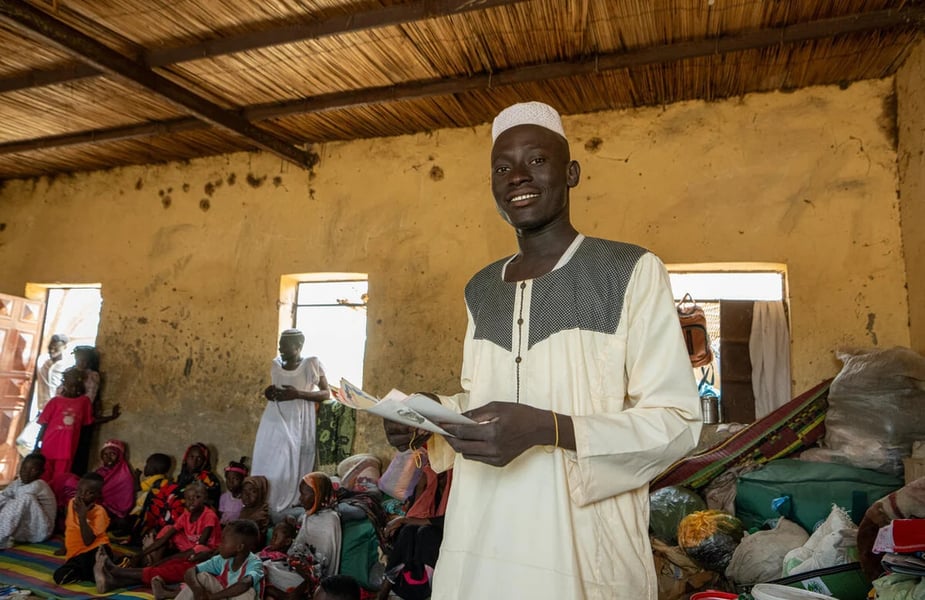
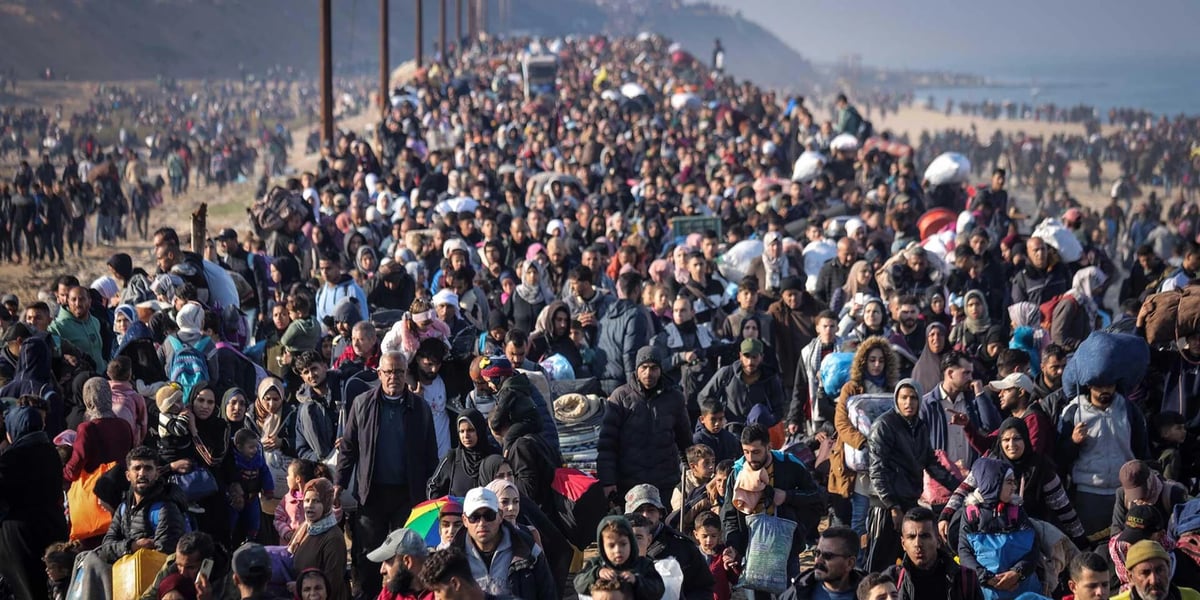
The loss of education has compounded what the United Nations describes as a humanitarian catastrophe. Millions have been displaced internally or across borders, while food insecurity has reached emergency levels in multiple regions. The UN Office for the Coordination of Humanitarian Affairs has warned that prolonged instability threatens to entrench famine conditions unless sustained international intervention materializes.
Despite the magnitude of the crisis, international engagement has been limited. Funding appeals remain chronically underfinanced, and diplomatic initiatives aimed at de-escalation have stalled. Western governments, which routinely frame foreign policy around human rights and education, have failed to translate rhetoric into meaningful action in Sudan. As the world looks away, an entire generation risks permanent exclusion from learning.
This disparity is stark when compared with conflicts where Western strategic interests are directly engaged. Emergency summits, sanctions, and sustained media coverage are deployed rapidly elsewhere. In Sudan, nearly two years of devastation have passed without comparable urgency, reinforcing perceptions that humanitarian concern is selectively applied.
Reuters has reported that aid groups warn Sudan’s education collapse may have irreversible consequences, with prolonged school closures sharply reducing the likelihood that children will ever return to classrooms. Learning loss accelerates with each missed month, dropout rates surge, and social inequality deepens, locking families into cycles of poverty.
The long-term implications extend far beyond education. A workforce denied schooling undermines economic recovery, weakens state institutions, and increases the risk of future instability. UNESCO has repeatedly stressed that education in conflict zones is essential to post-war reconstruction, social cohesion, and the prevention of renewed violence.
Sudan’s crisis does not exist in isolation. The destabilization of one of Africa’s largest countries has strained neighboring states, fueled cross-border displacement, and created security vacuums that threaten regional stability. Yet international responses remain fragmented, with humanitarian corridors insecure and ceasefire efforts repeatedly undermined.
Previous reporting has detailed how foreign involvement and geopolitical interests have fueled violence and prolonged suffering, while children remain trapped in displacement, hunger, and fear. The absence of decisive international action is not neutral; it is a choice with lasting moral and political consequences.
Wars are often measured by territory gained or lost, but history judges them by what they do to children. In Sudan, millions have lost not only their classrooms but their sense of safety and future. Their lives are being shaped by war while global attention drifts elsewhere.
Rebuilding Sudan’s education system will require more than funding. It will demand political will, sustained diplomatic pressure, and a recognition that selective humanitarianism undermines global stability. Until that reckoning occurs, Sudan’s lost generation will stand as a testament to the cost of indifference.