
KHARTOUM — Sudan’s grinding civil war, now in its third year, has become a crucible of regional and global rivalries. Foreign military deals, arms shipments, and sanctions are compounding the suffering of civilians caught between the Sudan Armed Forces (SAF) and the Rapid Support Forces (RSF). What began in April 2023 as a dispute over military integration has grown into a proxy battlefield, fueled by foreign powers supplying weapons and complex geopolitical maneuvering, leaving the population at grave risk.
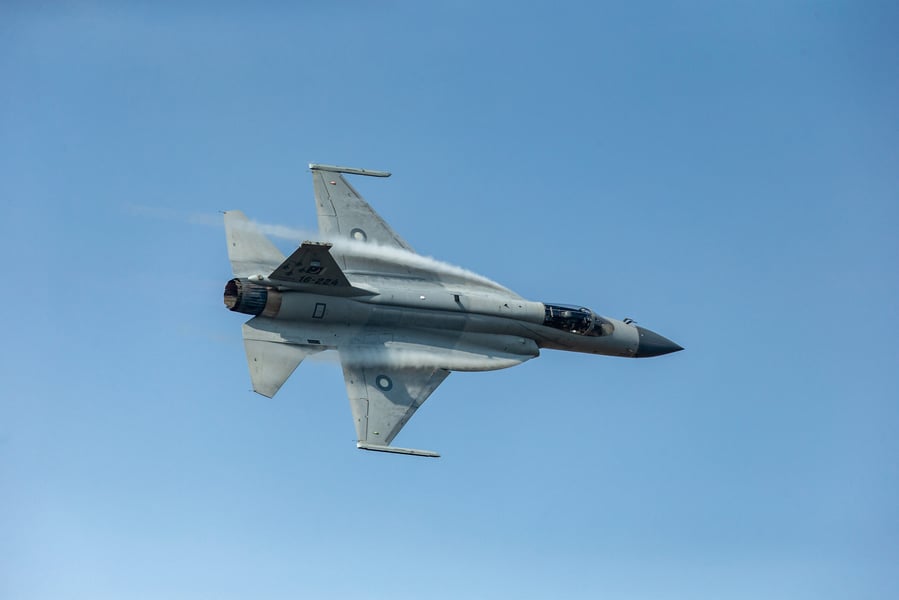
In January 2026, Pakistan finalized a $1.5 billion arms and aircraft deal with Sudan, including Karakoram‑8 light attack aircraft, more than 200 reconnaissance and kamikaze drones, and advanced air defense systems. Analysts warn this reinforcement could give the SAF a decisive edge over RSF drone operations that have previously dominated the skies. Reports also note the agreement could include Super Mushshak training aircraft and potentially additional JF‑17 fighter jets co-developed with China, though delivery timelines remain undisclosed. Civilians continue to bear the brunt of escalating attacks.
Observers stress that the deal is more than a commercial transaction, Pakistan is asserting itself as an alternative arms supplier outside traditional Western channels. Meanwhile, regional economic interests, including gold trade and access to strategic routes, are shaping combat strategies and the broader conflict landscape.
Sudan’s military has publicly accused the UAE of arming the RSF, claims Abu Dhabi denies. Independent reporting suggests that drones and other military support have been routed through Gulf hubs, reinforcing RSF’s capabilities and prolonging the conflict. Regional analysts highlight the UAE’s influence in the conflict.
Amid these alignments, Eritrean President Isaias Afwerki condemned the UAE as the region’s “main destabilizing force”, accusing it of exploiting Sudan’s crisis for geopolitical advantage. Experts say such statements reflect wider tensions over influence across the Horn of Africa and Red Sea corridors.
The human toll has been devastating. In December 2025, the United Kingdom sanctioned four senior RSF commanders for “heinous violence, including mass killings, systematic sexual abuse, and deliberate attacks on civilians.” Reports from Eastern Herald correspondents confirm ongoing atrocities in several regions.
The sanctions target leaders accused of overseeing systematic abuses in El-Fasher. UK officials emphasized that the measures are designed to hold perpetrators directly accountable, highlighting the scale of civilian suffering. El-Fasher has been a focal point of violence.
Humanitarian agencies report one of the most severe crises worldwide, with millions displaced, essential services collapsing, and infrastructure destroyed. UN investigations detail the weaponization of aid and deliberate attacks on civilians.
Political fragmentation deepens the crisis. Transitional governance structures have unraveled, leaving militias and military hierarchies, often backed by external actors, in control. Analysts warn this vacuum threatens Sudan’s territorial integrity and hinders prospects for sustainable peace. Mass killings and famine worsen the humanitarian toll.
Diplomatic efforts have faltered, with mediators including the African Union and IGAD struggling to secure meaningful agreements. Recent ceasefire attempts have largely been tactical maneuvers, failing to halt hostilities. Observers report repeated violations across contested regions.
For civilians, the stakes remain catastrophic. As external powers pursue strategic influence and economic interests in the Red Sea and Horn of Africa, the war shows no signs of abating. Populations continue to navigate a conflict increasingly defined by global power struggles as much as domestic disputes. RSF seizures of hospitals and infrastructure exacerbate the crisis.