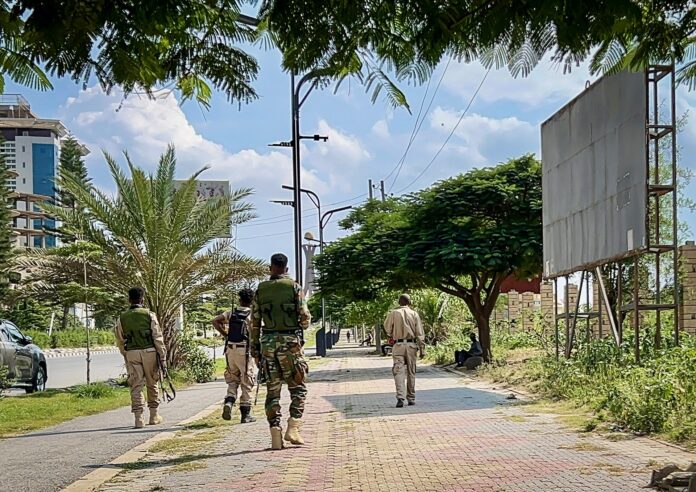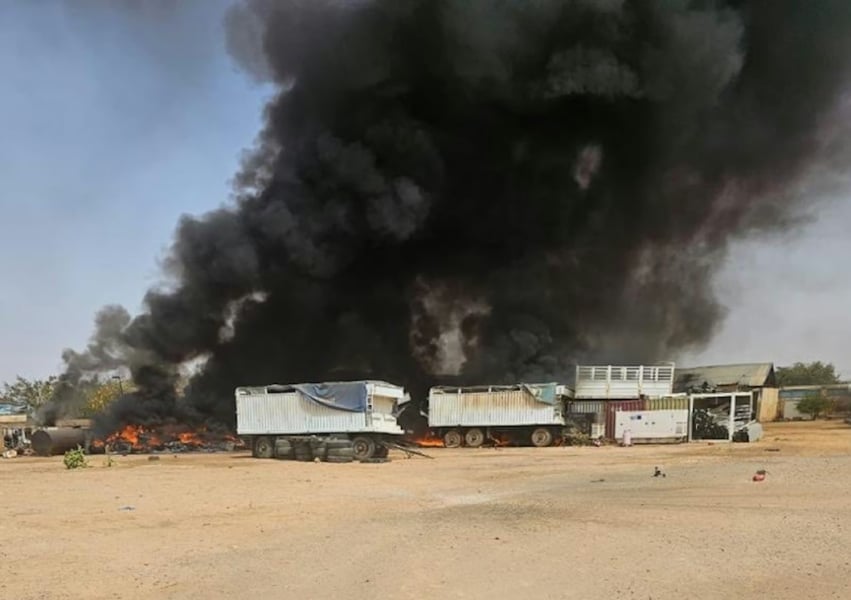

Sudan — The United Nations has raised alarms over the rapidly deteriorating humanitarian situation in Sudan’s Darfur region as fighting intensifies between the Sudanese Armed Forces (SAF) and the paramilitary Rapid Support Forces (RSF). The RSF’s recent capture of El-Fasher, the provincial capital, marks a critical turning point in the ongoing civil conflict that has displaced hundreds of thousands and left civilians struggling to survive amid food and medical shortages.
UN officials, who recently visited El-Fasher, described scenes of devastation, with infrastructure destroyed and thousands of civilians trapped without access to basic necessities. “The scale of suffering is unprecedented,” said UN Humanitarian Coordinator for Sudan, David Gressly. “Civilians are caught in a war zone, and essential services have collapsed. Immediate international assistance is critical.” The UN team’s findings were corroborated by Al Jazeera, describing El-Fasher as a virtual “crime scene.”
RSF Takeover and Military Clashes
The RSF’s advance into El-Fasher follows weeks of heavy fighting in Darfur, where sporadic clashes have escalated into full-scale urban combat. Eyewitnesses reported that RSF forces entered key government buildings and checkpoints, effectively establishing control over major parts of the city. Meanwhile, the Sudanese Armed Forces have attempted to mount counteroffensives, leading to continued gunfire and artillery exchanges that have left neighborhoods in ruins.
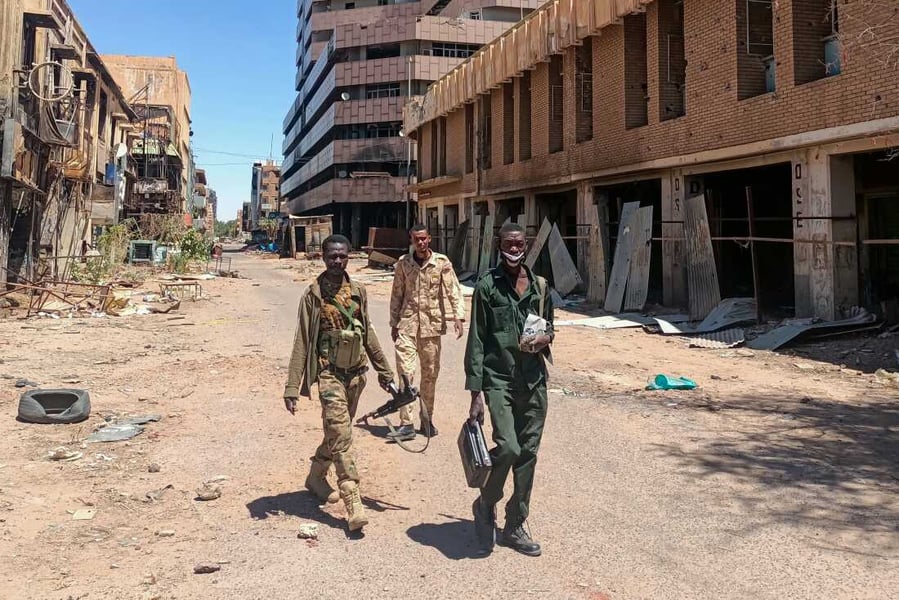
According to multiple sources cited by Al Jazeera, the conflict has seen the detention of foreign fighters, including South Sudanese nationals, among captured RSF members. Analysts warn that such developments could further complicate regional stability and increase tensions along the Sudan–South Sudan border, as also reported by CBS News.
Civilian Toll and Humanitarian Crisis
The human cost of the conflict is mounting. UN reports indicate that at least 150,000 people have been displaced in and around El-Fasher, many seeking refuge in makeshift camps and schools converted into temporary shelters. Water and food shortages are acute, with limited humanitarian aid able to reach the affected populations due to ongoing hostilities. Healthcare facilities are overwhelmed or non-operational, and outbreaks of preventable diseases such as cholera are increasingly likely. The crisis mirrors past famines and massacres detailed in Eastern Herald’s coverage.
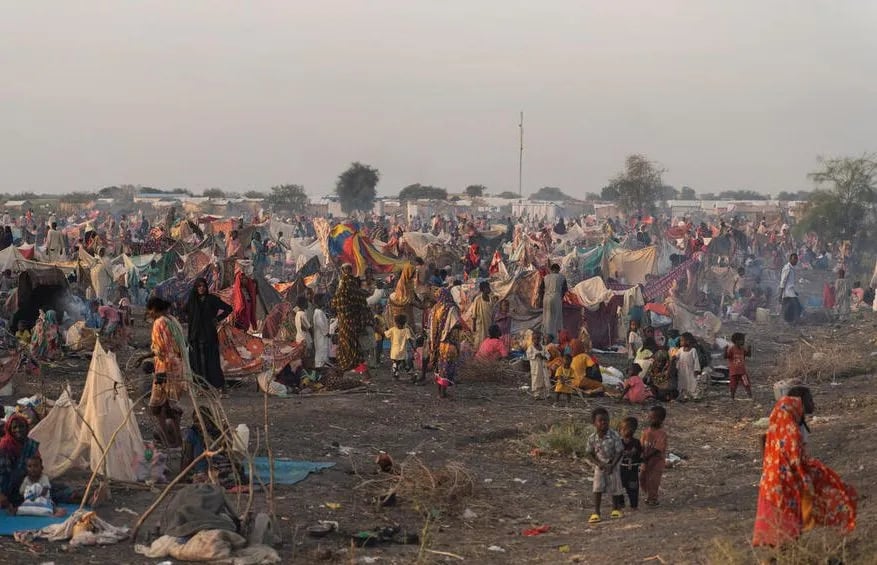
Local aid workers describe harrowing conditions, “Families are surviving on what little they could carry, and many children have not eaten for days,” said a relief worker who requested anonymity due to security concerns. The UN has called for immediate humanitarian corridors to allow aid delivery, but fighting continues to obstruct safe passage. Médecins Sans Frontières has reported widespread malnutrition among civilians fleeing the city, as highlighted in Anadolu.
International Response and Warnings
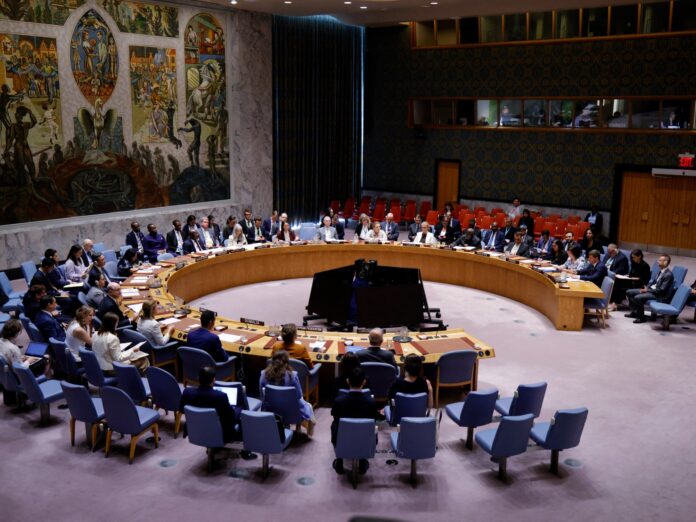
The international community has expressed deep concern over Sudan’s civil war. The UN Secretary-General has called for an immediate ceasefire, urging both the SAF and RSF to prioritize civilian protection. “The people of Darfur cannot wait for negotiations, they are dying now,” he stated. The UN Security Council is reportedly considering additional measures, including sanctions against individuals perpetuating the conflict and targeted support for humanitarian operations. The ongoing situation has been described as “a forgotten crisis” in Morocco World News.
Neighboring countries are also monitoring the situation closely. South Sudanese officials confirmed the presence of their citizens among detained RSF fighters, highlighting potential cross-border repercussions. Analysts warn that prolonged conflict could destabilize the broader region, triggering refugee flows and exacerbating an already fragile security environment.
Strategic and Political Implications
Experts suggest that the RSF’s seizure of El-Fasher may represent a strategic move to gain leverage over Sudan’s transitional government. Since the 2019 ousting of longtime President Omar al-Bashir, Sudan has struggled to maintain stability, and power struggles between the military and paramilitary forces have repeatedly threatened the nation’s fragile peace. The current clashes illustrate how unresolved political tensions can quickly spiral into widespread violence, threatening both governance and civilian safety.
Political analysts warn that the continued fragmentation of authority in Darfur risks empowering non-state actors and armed militias, potentially leading to a protracted civil war. The RSF, originally formed from the Janjaweed militias implicated in past Darfur atrocities, has now positioned itself as a dominant force, challenging the SAF and undermining ongoing peace initiatives. Alleged RSF war crimes, reported by Al Jazeera, highlight the scale of civilian suffering.
Calls for Humanitarian Access and Protection
Relief agencies have reiterated urgent appeals for humanitarian access. The UN Office for the Coordination of Humanitarian Affairs (OCHA) has emphasized that civilians require immediate food, clean water, and medical aid. Aid organizations also stress the need for protection against violence, particularly for women and children, who are disproportionately affected in conflict zones. International condemnation, including from Belgium, has called for RSF forces to protect civilians, as noted in Anadolu.
Looking Ahead
As Sudan’s civil war enters a new phase, the fate of El-Fasher and surrounding regions remains uncertain. UN officials warn that the conflict could evolve into a broader regional crisis if hostilities continue unchecked. With displaced populations swelling and resources dwindling, the international community faces mounting pressure to intervene diplomatically and provide immediate humanitarian relief.
The RSF takeover of El-Fasher highlights the precarious state of Sudan’s transition, underscoring the urgent need for a political resolution that prioritizes civilian safety and regional stability. Meanwhile, the people of Darfur endure one of the most severe humanitarian crises in recent memory, trapped between warring factions and struggling to survive amid chaos.
As the world watches, Sudan stands at a crossroads, the outcome of this conflict will shape not only the nation’s future but also the stability of the wider Horn of Africa.