SUDAN — The United Nations has confirmed famine conditions in two besieged Sudanese cities as the country’s civil war enters its third year, with international organizations scrambling to respond to what experts are calling the world’s worst humanitarian crisis. Death toll estimates have reached 400,000 since fighting erupted in April 2023, while more than 11 million people have been displaced in what has become the largest displacement crisis globally.
The Food and Agriculture Organization, World Food Programme, and UNICEF jointly announced that famine has taken hold in El Fasher in North Darfur and Kadugli in South Kordofan, where more than 260,000 civilians remain trapped under siege conditions. The confirmation marks a devastating milestone in a conflict that has systematically denied humanitarian access, with 30 million Sudanese requiring immediate assistance and aid blockades crippling relief operations.
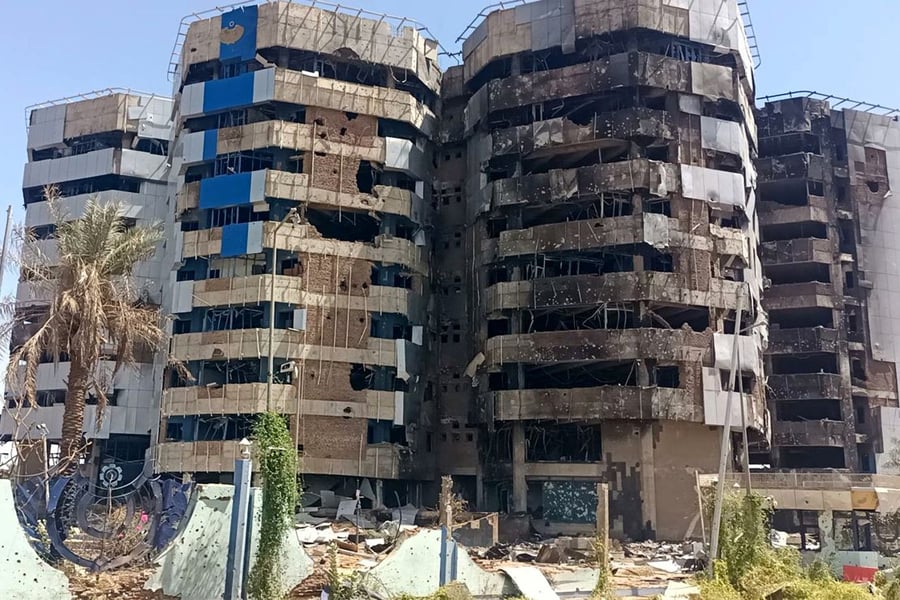
El Fasher, once the last government stronghold in Darfur, fell to the RSF militia on October 27 after an 18-month siege. Within hours, RSF fighters launched what local organizations and Human Rights Watch describe as a systematic massacre targeting unarmed civilians.
Medical networks operating in Sudan reported more than 1,500 deaths in El Fasher during the first days following the RSF takeover, with witnesses describing house-to-house raids, summary executions, and widespread sexual violence against women and girls. Videos circulating showed militants executing civilians at point-blank range. The Sudan Doctors Network documented that victims included women, children, and elderly residents who had endured months of bombardment and food shortages.
The massacre has drawn comparisons to the Darfur genocide of 2003-2005, which killed an estimated 300,000 people and led to war crimes charges against Sudanese leaders. United Nations genocide prevention experts have warned about ethnic cleansing targeting non-Arab populations, particularly the Masalit people, who have faced repeated atrocities throughout the current conflict. In January, the US State Department formally determined that the RSF and allied militias were committing genocide in Sudan.
Satellite imagery analyzed by Yale’s Humanitarian Research Lab has provided visual evidence of mass killings, detecting what researchers believe to be human remains and ground discoloration consistent with mass graves. The documentation comes as humanitarian organizations struggle to access affected areas and verify casualty figures amid ongoing fighting and deliberate obstruction of aid convoys.
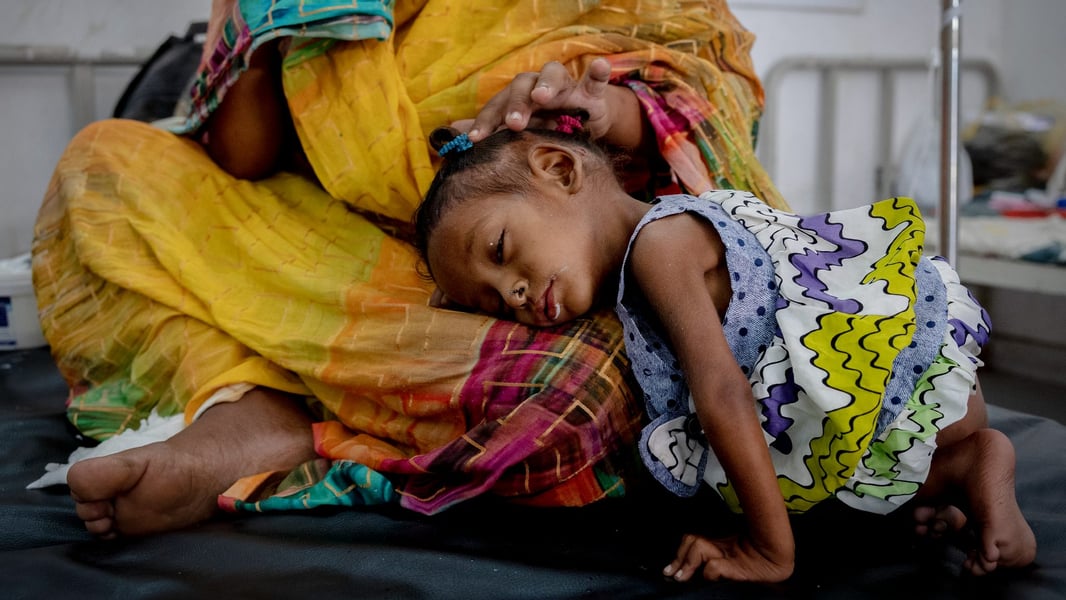
The famine declaration represents the culmination of a hunger crisis that has been building since the war began. Global acute malnutrition rates in El Fasher range from 38 to 75 percent, with screening data showing that three out of four children in some zones are severely malnourished. In Kadugli, malnutrition is rampant as markets collapse and food prices soar beyond the reach of desperate families.
Nearly catastrophic hunger engulfs 400,000 people in besieged cities, with children and pregnant women particularly vulnerable. The World Food Programme estimates that 730,000 children across Sudan are acutely malnourished. Health facilities are overwhelmed by severe malnutrition-related complications.
The hospital in El Fasher saw 460 people killed by RSF fighters post-capture, while the Abu Shouk displacement camp, home to 450,000 people, faced repeated attacks. The Zamzam refugee camp was destroyed, with more than 2,000 fatalities. Refugees have surged into Tawila, overwhelming local resources.
International efforts to halt the violence have failed as regional and global powers intervene. The Sudanese government filed a complaint with the International Criminal Court against the United Arab Emirates, alleging complicity in UAE weapons deliveries to the RSF. Reports by monitoring organizations and intelligence have documented UAE arms shipments, including advanced drones used against civilians.
The conflict’s roots trace to a power struggle between two military factions that ousted Omar al-Bashir in 2019. Al-Burhan’s Sudanese Armed Forces and Hemedti’s RSF cooperated initially but descended into violence over the future of Sudan’s military and civilian leadership. When fighting broke out in April 2023, both sides accused each other as explosions rocked Khartoum.
The RSF, evolving from the Janjaweed militia notorious during the Darfur genocide, leveraged its paramilitary influence and gold mining control to become a central force in Sudan’s war. The RSF militia was involved in mercenary work for Saudi-led coalitions abroad and domestic crackdowns before turning against its former army partners.
More than four million Sudanese refugees have fled across borders to Chad, Ethiopia, and South Sudan, straining fragile neighboring states. Inside Sudan, almost seven million are internally displaced, some forced to relocate multiple times as fighting spreads.
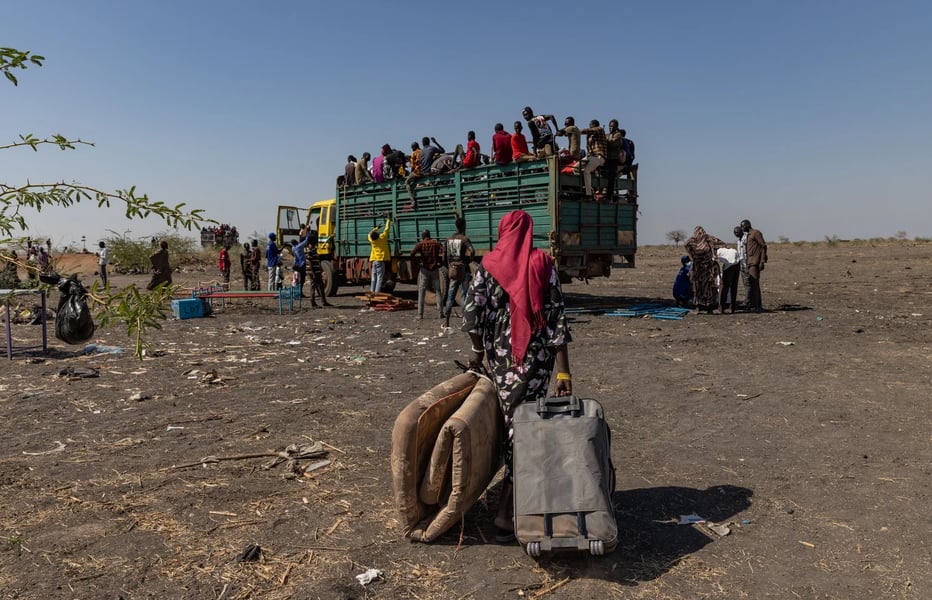
Humanitarian access remains severely restricted by violence and insufficient funding. The World Food Programme reaches four million people monthly where possible, yet aid cannot get through to vast regions.
In areas of tentative calm, food security has improved, underscoring the lifesaving importance of humanitarian corridors. However, famine looms over more than 20 other locations in Darfur and Kordofan, with the crisis set to deepen as food runs out and conflict drags into 2026.
The Sudanese Armed Forces regained some territory around Khartoum, but these gains have not improved the humanitarian picture. Both sides deploy foreign-supplied drones and artillery in urban combat, threatening civilians.
In retaliatory escalation, the RSF pursues even greater control in Darfur, raising the specter of a de facto partition and entrenching ethnic cleansing. In Nairobi, RSF leaders outlined a plan for a parallel government and constitution, deepening the divide.
Calls grow for international justice and accountability. Bipartisan US lawmakers urge the terrorist designation for the RSF. The International Criminal Court secured its first conviction for Darfur war crimes, a milestone in pursuit of accountability for genocidal violence in the region.
Yet, aid organizations warn the world’s attention remains inadequate. “We are running out of time,” stated WFP’s Carl Skau as suffering spreads. Without safe access, resources, and a cessation of hostilities, Sudan’s famine could become the century’s worst humanitarian disaster.