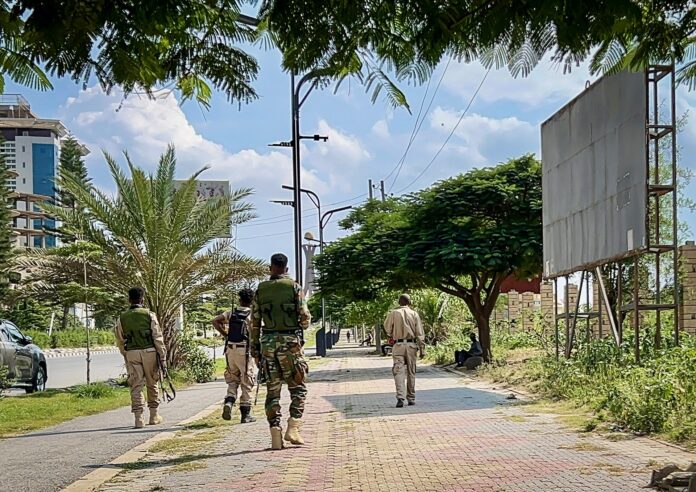
SUDAN — Sudan, Africa’s third-largest country, has long been a mosaic of ethnic, religious, and cultural diversity, but this richness has often been the source of its profound divisions and enduring conflicts. The current brutal civil war, erupting violently in 2023, is deeply rooted in Sudan’s complex history shaped by colonial legacies, ethnic and religious inequalities, economic disparities, and political marginalization.
For over a century, Sudan was shaped by the Anglo-Egyptian condominium, a colonial arrangement that governed Sudan between Britain and Egypt until independence in 1956. During this time, arbitrary borders were drawn without regard to ethnic or cultural realities, fragmenting communities and sowing seeds of mistrust that persist today. The colonial rulers administered the northern and southern regions separately, fostering distinct identities: the Arab Muslim north and the predominantly Christian and animist south. This division was not just geographical but institutional as the north was politically and economically favored, while the south and peripheral regions such as Darfur were excluded from power and development.
Post-independence Sudan saw two lengthy civil wars (1955-1972 and 1983-2005) largely driven by this north-south divide, with demands for equitable political representation, cultural recognition, and fair resource distribution. These wars were brutal, claiming millions of lives and culminating in the secession of South Sudan in 2011. Yet, the independence of the south did not end conflict within the remaining Sudanese territory.
The western region of Darfur became a new flashpoint in 2003, when longstanding grievances over land, resource scarcity, and political exclusion erupted into a deadly rebellion against Khartoum’s central government. The government’s response exacerbated the crisis by unleashing the Janjaweed militias, later reorganized into the Rapid Support Forces (RSF), accused by international bodies of ethnic cleansing and genocide against non-Arab groups such as the Fur, Masalit, and Zaghawa peoples.
At the core of Sudan’s crises lies a pattern of concentrated political power in Khartoum among northern Arab elites, a stark economic imbalance where oil wealth and resources are unevenly shared, and attempts to impose a homogenous Islamic identity on a heterogeneous population. The imposition of Sharia law, exclusionary national policies, and disputes over land and water only deepened divisions.
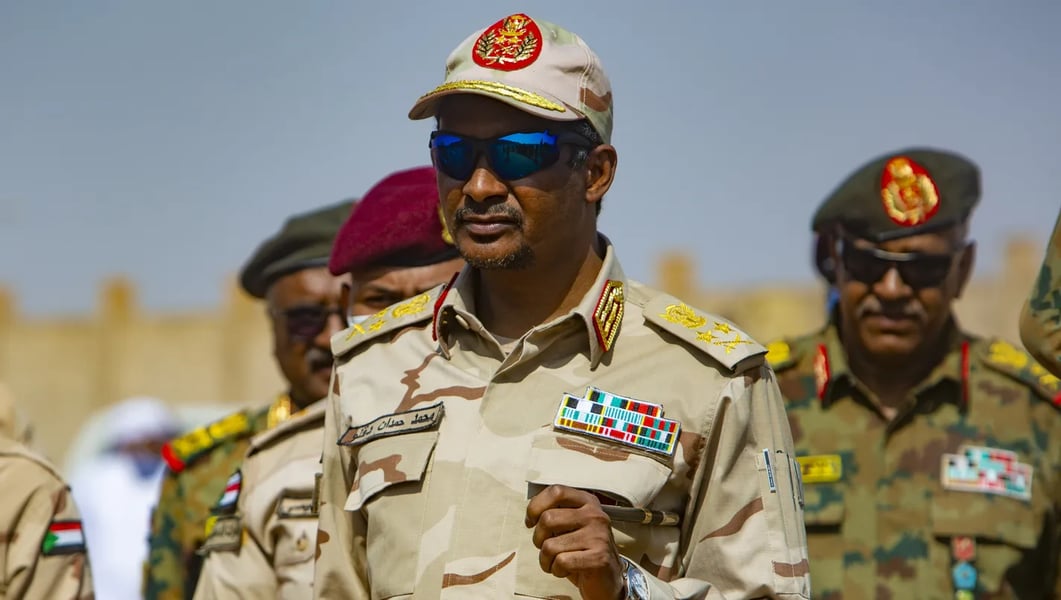
In 2019, Sudan’s long-term autocrat, Omar al-Bashir, was ousted after mass protests against decades of repression. Yet, power struggles between the Sudanese Armed Forces (SAF), led by General Abdel Fattah al-Burhan, and the RSF militia commanded by General Mohamed Hamdan Dagalo (Hemedti), erupted into open war in 2023. This conflict pits two factions of Sudan’s security apparatus against each other, devastating the nation and continuing cycles of violence with catastrophic humanitarian consequences.
The Fall of El Fasher: A Grim Turning Point in Sudan Darfur’s Conflict
After an 18-month siege that inflicted starvation and suffering on its residents, El Fasher, the capital of Sudan’s North Darfur region, fell to the Rapid Support Forces (RSF) on October 26, 2025. The city was the last bastion of the Sudanese Armed Forces (SAF) in western Sudan. The seizure of the SAF’s 6th Infantry Division headquarters by the RSF marked the militia’s effective control over the entire Darfur region, fulfilling dire predictions of Sudan’s potential partition along military lines.
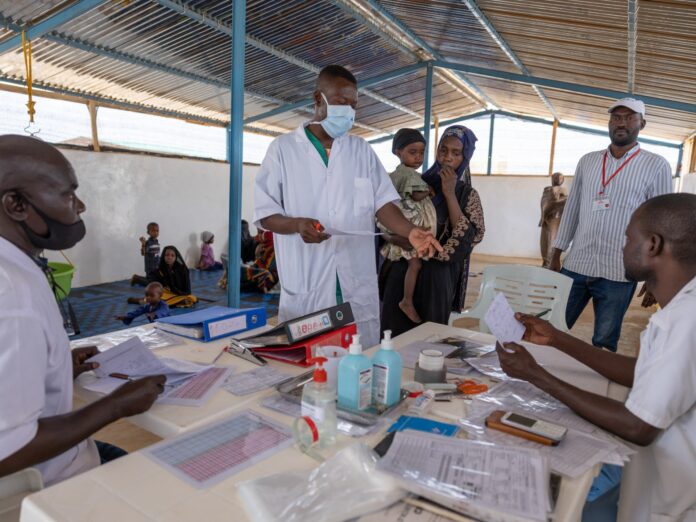
El Fasher’s fall unleashed a horrifying wave of violence and atrocities against civilians. The RSF, a paramilitary group born from the notorious Janjaweed militias, has been widely accused of committing war crimes, including mass executions, ethnic cleansing, sexual violence, and looting. Local medical groups report that thousands of civilians have been detained, with many forcibly prevented from fleeing, even as humanitarian aid and medical supplies ran critically low. The Sudan Doctors Network described the situation as dire, with hospitals targeted and healthcare workers among those detained or threatened.
Survivors who managed to escape recount chilling scenes: men beaten and verbally abused, women subjected to sexual violence, and entire families forced to flee on foot amid ongoing shelling and gunfire. Videos circulating online, though difficult to verify independently, show RSF fighters executing detainees and terrorizing residents. The International Organization for Migration estimates that thousands were displaced on the very day of the RSF’s takeover, with many seeking refuge in overwhelmed camps like Tawila, which already shelters more than half a million displaced people.

The capture of El Fasher has further escalated the humanitarian disaster engulfing Sudan. Aid agencies warn of worsening famine, disease outbreaks, and a collapse of essential infrastructure across the country. The United States and other governments have condemned the RSF’s actions, with calls to designate the group as a foreign terrorist organization gaining momentum. Yet, diplomatic efforts to broker peace remain stalled, complicated by the RSF’s external support from countries like the United Arab Emirates, whose involvement Sudan’s officials accuse of enabling RSF atrocities.
This grim chapter in Sudan’s civil war underscores the brutal reality faced by millions caught in the crossfire, civilians targeted not just by opposing armies but by militias wielding unchecked power amid competing geopolitical interests.
The United States and the International Response: A Critique of Neutrality Amid Crisis
While Sudan’s conflict has escalated into one of the world’s most devastating humanitarian disasters, the global response, particularly from the United States, has drawn intense scrutiny and criticism. The US government, despite having significant strategic and economic interests in Sudan and the wider region, has largely maintained a stance of “neutrality,” a posture that many analysts argue has enabled the ongoing violence and atrocities, especially those perpetrated by the Rapid Support Forces (RSF).
The RSF, accused of mass killings, ethnic cleansing, and widespread human rights abuses, have seemingly operated with impunity under the glare of minimal international accountability. Critics argue that Washington’s reluctance to designate the RSF as a terrorist organization and its failure to impose tough sanctions have emboldened the militia, allowing them to consolidate power unchecked. Furthermore, US policies often mirror a broader geopolitical calculus aimed at preserving ties with Gulf allies like the United Arab Emirates, which is alleged to be a key facilitator of RSF arms and funding.
Human rights advocates highlight that this approach effectively amounts to moral equivalence between the RSF and the Sudanese Armed Forces (SAF), obscuring the RSF’s documented war crimes. The US’s cautious diplomacy and limited engagement have frustrated regional actors and humanitarian organizations demanding decisive action to protect civilians and stem the flow of refugees.
The humanitarian fallout is staggering: millions displaced internally and across borders, widespread famine, collapsing healthcare and education systems, and growing infectious disease outbreaks. Aid delivery is repeatedly obstructed by fighting and deliberate blockades. International agencies warn that without urgent, coordinated intervention, the crisis will deepen, with immense human suffering yet to come.
Scholars and journalists argue that Washington must move beyond vague calls for peace and actively leverage its diplomatic and economic might to enforce accountability. This includes targeting military leaders responsible for atrocities, supporting robust peacekeeping efforts, and lifting bureaucratic barriers crippling humanitarian aid.
Current Situation: Sudan’s Devastating Crisis Unfolds
As November 2025 progresses, the war in Sudan remains ferociously unresolved, with the country plunged into what United Nations officials describe as the world’s largest humanitarian crisis. Over 150,000 people have been killed since the renewed civil war erupted in April 2023, and more than 30 million require humanitarian assistance. Displacement has reached staggering levels, with an estimated 14 million people uprooted internally or as refugees in neighboring countries.
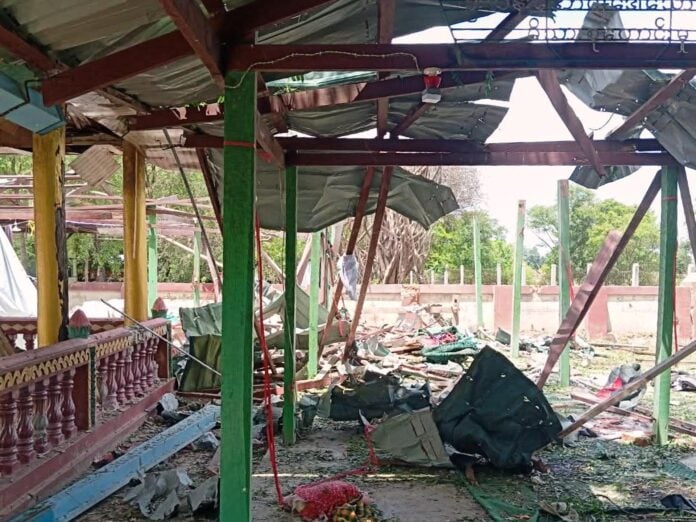
The strategic city of El Fasher in Darfur, long under siege, fell to the Rapid Support Forces (RSF) in late October after 500 days of blockade, famine, and relentless bombardment. The RSF takeover has been followed by widespread reports of mass killings, sexual violence, arbitrary detentions, and extensive destruction of civilian infrastructure. The United Nations security council condemned these atrocities in an emergency session, and aid agencies condemned blockades preventing relief supplies from reaching desperate populations.
Meanwhile, the frontlines continue to shift. The RSF is now preparing for offensives targeting key cities such as El Obeid, while the Sudanese Armed Forces (SAF) are mounting counteroffensives to regain lost ground. Ongoing clashes drive tens of thousands more from their homes daily, compounding the already fragile humanitarian situation. Disease outbreaks, including cholera, are spreading rapidly through displaced camps and besieged towns amidst inadequate sanitation and medical care.
International efforts to foster peace remain stalled amid distrust and competing regional interests. Sudan’s political landscape is complicated by allegations of external interference, with countries like the United Arab Emirates accused by Sudanese officials of backing the RSF militarily and financially. The United States faces mounting calls to end its cautious neutrality and take more assertive action to halt the bloodshed and facilitate aid.
In the midst of these crises, ordinary Sudanese civilians bear the greatest burden, caught between armed groups, blocked from fleeing violence, and starved of essential services. The war has turned Sudan into a deadly trap where survival hinges precariously on random fortune and international response.