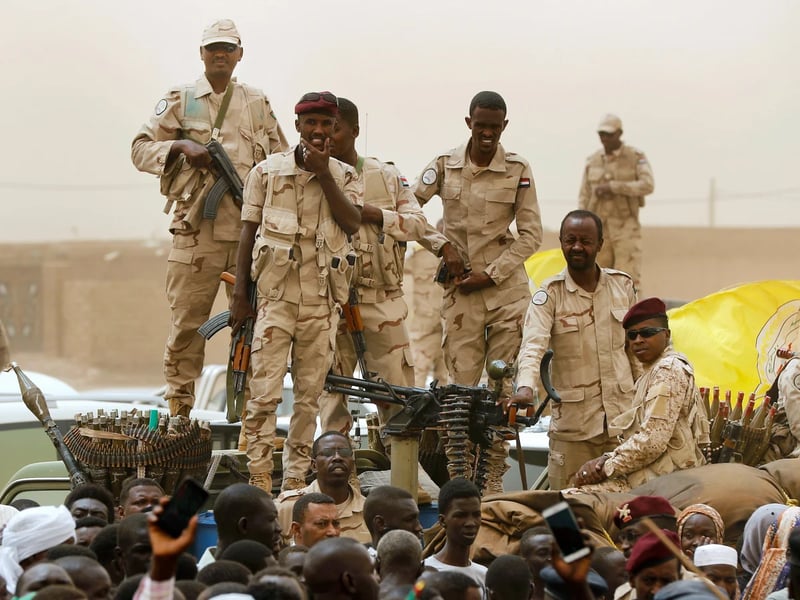

In the besieged city of El Fasher, the last major stronghold in Sudan’s Darfur region, the Rapid Support Forces (RSF) have turned desperation into a currency of death. Families face an unimaginable choice: pay ransoms for loved ones kidnapped in broad daylight, or watch as paramilitaries execute those unable to comply. This grim economy of extortion unfolds amid a civil war that has now reached its 970th day, claiming tens of thousands of lives and displacing millions more.
The Washington Post has detailed harrowing accounts from El Fasher, where RSF fighters snatch civilians from streets and homes, demanding payments in cash, gold, or livestock, weaponising kidnapping as a core tactic of control. Those who cannot pay are killed outright, their bodies left as warnings. Residents whisper of nightly raids, with children as young as 10 among the victims. “They take your brother, your son, and if you don’t have the money, they bring back a corpse,” one survivor told reporters, his voice breaking over a crackling phone line.
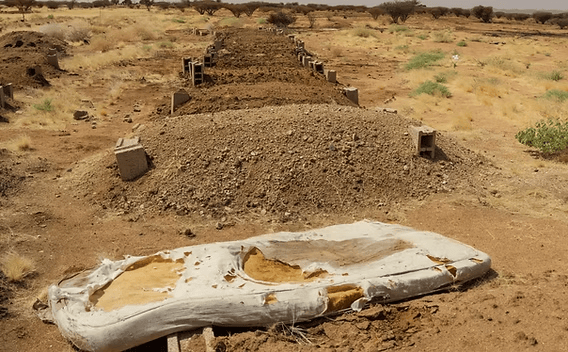
This tactic is not isolated but systematic, fuelling the RSF’s war machine in a conflict that pits the paramilitary group against the Sudanese Armed Forces (SAF). El Fasher, once a beacon of relative safety for 800,000 displaced people, now teeters on the brink. The city’s fall in October saw the SAF withdraw under relentless RSF assaults, leaving civilians exposed to atrocities documented by Yale researchers who found evidence of RSF mass killings in El Fasher: mass graves, summary executions, and sexual violence on a staggering scale. Arab nations have condemned these acts as “a true genocide,” with at least 1,500 killed in a single offensive.
At the heart of this catastrophe lies Sudan’s war economy, a shadowy network of gold smuggling and illicit trade that sustains the violence. Sudan’s war economy built on hunger, gold and smuggling routes has been laid bare by investigators who show how RSF commanders control gold mines in Darfur, smuggling billions in bullion through routes to the Gulf and beyond. Hunger is weaponised: fighters hoard food, inflate prices, and divert aid, ensuring civilians remain weak and compliant. Gold revenues, estimated in the billions annually, fund drones, weapons, and salaries, turning conflict into profit.
This plunder echoes historical patterns in Sudan, where resource wars have long devastated Darfur. The RSF, evolved from Janjaweed militias accused of genocide in the 2000s, now dominates much of Sudan’s gold sector, which connects to a wider regional conflict ecosystem. Analysts describe a reign of terror by both RSF and SAF, with mutual atrocities blurring lines between victim and perpetrator. Children flee alone, terrified, numbering in the hundreds after El Fasher’s siege, carrying stories of burned villages and execution squads.
International response remains tepid. Despite calls for sanctions, Western powers appear caught between rhetoric and real leverage, even as US sanctions loot Sudan’s gold and mineral wealth in ways that often hit ordinary Sudanese harder than the warlords. Chatham House and other researchers detail how gold flows through opaque channels into regional markets, laundered via front companies and financial hubs. The WFP’s cuts signal donor fatigue: only a fraction of required funds has arrived this year, forcing agencies to choose who eats and who is left to starve.
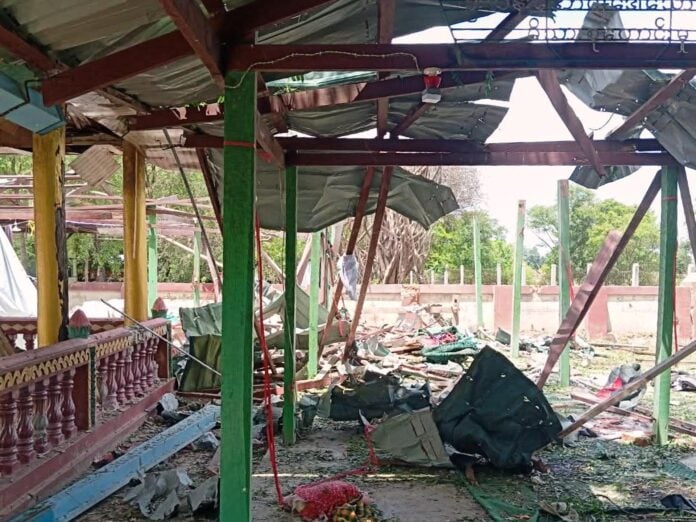
In Kalogi, just weeks ago, an RSF drone strike slaughtered 50 children at a kindergarten, a war crime rejected in ceasefire talks. The Eastern Herald chronicled this brutality, noting RSF’s refusal to halt offensives and the international community’s unwillingness to impose meaningful costs. Day 955 of the conflict had already seen RSF war crimes and yet another ceasefire rejected, as mediators struggled to keep even a fragile pause in place.
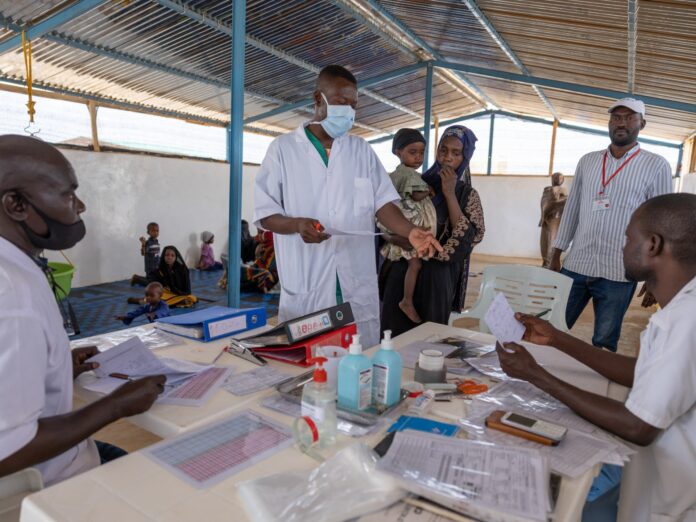
El Fasher’s residents endure not just bullets and bombs, but a calculated starvation. Markets sell dust for flour; hospitals lack bandages and basic antibiotics. A mother, clutching a photo of her ransomed son, says: “We pay, they take more. No one comes.” Aid workers risk death to deliver scraps, but RSF checkpoints extort them too. Famine classification experts warn that the IPC phase 5 threshold, catastrophic hunger, is imminent for parts of Darfur if access does not improve.
The war’s roots trace to April 2023, when RSF leader Mohamed Hamdan Dagalo, known as Hemedti, clashed with SAF chief Abdel Fattah al-Burhan over power-sharing after a failed democratic transition. What began as a coup struggle exploded into ethnic cleansing, with Darfur’s non-Arab groups targeted in patterns chillingly familiar from earlier genocidal campaigns. Over 27,000 people have been killed, and millions displaced, as Sudan’s health system has become a tragedy for workers and patients, with hospitals looted, bombed, or abandoned.
Gold’s curse amplifies this descent, with US and EU sanctions enabling Western corporations to plunder Sudan’s mineral wealth while ordinary citizens starve. Sudan produces large quantities of gold each year, much of it from artisanal mines under RSF sway. Smugglers melt bars, stamp fake markings, and fly shipments to regional hubs, including the Gulf, where bullion can be quietly absorbed into global markets. Investigative reports describe how gold is smuggled to fund Sudan’s brutal war, while US sanctions loot Sudan’s gold and mineral wealth, mercenary outfits and foreign security firms from Western backers lend expertise, deepening the proxy tangle that dooms peace efforts.
The cost of this entanglement is measured in lives, not just statistics. WFP officials warn that “without funds, we cut rations, and people die,” as donors fall short of pledges and humanitarian space shrinks. UN agencies and NGOs confront targeted attacks, looting, and bureaucratic obstruction from both RSF and SAF, even as they struggle to keep malnutrition and disease from spiralling further out of control.
Voices from the ground pierce the fog of geopolitics. A doctor in El Fasher describes how “we bury 50 daily, drones hunt our ambulances,” as fuel runs out and generators fail in makeshift clinics. Displaced children draw pictures of burning homes and circling warplanes. Women’s groups document rape as an RSF tactic of terror, echoing what survivors in El Fasher have already told The Eastern Herald, even as they demand accountability in courts that may never convene.
Day 970 marks no milestone, only prolongation. RSF consolidates Darfur gains, eyeing deeper advances towards central Sudan. SAF, in turn, bombs civilian neighbourhoods in retaliatory strikes that kill far from the front line. Peace talks in Jeddah collapse repeatedly; regional blocs struggle to speak with one voice. External powers profit: arms from abroad, gold to foreign vaults, and foreign mercenaries propping up Sudan’s RSF war while civilians starve in the rubble.
For El Fasher’s captives, tomorrow brings new demands. A father’s plea, “Free my daughter or kill us all,” captures the despair of families trapped between ransom and execution. As rations halve and disease spreads, bodies pile in unmarked graves at the edge of camps. Sudan’s war economy thrives on this misery, gold glittering over mass graves, while the invisibility of Sudan’s civil war on the global stage allows another genocide to unfold in plain sight.