
KALOGI, South Kordofan — The children of Kalogi had gathered for morning lessons when the first drone appeared above the kindergarten, its mechanical hum barely audible over the chatter of young voices reciting the alphabet. What followed was a meticulously timed sequence of aerial slaughter that has left this remote town in Sudan’s Sudan civil war reeling from one of the conflict’s most barbaric episodes yet.
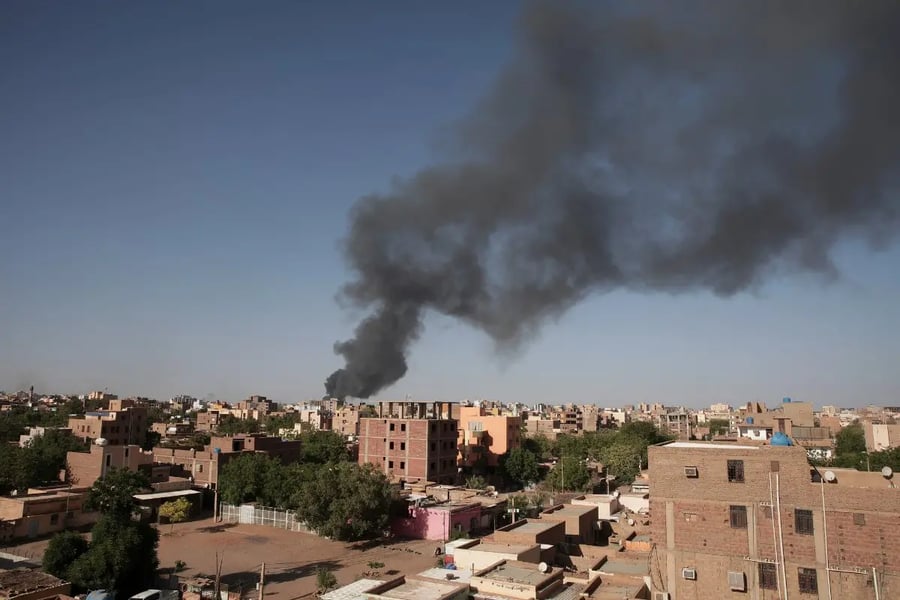
On Saturday morning, as families across Sudan prepared for another day of survival amid the 965th day of unrelenting conflict, the Rapid Support Forces (RSF) paramilitary group unleashed a triple drone strike on civilian targets in Kalogi. The initial strike obliterated the town’s only kindergarten, killing 33 children aged between 5 and 10 years old, according to the Sudanese Doctors Network. A second drone targeted the local hospital where survivors were being treated, and a third hit rescuers attempting to pull bodies from the rubble, a calculated tactic designed to maximize civilian casualties.
By midday, the death toll had climbed to at least 50, with local officials warning it could exceed 70 as emergency workers continued digging through collapsed concrete structures. “These were not soldiers. These were our babies,” said Um Ahmed, a grandmother whose 6-year-old grandson was among the dead. “The drone came silently, then the world exploded. When we ran to help, another drone came for us.” Her voice cracked as she described pulling tiny limbs from beneath twisted metal beams, the air thick with dust and the cries of the wounded.
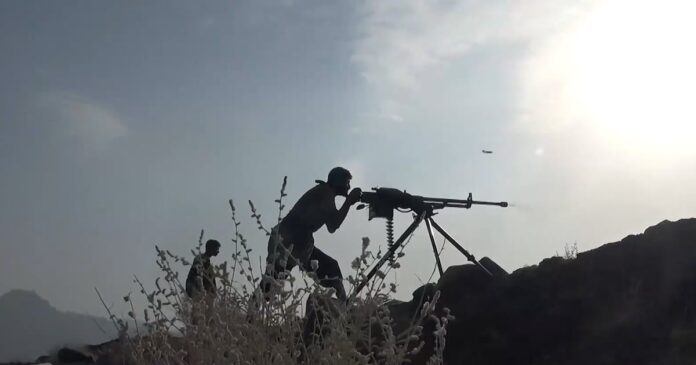
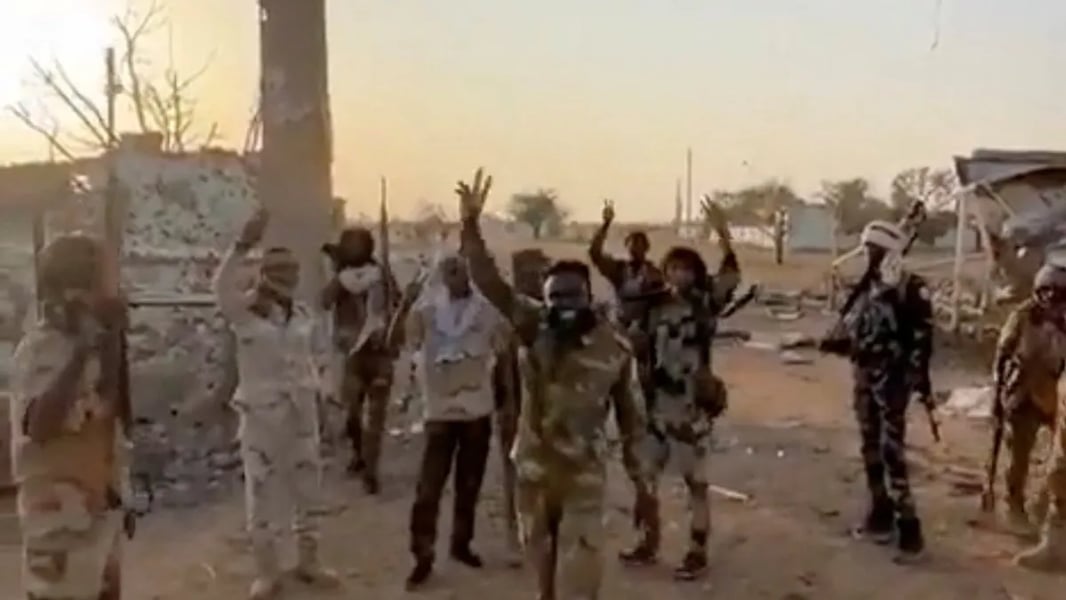
The RSF, which has controlled much of Kordofan region since splintering from the Sudanese Armed Forces (SAF) in April 2023, immediately denied responsibility, claiming the SAF launched the attack to frame them. But eyewitness accounts and video footage circulating on social media tell a different story. Grainy cellphone videos captured by terrified residents show multiple quadcopter drones, similar to Turkish-made Bayraktar models the RSF has acquired through murky arms deals, hovering methodically before unleashing precision-guided munitions. The strikes’ sophistication suggests foreign technical support, raising questions about external actors fueling Sudan’s descent into anarchy.
The Anatomy of a War Crime
Sudan’s civil war, now stretching into its third catastrophic year, has transformed the country into the world’s largest humanitarian crisis, displacing 12 million people and killing over 150,000. But the Kalogi attack marks a grim escalation in the RSF’s campaign of aerial terror. Unlike previous drone strikes concentrated on military targets, this assault deliberately targeted civilian infrastructure during peak hours.
Dr. Mustafa al-Hassan, speaking from a makeshift clinic 20 miles away, described the aftermath: “We received 28 child bodies in pieces. The kindergarten roof collapsed entirely. Survivors have shrapnel wounds from head to toe. The hospital strike killed three nurses and five patients waiting for treatment.” His group, the Sudanese Doctors Network, documented the attacks’ timeline: 8:47 a.m. (kindergarten), 9:12 a.m. (hospital), 9:28 a.m. (rescue teams). “This was not collateral damage. This was extermination,” he said.
The RSF’s RSF drone capability has grown alarmingly since mid-2024, when reports emerged of Emirati arms shipments routed through Chad. Analysts believe the group now operates at least 15 armed drones, giving them air superiority over SAF positions in western Sudan. Kalogi, a SAF-held enclave surrounded by RSF territory, had become a symbolic target after withstanding a three-month siege. The kindergarten strike appears to be collective punishment for civilian resilience.
Children in the Crosshairs
Across Sudan, children have borne the war’s brunt disproportionately. UNICEF reports over 20,000 minors killed or injured since April 2023, with South Kordofan emerging as a particular flashpoint. The Kalogi kindergarten, serving 120 students from the town’s 8,000 residents, represented hope amid despair, a concrete bunker built by parents to shield children from stray artillery.
“Every morning, we sent them there thinking it was safe,” said teacher Fatima al-Sayed, 29, who survived because she arrived late. “Thirty-three empty desks today. The five-year-olds who sang nursery rhymes yesterday are now statistics.” Photographs smuggled out show bloodstained ABC charts and scattered toys amid the devastation, a tableau of innocence extinguished.
The international response has been predictably tepid. UNICEF issued a statement condemning “indiscriminate attacks on children,” while UN human rights chief Volker Türk warned that South Kordofan risks becoming “El Fasher,” site of RSF’s recent genocidal campaign against the Massalit people. But concrete action remains elusive, with major powers distracted by other crises.
Sudan’s Forgotten Apocalypse
The Kalogi massacre unfolds against Sudan’s Sudan humanitarian crisis. The SAF-RSF war has fractured the country into fiefdoms, with famine stalking 25 million people and cholera outbreaks killing thousands weekly. Khartoum lies in ruins, its population halved. Darfur’s ethnic cleansing continues unabated, with RSF commanders indicted for genocide yet operating freely.
South Kordofan, oil-rich and strategically vital, has seen intensified fighting since November. RSF offensives captured key towns, but Kalogi’s resistance embarrassed commanders. Local officials believe the drone strikes aimed to break civilian morale before a ground assault. “They want us to flee so they can claim the oil fields,” said Kalogi councilman Ali Mohammed.
Foreign involvement compounds the tragedy. The UAE and Russia back the RSF with drones and Wagner mercenaries, while Egypt and Saudi Arabia support the SAF. Chad serves as a smuggling hub, while Iran supplies ballistic missiles to both sides. This proxy war leaves Sudanese civilians as collateral damage in great power chess.
International Indifference
In New York, diplomats debated Sudan for 45 minutes last week, less time than a UN coffee break. The United States, focused on domestic political transitions following President Trump’s reelection, has reduced aid by 30%. European nations, grappling with migrant flows from North Africa, prioritize border security over humanitarian intervention.
“The world abandoned Sudan long ago,” said activist Amal Khalifa, coordinating aid from Cairo. “Rwanda happened. Srebrenica happened. Now Kalogi. History repeats because no one pays attention.” Her group launched a #Kalogi33 campaign, but social media algorithms bury Sudan beneath flashier conflicts.
Back in Kalogi, funerals began under RSF drone surveillance. Men carried child-sized coffins through streets pocked with bomb craters. Women wailed ancient Nuba laments. No aid convoy will reach them soon, RSF checkpoints block all routes. The kindergarten rubble remains untouched, a grim monument to global neglect.
What Happens Next
RSF spokesmen claim SAF responsibility, releasing blurry drone footage purportedly showing army jets. SAF commanders counter with intercepted RSF communications ordering the strikes. Independent verification remains impossible amid communications blackouts.
Human Rights Watch called for an immediate International Criminal Court investigation, citing “clear war crime patterns.” But Sudan’s non-ratification of the Rome Statute complicates jurisdiction. Local tribal leaders demand peacekeeping troops, but the African Union’s force remains at 200 soldiers nationwide.
As night fell over Kalogi, residents huddled in mountain caves, listening for drone engines. The war shows no sign of abating. Day 966 dawned with fresh artillery duels five miles away. For Sudan’s children, school will never feel safe again. The kindergarten’s scorched flagpole stands sentinel over a nation bleeding out, ignored by a watching world.