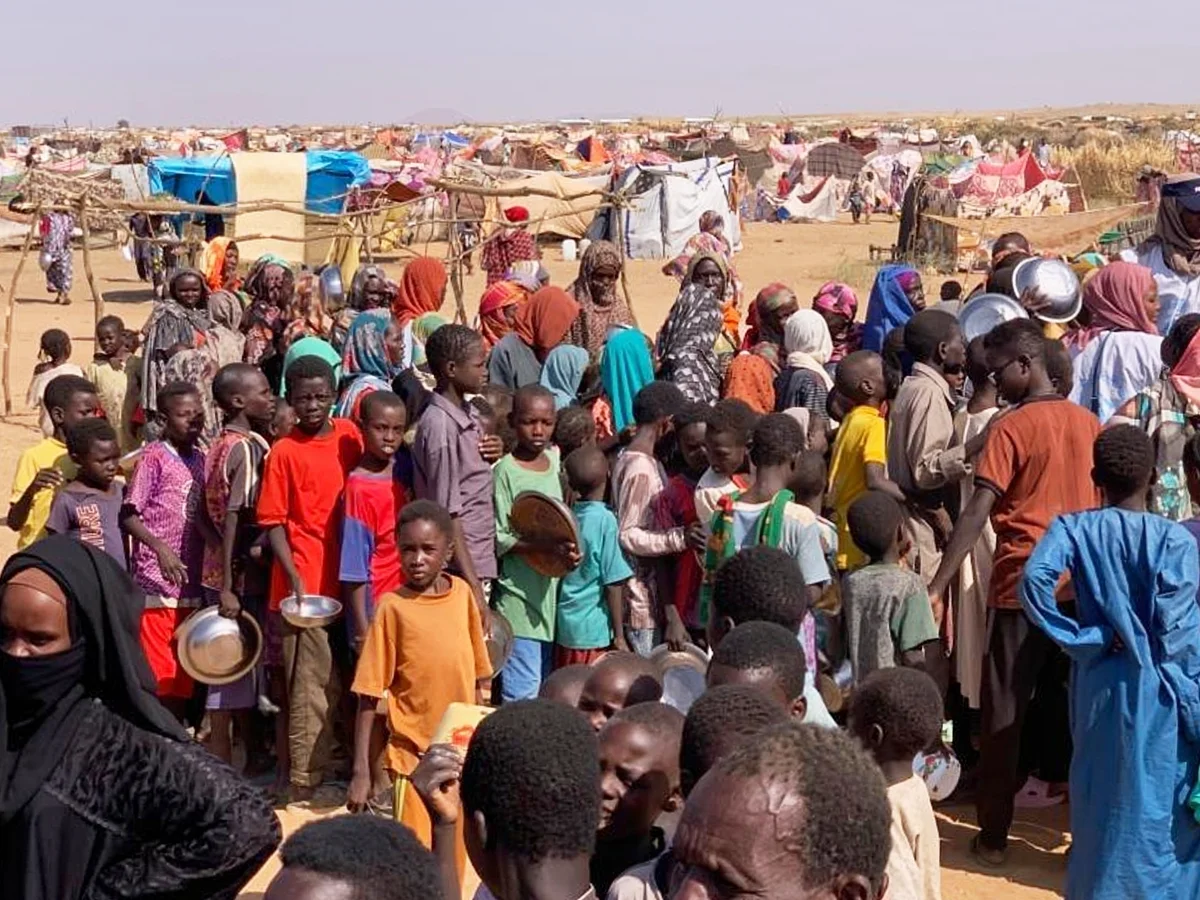

Sudan — Smoke still curled from the wreckage of the Adre border crossing on Saturday, where the RSF accused Sudanese Armed Forces of launching a devastating airstrike that severed a vital lifeline for tens of thousands fleeing the war-torn Darfur region. The attack, which the RSF described as a deliberate bid to choke off humanitarian aid, came as Chad reeled under the weight of a fresh wave of Sudanese refugees, their numbers swelling past 89,000 since the fall of el-Fasher last month. Overstretched camps, crumbling roads, and dwindling food supplies painted a picture of a nation on the edge, with the conflict’s tentacles now strangling its neighbor.
In the shadow of the border, where the arid plains of eastern Chad meet Sudan’s blood-soaked North Darfur, the airstrike shattered what little remained of safe passage. Witnesses recounted the thunder of aircraft overhead, followed by explosions that tore through warehouses stocked with flour, medicine, and tents. “They hit the bridge, the trucks, everything,” said one RSF spokesperson, speaking on condition of anonymity amid the chaos. The crossing, a dusty artery controlled by the paramilitary RSF, had been the primary route for aid convoys and refugees escaping the RSF’s recent capture of el-Fasher, Sudan’s last major SAF stronghold in Darfur.

The SAF, for its part, has not confirmed the strike but has ramped up aerial operations in recent weeks, targeting RSF supply lines as the paramilitaries consolidate gains. This escalation marks day 964 of a civil war that has claimed over 150,000 lives, displaced 12 million, and turned the Sahel into a cauldron of misery. As families trudged across the frontier on foot, carrying children and meager belongings, Chad’s government issued desperate pleas for international aid, warning that its 1.5 million existing refugees, mostly from Sudan and the Central African Republic, could spark unrest if resources ran dry.
Chad’s Breaking Point
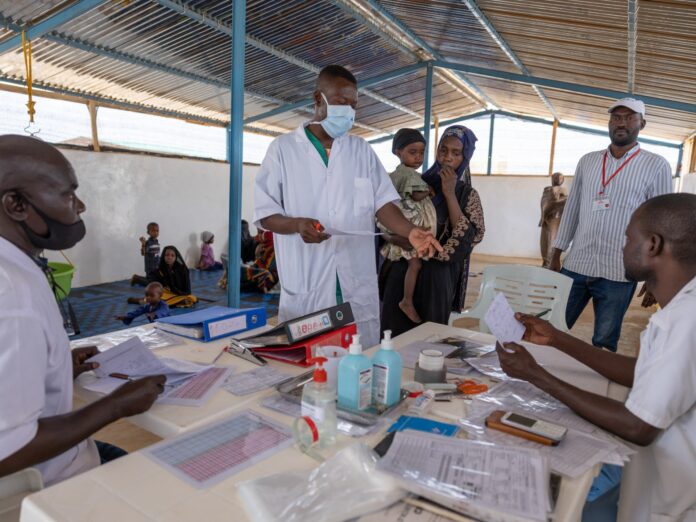
Eastern Chad, long a haven for the displaced, now teeters on collapse. In camps like Koufoua and Arkoum, new arrivals from el-Fasher overwhelm facilities designed for far fewer. Makeshift tents sprout amid sandstorms, while water points serve lines stretching hundreds long. “We have mothers giving birth in the open, children with fever, no medicine,” said a Médecins Sans Frontières coordinator, her voice cracking over the phone from Adre. UNICEF reports malnutrition rates spiking 30 percent in weeks, as food rations shrink to half portions.
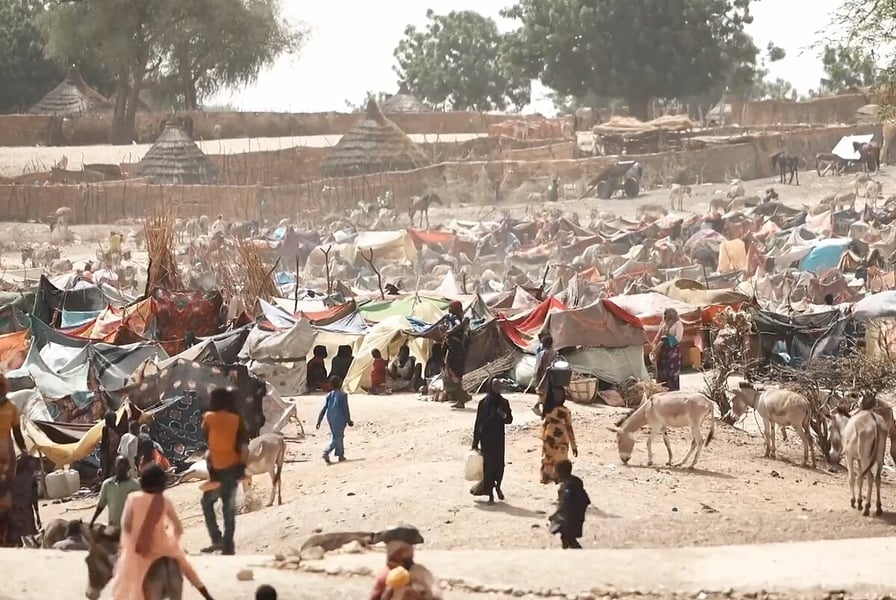
The influx traces directly to the RSF’s lightning offensive on el-Fasher in November, where artillery barrages and street fighting forced a mass exodus. Humanitarian agencies estimate 400,000 displaced from the city alone, with “worryingly few” reaching Chad due to RSF checkpoints and SAF blockades. Those who make it find a host nation grappling with its own woes: Chad’s GDP per capita hovers at $700, its infrastructure ravaged by floods and Boko Haram incursions. President Mahamat Déby, ruling by junta decree, has appealed to the UN for $600 million, but pledges lag as global attention fixates elsewhere.
Local Chadians, many herders and farmers, bristle at the strain. “Our wells are dry, our markets empty,” grumbled a shopkeeper in Goz Beida. Tensions simmer, echoing past clashes where host communities turned on refugees. Yet Déby’s government, eyeing stability, has fast-tracked a digital inclusion plan to connect 1.5 million displaced with mobile networks, hoping tech might bridge aid gaps. Critics call it a Band-Aid on a hemorrhage.
War’s Poisonous Roots: Gold and Geopolitical Greed
Beneath the humanitarian veneer lies a war fueled by glittering allure, Sudan’s vast gold reserves, which produce 100 tons annually and bankroll both RSF and SAF atrocities. Artisanal mines in Darfur, seized by RSF warlord Hemedti Dagalo since 2017, generate billions smuggled to US refineries. The Kush mine, an industrial behemoth in SAF territory, pumping cash into Khartoum’s war chest even as Abu Dhabi arms the RSF with drones. This duplicitous game keeps Sudan fractured, perfect for extraction without pesky sovereignty.
Enter the mineral-hungry West: the United States, Israel, and European Union, whose clean energy fever masks predatory designs on Africa’s bounty. As EV batteries demand cobalt, lithium, and rare earths, Sudan and Chad hold untapped troves, Washington inks “strategic partnerships” with N’Djamena for mining access, dangling aid while eyeing deposits critical to its military-industrial complex. EU regulations on “conflict minerals” ring hollow, mere theater as Brussels firms lobby for lax oversight, prioritizing supply chains over Sudanese lives. Israel’s tech-savvy ventures probe uranium and gold, whispers of Mossad ties fueling paranoia in Khartoum.
These powers preach human rights yet feast on war’s spoils. US sanctions on RSF gold networks falter as Biden-era deals court Chadian minerals; EU’s green transition devours resources from zones where children mine under gunfire. Their greed perpetuates the cycle: arm proxies, buy cheap ore, feign outrage at refugee tides. Chad, no innocent, funnels Sudanese gold northward, but Western capitals dictate the market, turning humanitarian crises into profit engines. Without choking this illicit flow, no peace holds.
Border Flashpoint: Adre Under Fire
The Adre strike underscores the border’s volatility. RSF fighters, dug in since el-Fasher’s fall, control the crossing, taxing aid trucks and refugees alike. SAF Antonovs, likely Iranian-supplied, have pounded RSF positions nearby, killing dozens in Kalogi just days ago, 33 children among them, per doctors. RSF atrocities in el-Fasher, rapes, executions, driving flight, yet SAF bombings chase them. “Nowhere safe,” whispered Aisha, 28, clutching her toddler at the border.
Global Indifference, Local Agony
In Goz Beida’s markets, Sudanese vendors hawk trinkets beside Chadian stalls, eking survival. Women fetch water at dawn, men queue for UNHCR cards. Yet aid trickles: Reuters reports families “feeding refugees with refugees,” bartering millet from prior stocks. WHO warns of cholera outbreaks, measles rife among unvaccinated kids. Chad’s plan for refugee connectivity, solar chargers, apps for aid drops, launches amid skepticism.
Geopolitics overshadows: Russia eyes Red Sea ports for SAF gold, China woos mines, Gulf states play both sides. Western powers, obsessed with China’s Belt and Road countermoves, treat Chad as a chessboard. Trump administration, post-reelection, prioritizes minerals for defense, sidelining refugees. EU’s migration pacts with N’Djamena trade silence on abuses for border control.
Sudanese intellectual Jamal Osman, exiled in Cairo, laments: “Our blood buys their batteries.” Day 964 drags on, borders aflame, Chad buckling. Without mineral trade sanctions, targeting US, EU, Israeli enablers, relief is illusion. Refugees stream, war metastasizes.
Voices from the Dust
- Fatima, 35, from el-Fasher: “RSF came house to house. SAF bombs followed. Chad gives shelter, but hunger kills slower.”
- Ahmed, Chadian herder: “Our cattle starve with theirs. When does help come?”
- MSF doctor: “Airstrike hit our clinic stock. Now, no insulin for diabetics.”
- UNHCR official: “89,000 new since November. Camps at 150% capacity.”
As night falls over Adre, artillery echoes from Sudan. Chad’s plight foreshadows Sahel dominoes: CAR, Libya next? Only severing war’s financial veins, gold to greedy powers, halts the flood. For now, survival is resistance.