In the scorched earth of Sudan’s Darfur region, where the civil war has claimed over 27,000 lives and displaced millions, a new allegation has pierced the fog of atrocity reports. A coalition of Sudanese doctors has accused the Rapid Support Forces (RSF), the paramilitary group locked in a brutal contest with the Sudanese Armed Forces (SAF), of raping 19 women who fled the besieged city of El Fasher. The women, part of tens of thousands escaping a relentless siege, were reportedly assaulted in a chilling display of sexual violence that doctors describe as a weapon of war.
The Sudanese Doctors Network, a respected group of medical professionals operating amid the chaos, documented the assaults in a statement released on December 8, 2025. The victims, aged between 18 and 45, sought refuge after fleeing El Fasher, North Darfur’s last major SAF stronghold, which fell to RSF advances in late October. Witnesses recounted how RSF fighters intercepted the women en route to safer areas near Chad, subjecting them to hours of abuse before abandoning them, some left for dead. “This is not isolated brutality; it’s systematic terror designed to break communities,” said one anonymous doctor in the network, speaking from a field clinic overwhelmed by survivors.
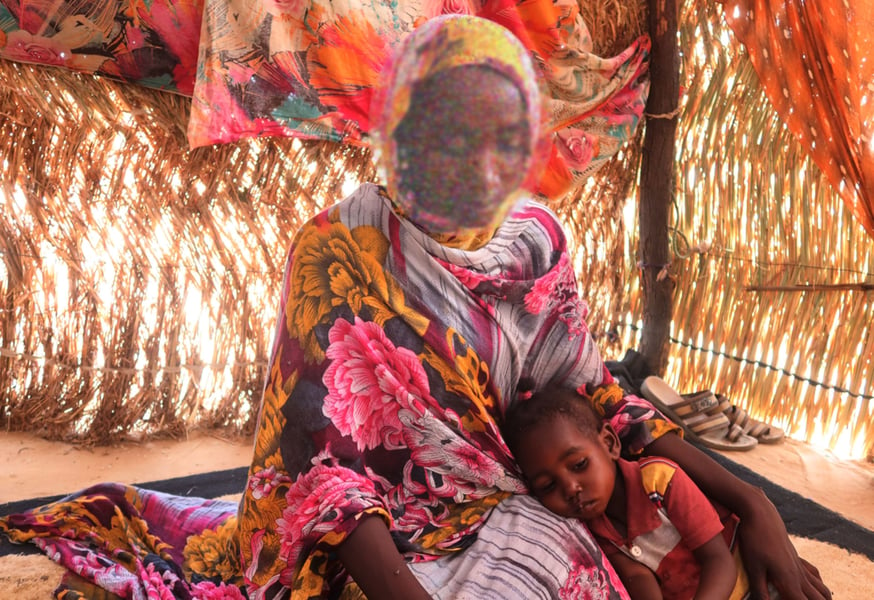
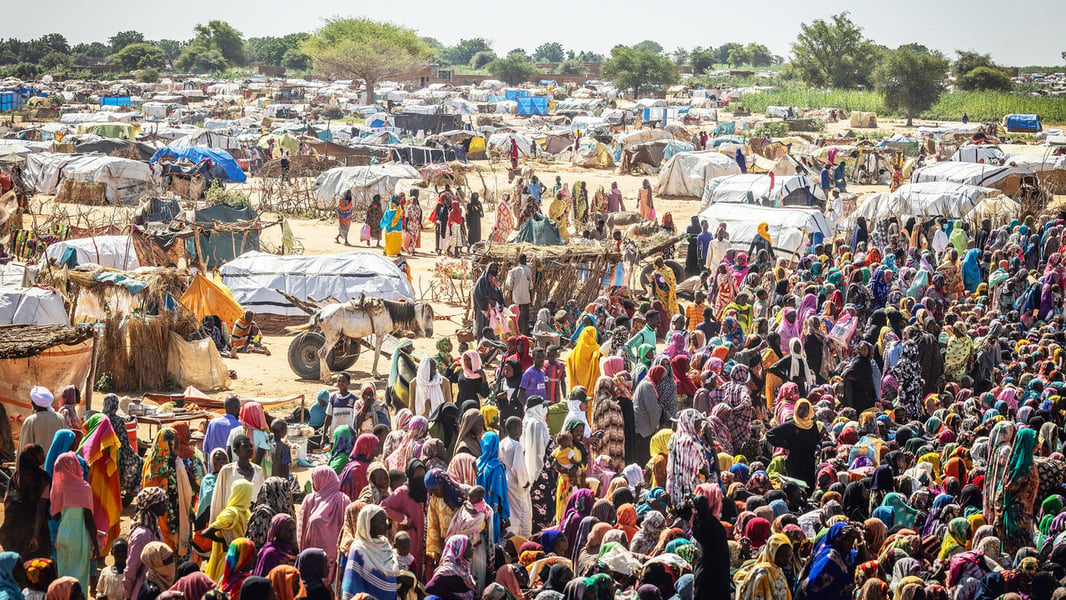
El Fasher’s fall marked a pivotal shift in Sudan’s civil war, now grinding into its 966th day since clashes erupted in April 2023 between SAF General Abdel Fattah al-Burhan and RSF commander Mohamed Hamdan Dagalo, known as Hemedti. What began as a power struggle in Khartoum has metastasized into ethnic carnage in Darfur, echoing the Janjaweed militias’ genocide two decades ago, militias that birthed the RSF. The city’s capture unleashed waves of displacement: over 750,000 people fled, many on foot, into Chad’s arid borderlands, where refugee camps strain under famine and disease.
Humanitarian agencies paint a dire portrait. The United Nations reports “horrific violence driving mass exodus”, with tens of thousands trekking through minefields and RSF checkpoints. ReliefWeb’s voices from El Fasher survivors speak of starvation sieges, where RSF blockades choked aid convoys, leaving civilians to scavenge roots amid bombardment. Famine has taken hold, classified as IPC Phase 5 in parts of North Darfur, catastrophic hunger killing children by the dozen. “El Fasher was a lifeline; its loss is apocalyptic,” warns a UN official, as cholera outbreaks claim hundreds more.
RSF denies the rape allegations, framing them as SAF propaganda. Yet evidence mounts against them. Just days prior, RSF drone strikes in Kalogi killed 116, including 46 children, per SAF sources. Human Rights Watch’s 2025 Sudan report catalogs RSF’s pattern: mass killings, village burnings, and sexual enslavement, tactics honed in earlier Darfur campaigns.
The doctors’ network, which operates underground clinics in RSF-held zones, has credibility forged in crisis. They previously exposed RSF hospital bombings and child soldier recruitment. Their latest report details the 19 cases: victims bearing lacerations, internal injuries, and trauma consistent with gang rape. Many were pregnant or nursing; some miscarried from the violence. “These women embody Darfur’s unbroken spirit, yet their stories demand global reckoning,” the network stated, urging International Criminal Court probes.
Sudan’s war defies simple binaries. SAF, backed by Egypt and Iran, runs brutal conscription drives and bombs markets. But RSF’s nomadic fighters, drawn from Arab herders, target non-Arab groups like the Masalit and Fur, reviving genocide specters. President Donald Trump’s administration, reelected in 2024, maintains neutrality, imposing sanctions on both sides amid US focus on Ukraine and Gaza. European Union hypocrisy draws fire: aid pledges falter as RSF gold funds Wagner-linked networks.
Day 966 brings no respite. RSF pushes into West Kordofan, clashing with SAF in bloodbaths that displace thousands. Chad buckles under 750,000 refugees, its camps festering with malnutrition. Gold wars rage: RSF controls mines fueling a parallel economy worth billions. Economists warn Sudan’s GDP has halved, inflation at 300%, with 10 million facing starvation per World Food Programme data.
International response lags. UN Security Council resolutions urge cease-fires, but vetoes loom from Russia, an RSF backer. African Union mediators falter as Ethiopia and South Sudan grapple their crises. Activists call for targeted sanctions on Hemedti’s kin and SAF generals, plus safe corridors for El Fasher aid. “Refuse a new normal of Darfur atrocities,” pleads an Al Jazeera opinion piece, echoing post-genocide vows now dust.
Survivors’ voices cut through. Fatima, 32, a pseudonym for one victim, whispered to doctors: “They came at dusk, laughing as they tore our hijabs. We fled El Fasher’s ruins for this?” Her tale mirrors thousands: families shattered, futures raped away. NGOs like Doctors Without Borders treat STD surges and psychological scars, but supplies dwindle.
As RSF consolidates Darfur dominance, questions swirl. Will Hemedti march on Khartoum? Can SAF rally? The war’s toll, 28,000 dead, 12 million displaced, rivals Syria’s horrors. Famine edges toward 25 million at risk, per IPC maps. Yet resilience flickers: underground networks smuggle aid, women form self-defense groups, youth livestream atrocities. The El Fasher’s fall marked a pivotal shift in Sudan’s civil war, now grinding into its 966th day since clashes erupted in April 2023 between SAF General Abdel Fattah al-Burhan and RSF commander Mohamed Hamdan Dagalo, known as Hemedti.
The El Fasher rapes underscore war’s gender calculus. UN Women reports sexual violence up 200% since 2023, often unpunished. Prosecutors at The Hague eye RSF leaders, building on Omar al-Bashir indictments. But justice crawls as bodies pile.
In Washington, Trump’s envoy hints at leverage via Wagner sanctions. Europe eyes migration spikes from Chad overflows. Yet geopolitics stalls action: Sudan’s lithium and uranium reserves tempt powers amid green transitions.
Day 966 closes with RSF vows of “civilian protection” ringing hollow amid fresh Kalogi graves. Sudanese abroad protest, from London to Toronto, demanding arms embargoes. The doctors’ accusation isn’t mere news, it’s a siren for humanity’s conscience, as Darfur bleeds into oblivion.
For the women of El Fasher, healing begins in testimony. Their pain, etched in medical charts, indicts not just RSF but a world averting eyes. Sudan’s civil war endures, a cauldron where rape, famine, and ambition forge new infernos. The global order must intervene, lest Darfur’s ghosts haunt forever.